Last updated November 17, 2026
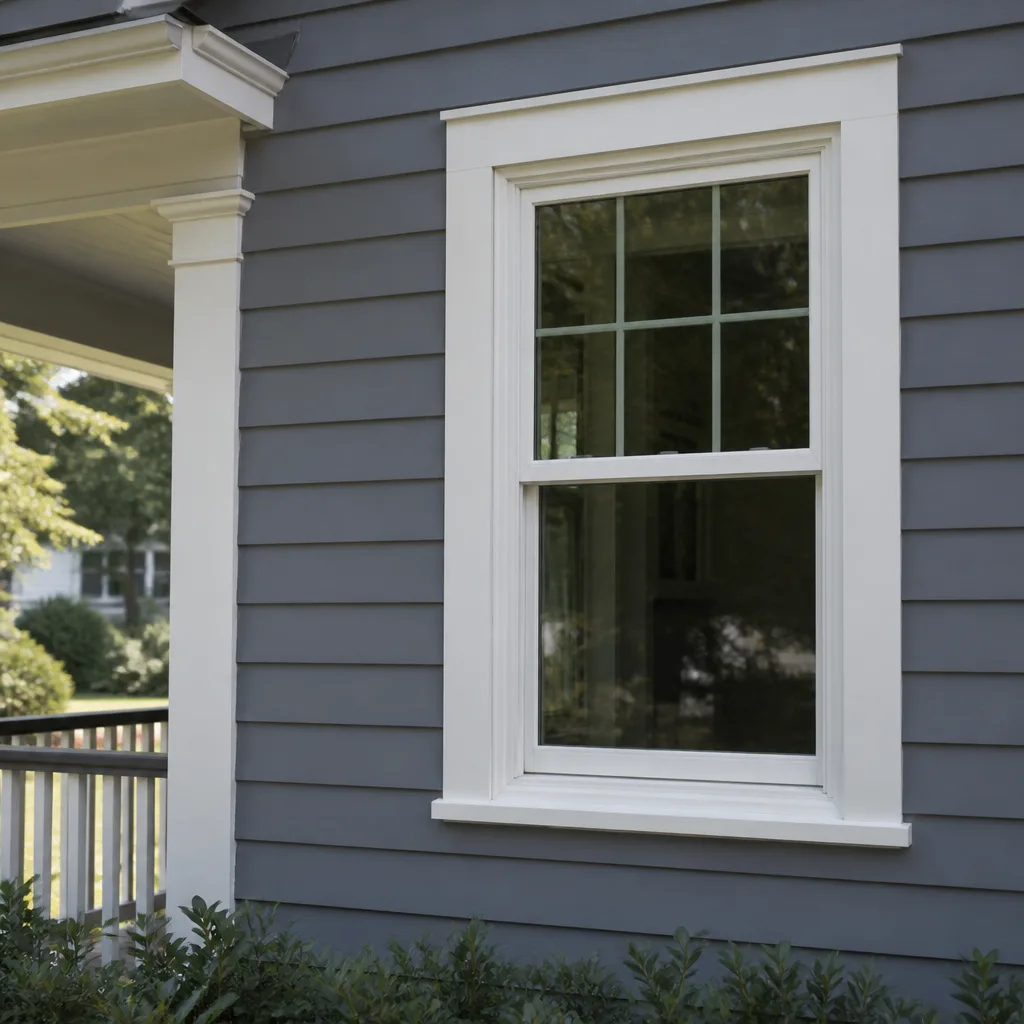 Single hung
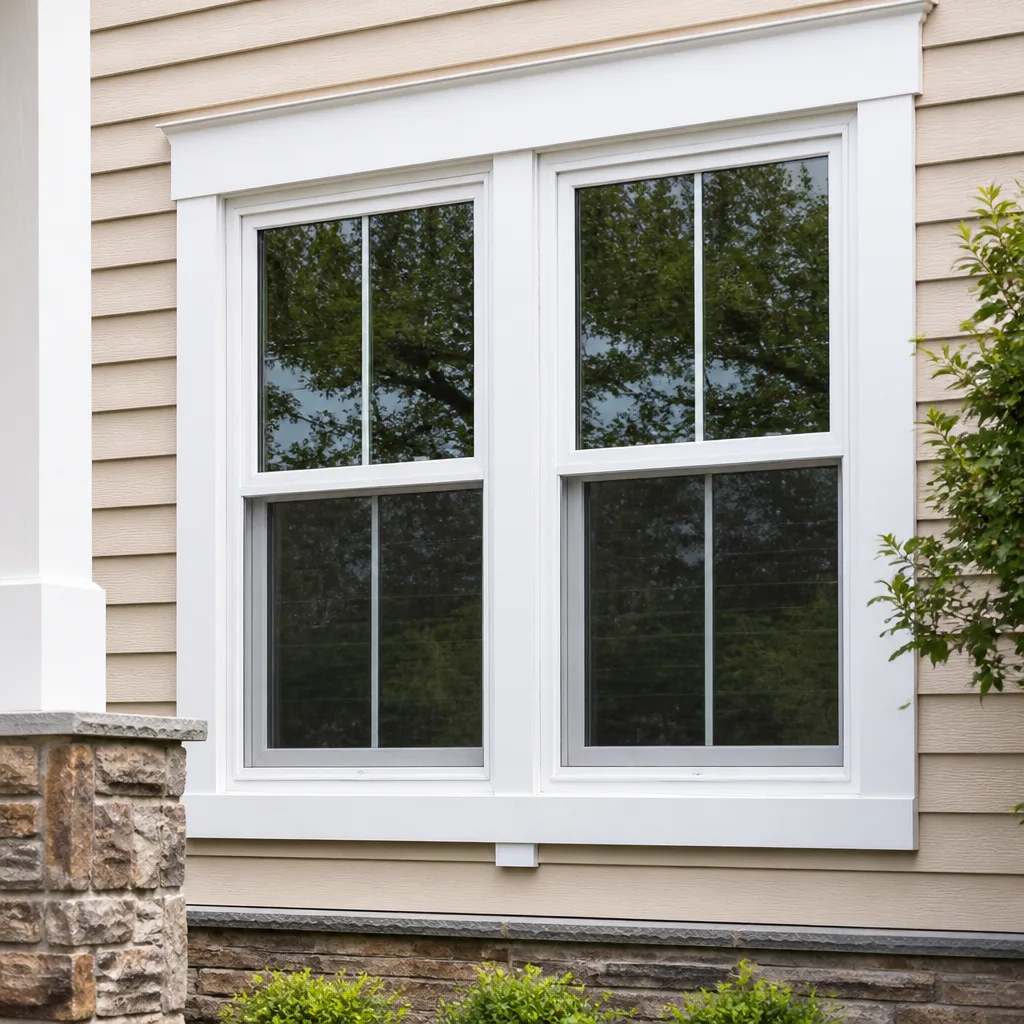 Double hung
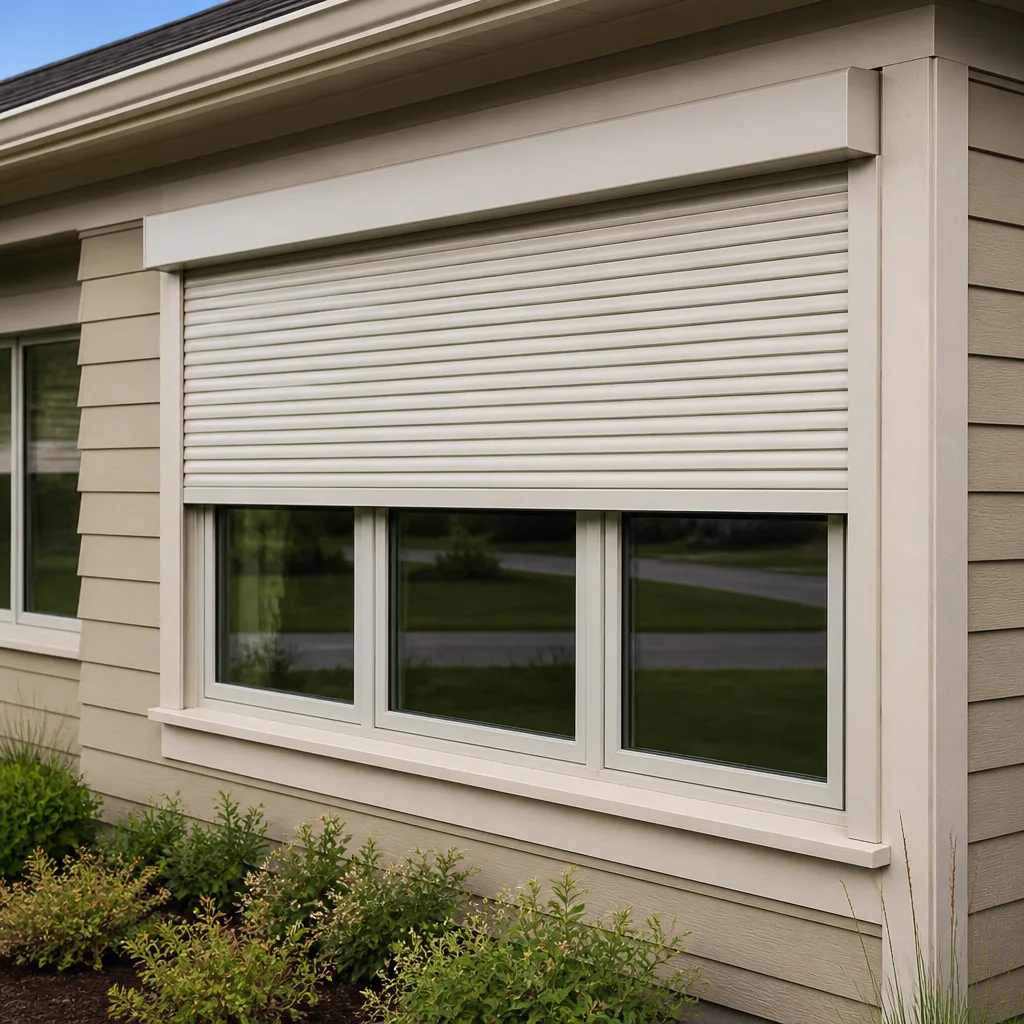 Horizontal roller
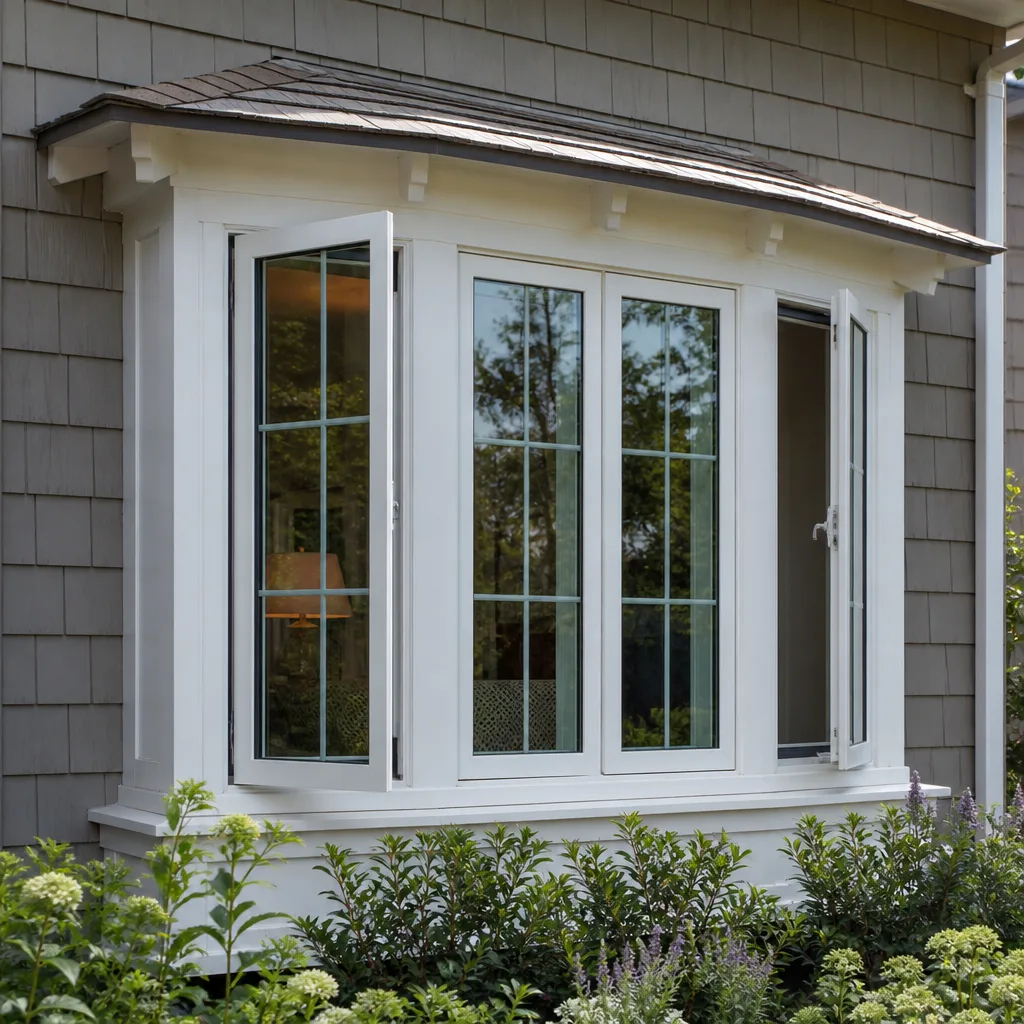 Casement
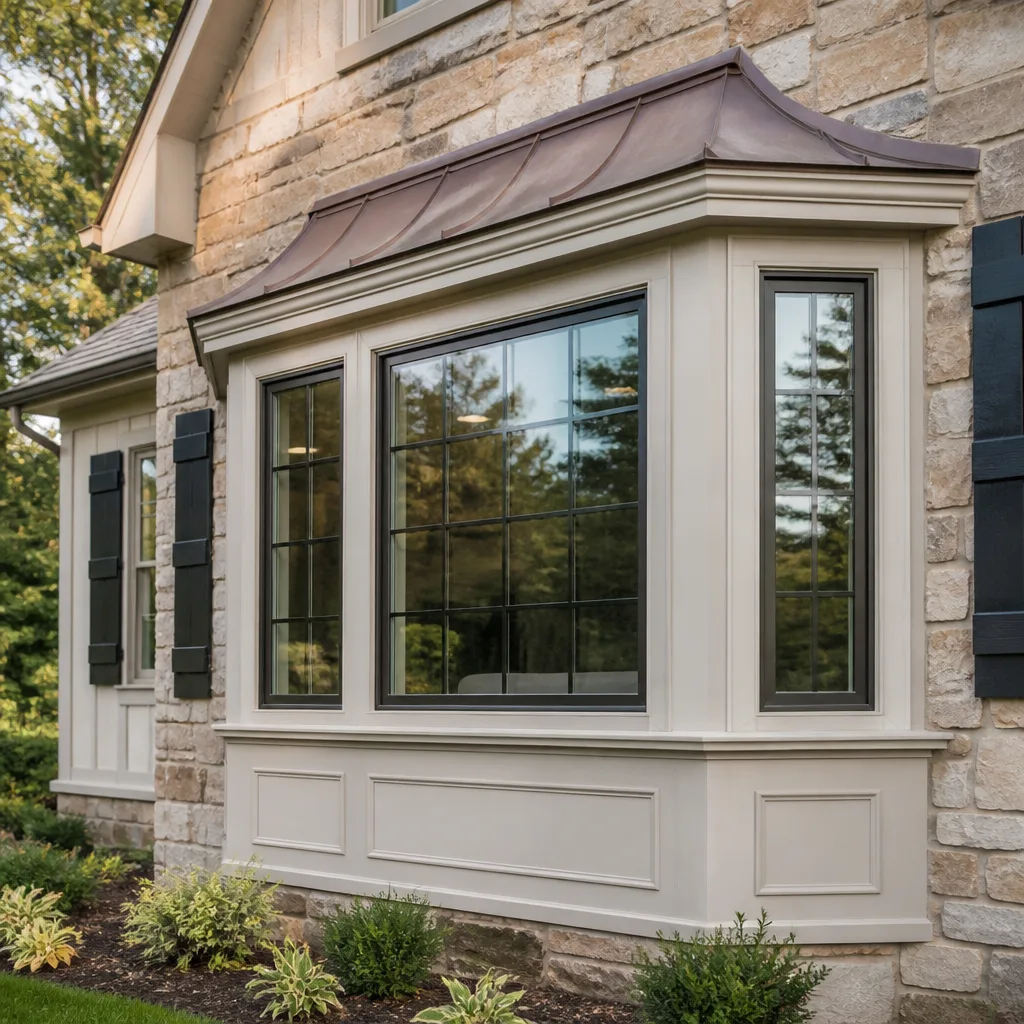 Bay & bow
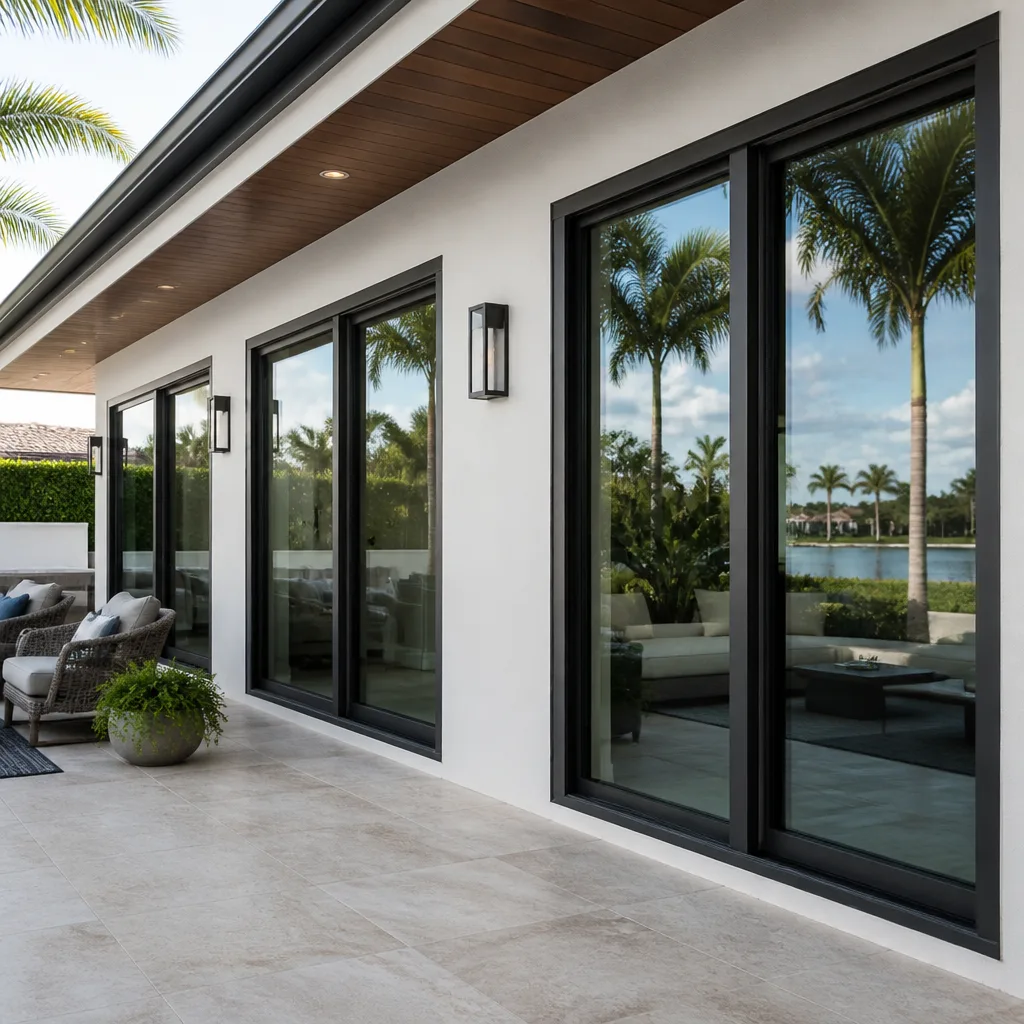
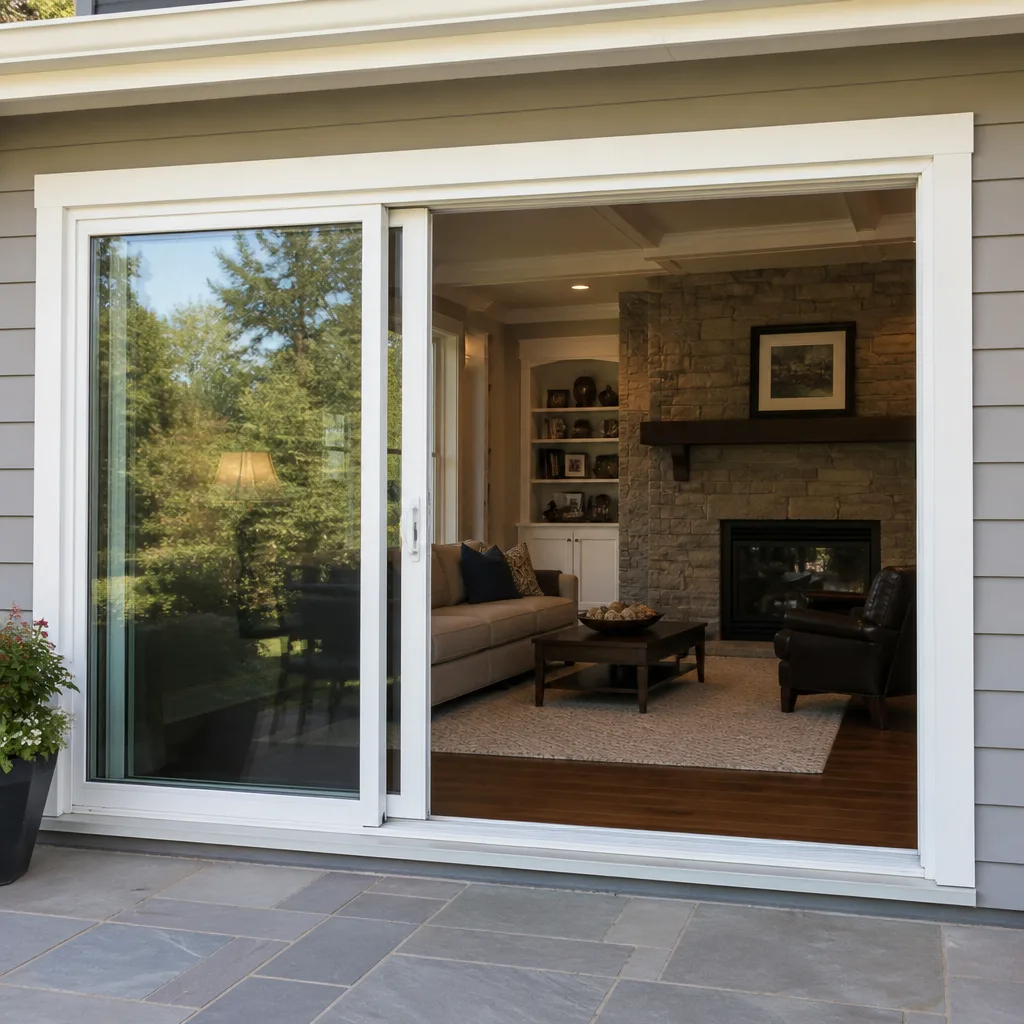 Sliding glass doors
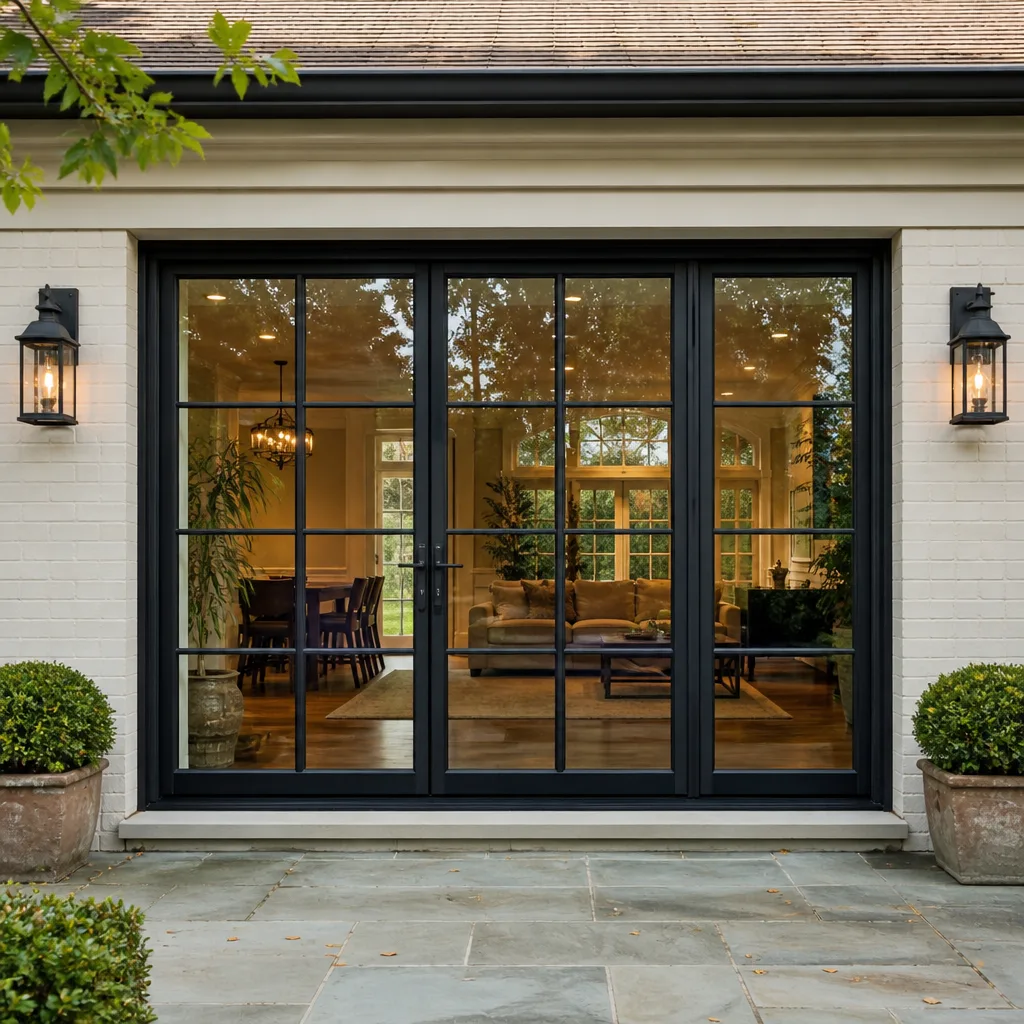
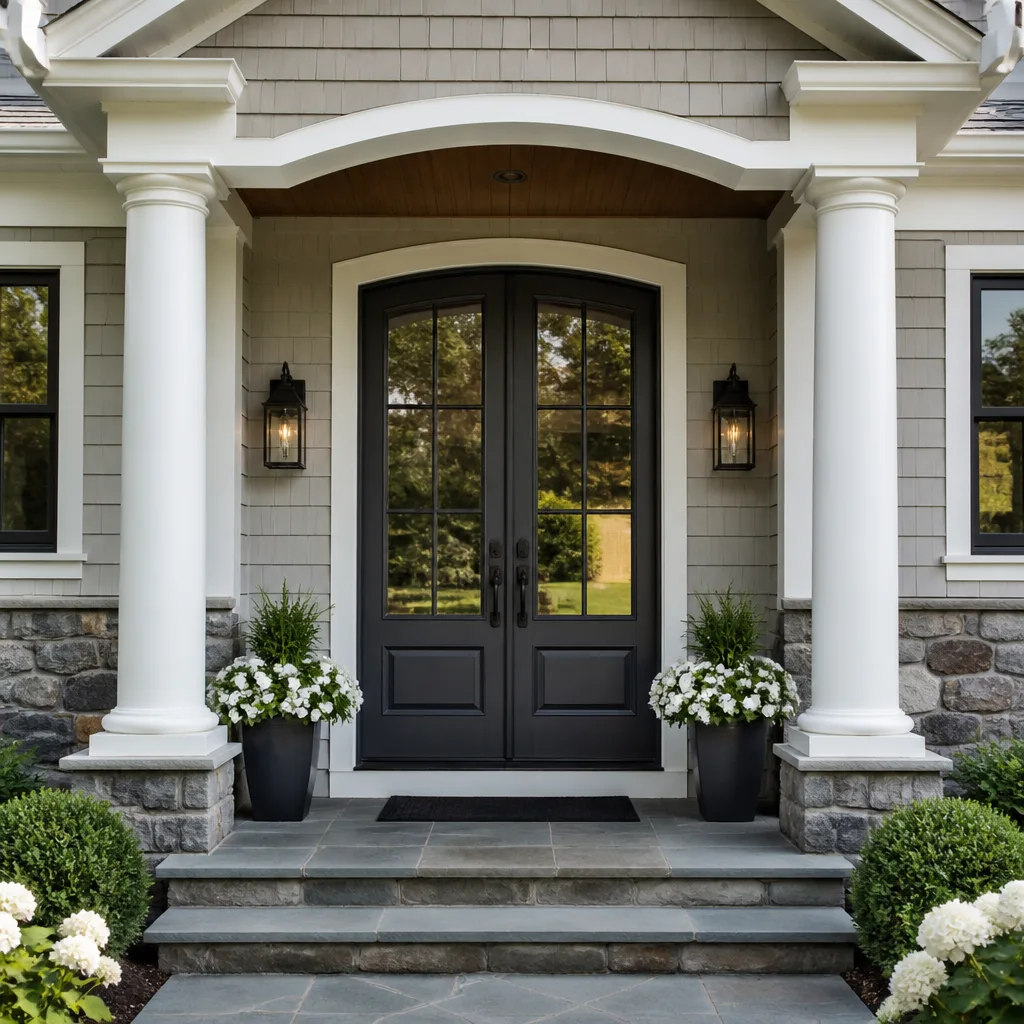 Entry doors
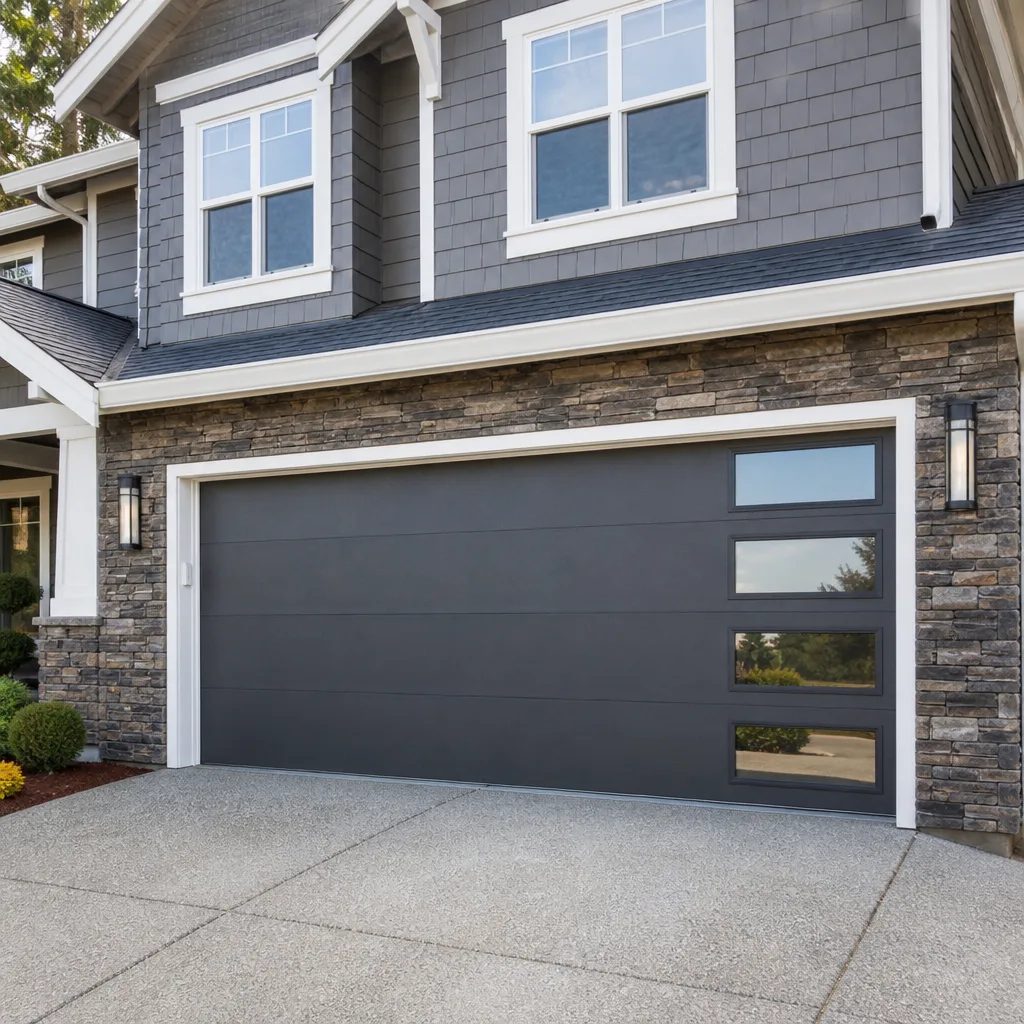 Impact garage doors
 PGT
 CGI
Free in-home measure and quote - PGT, CGI and CWS impact lines compared on your actual openings, style by style
Get your free estimateThe Complete Window Replacement Guide for Spring Valley Homeowners
Most window-buying advice you’ll read online was written for a temperate climate where summer is a mild inconvenience. In Spring Valley, summer is the whole story. Las Vegas Valley summers push exterior window glass surface temperatures above 150°F, and that single number rules out a surprising share of the products a national retailer would happily sell you. A window rated for efficiency in Seattle or Columbus can underperform here because its coating was tuned for a different sun angle and a different heat load. This guide treats the desert as the primary variable. You’ll learn how to read efficiency ratings for our climate, why stucco changes the installation method, what to prepare before you order, and how to sequence a multi-room project without paying twice.
Quick Answer
Window replacement in Spring Valley means choosing products rated for intense solar heat gain on south- and west-facing walls, installing them to work with stucco construction rather than against it, and clearing HOA requirements before the order is placed. The right window here is not the most expensive one on the showroom floor. It’s the one whose solar heat gain coefficient and frame style match the specific wall it’s going into.
Styles & brands we work with
- Single hung
- Double hung
- Horizontal roller
- Casement
- Bay & bow
- Sliding glass doors
- Entry doors
- Impact garage doors
- PGT
- CGI
Table of Contents
- Why Spring Valley Climate Changes the Window Equation
- How to Read SHGC Ratings for Desert Windows
- Stucco and Frame Compatibility: Block-Frame vs. Retrofit
- The HOA Approval Step Most Homeowners Skip
- How to Sequence a Multi-Room Replacement
- Installation Warranty vs. Manufacturer Warranty
- Impact-Rated Windows and Energy Performance
- How to Choose a Window Contractor in Spring Valley
Why Spring Valley Climate Changes the Window Equation
Spring Valley sits in a climate zone where cooling dominates the energy bill and heating is a minor line item. That inverts the standard national advice. In cold climates, the priority is keeping heat in, so you look at U-factor first. Here, the priority is keeping heat out, which means the solar heat gain coefficient (SHGC) matters more than most guides admit. A window with excellent insulation properties but poor solar control will still let the desert sun bake the room behind it.
The sun angle compounds the problem. South- and west-facing glass takes the worst of the afternoon load, and those are the windows that drive complaints about rooms that never cool down. East-facing windows get intense morning sun but for a shorter window of time. North-facing glass is the easiest to satisfy. This is why a blanket “buy the most efficient window” recommendation fails here: the correct specification depends on which wall the window faces, and a builder who specs every opening the same way is leaving performance on the table.
Manufacturers in our portfolio, including ECO Window Systems and ES Windows, offer product lines built around thermal performance. Matching the right line to the right exposure is the job. We don’t sell one brand and defend it. We carry competing lines because the home’s orientation and construction should decide the product, not a dealer’s margin.
There’s a second desert factor most guides ignore: thermal cycling. Glass and frame expand and contract through a wide daily temperature swing, and over time that movement stresses seals and weatherstripping. A window installed with poor shimming or a weak seal will show it here faster than in a mild climate. Installation quality isn’t a nice-to-have in Spring Valley. It’s what determines whether the product performs the way its label promises.
How to Read SHGC Ratings for Desert Windows
Solar heat gain coefficient measures how much of the sun’s heat passes through a window, on a scale where lower means less heat. In a climate like Spring Valley’s, you want a low SHGC on every exposure that faces the sun, and you can accept a higher number on shaded or north-facing glass. U-factor, by contrast, measures heat transfer through the assembly and matters less here than in cold states, though it still counts.
Low-E coatings are where the confusion lives. A low-E coating is a thin metallic layer that reflects certain wavelengths of solar energy, and coatings are tuned for different climates. A coating optimized for a cold-climate market may prioritize letting solar heat in. That’s exactly backwards for a Spring Valley west-facing wall. The practical takeaway: don’t assume any low-E window is a desert window. Ask what climate the coating was designed for.
- West- and south-facing: prioritize the lowest SHGC the product line offers, plus a solar-control low-E coating.
- East-facing: strong solar control helps with morning glare and heat; moderately low SHGC works.
- North-facing: you have flexibility here; efficiency still matters but solar control is less critical.
- Shaded openings: patio overhangs and screen porches reduce the solar load, so the spec can relax.
Ask for the actual performance data on the specific product, not a marketing brochure’s general claims. A reputable supplier can pull the numbers for the exact window and glazing package you’re considering. If a salesperson can’t tell you the SHGC of the unit they’re quoting, that’s your answer about how carefully the product was chosen.
This is where a multi-brand approach pays off. With PGT, CGI, ES Windows, and ECO Window Systems all on the table, we can spec a different product line for your west wall than for your north wall if that’s what performs best. One brand can’t cover every exposure well. Eight brands get much closer.
Stucco and Frame Compatibility: Block-Frame vs. Retrofit
Nevada homes are overwhelmingly finished in stucco, and stucco behaves differently from siding when you replace a window. This is the single most consequential decision in the project, and national guides usually skip it. You’re choosing between two installation methods, and the right one depends on the condition of the rough opening and the stucco itself.
Retrofit (Insert) Installation
A retrofit install sets a new window inside the existing frame after the old sash is removed. It’s faster, less invasive, and requires no stucco work. The trade-off is that the original frame stays, along with whatever condition it’s in, and you lose a small amount of glass area. On a stucco home where the original frame is sound and properly flashed, retrofit is often a clean solution.
Block-Frame (Full-Frame) Installation
A block-frame install removes the entire window down to the rough opening, including the old frame, and installs a complete new unit with its own frame. It allows for proper flashing and sealing against the stucco, gives the fullest possible glass area, and lets you correct a bad original installation. It also requires cutting back stucco and patching it after, which means more labor and a stucco repair step.
- Inspect the existing frame for rot, cracks, or separation from the stucco.
- Check that the rough opening is plumb, square, and structurally sound.
- Look at how the current window is flashed and sealed to the stucco wall.
- Confirm the stucco itself is intact around the opening, with no cracks allowing moisture in.
- Decide with your contractor whether the frame can be reused or should be replaced.
In Spring Valley, the dry climate is kind to wood and stucco in some ways and hard on them in others: sun exposure degrades sealants and caulk over time, and a window that’s been poorly sealed will let the desert heat and dust in around its edges regardless of how good the glass is. Getting the flashing and seal right is more than half the battle. We match the product to your home and the installation method to the wall, then handle the full opening, frame to threshold.
The HOA Approval Step Most Homeowners Skip
Large parts of Spring Valley sit inside homeowners associations, and HOA architectural review is a real gate on your project. The mistake is ordering windows before the approval comes through. If your association requires a specific frame color, visible glass proportion, or mullion style that matches the neighborhood, you can end up with a product you can’t install or a change order that costs you more than the upgrade itself.
Pull the documentation before you place the order, not after. Most HOA architectural committees want:
- A description of the product, including frame material and color.
- A brochure or spec sheet for the window line you’ve selected.
- A diagram or photo showing the window style as installed.
- Confirmation that the change matches the existing exterior appearance where required.
- The application form and any required neighbor notification, if the association asks for it.
Timelines vary by association, and we won’t guess at yours. What we can tell you is that having the product documentation in hand makes the review go faster, because the committee can see exactly what’s going in. When you’re comparing brands, ask for the spec sheets up front. Therma-Tru entry doors and the window lines we carry all have documentation you can submit with an application, and matching your new windows to your existing door color is a detail worth locking in at the same time.
Here’s the sequencing rule to remember: HOA approval first, order second, installation third. Reversing the first two steps is where projects get expensive.
How to Sequence a Multi-Room Replacement
Whole-home window replacement is a big capital outlay, and many Spring Valley homeowners phase it over two seasons. That’s a sound approach if you plan it before the first order goes in. Phased projects go wrong when the second phase is priced at a different time and the same product is no longer available, or when the homeowner has to renegotiate the per-window price after the first batch is done.
Plan the phases around function, not around whichever rooms annoy you most. Group the windows that share an exposure and a specification so the product order is consistent. Group the rooms whose disruption you can tolerate together. And put the highest solar-load windows in phase one, since those deliver the biggest comfort improvement per dollar.
- List every window by room, exposure, and size, and photograph each one.
- Group them into two phases by exposure and priority, not by convenience.
- Get a single written estimate that prices both phases so the numbers are locked in.
- Confirm with your contractor that the product line will be available for phase two.
- Ask how the second phase will be scheduled and whether the pricing carries forward.
A price-lock mistake looks like this: you buy phase one at a quoted price, then discover phase two is quoted at a higher per-window number because the material cost changed or the phase is treated as a new job. Asking for both phases priced in one written estimate, with the terms spelled out, prevents it. It’s also why we prefer to see the whole project at once. We can sequence the work sensibly and give you one line-item estimate that covers what you’re actually doing, even if you split the installation across seasons.
For door projects adjacent to window work, sequencing matters too. If a new entry door is part of the exterior upgrade, coordinate it with the window phase so the exterior colors and finishes read as one package. Therma-Tru door systems and the window lines are specified together, which avoids the mismatched-exterior look that happens when doors and windows are bought from different contractors at different times.
Installation Warranty vs. Manufacturer Warranty
Two warranties protect your window project, and they cover different things. The manufacturer warranty covers the product itself: glass seals, frame integrity, hardware failure, coating degradation. The installation warranty covers the work: the seal, the flashing, the fit, the alignment. The gap between them is where most complaints live, because an installer can point at the manufacturer and the manufacturer can point back at the installation.
Before you sign, confirm both in writing and understand which one covers what.
- Manufacturer warranty: what the product warranty covers, for how long, and what voids it.
- Installation warranty: what the installer warrants about the seal, fit, and workmanship, and for how long.
- The boundary: which warranty applies to a leak around the frame versus a failed glass seal.
- Transferability: whether either warranty transfers to a future buyer.
- Claims process: who you call and what documentation you need.
Ask directly: if a window leaks at the edge of the frame two years from now, whose warranty covers it? If the answer is vague, get it clarified in writing before work starts. Don’t accept “it’s all covered” as an answer. Insist on the document.
Our technicians have up to 10 years of experience, and we know where projects fail: at the installation boundary. The product is usually fine. The seal or the flashing is where the problem starts. A written installation warranty that clearly states its scope is a sign the contractor has thought about this too.
Impact-Rated Windows and Energy Performance
Impact-rated windows and energy-efficient windows are often discussed as if they’re separate categories, but modern product lines cross over. In the Spring Valley market, homeowners weighing storm and wind protection alongside cooling costs can get both from the same unit. The key is knowing which product line serves which need, and not buying impact glass for a window that will never face a serious wind event while ignoring the solar control.
CGI and ECO Window Systems are two lines in our portfolio that address this overlap. Impact-rated products are built to withstand wind-borne debris and pressure, which matters in areas where wind-load compliance is required. Energy-efficient lines are built to control solar heat gain. Some products do both well; some do one at a time. Reading the spec sheet tells you which category a particular unit sits in, and matching it to the wall it’s going on is the decision.
If your HOA or local requirements call for impact-rated glass, that constraint narrows your product choice. If they don’t, you have more freedom to prioritize solar control. Either way, the specification question should be settled before the order, not after installation.
How to Choose a Window Contractor in Spring Valley
The best window in the portfolio will underperform if it’s installed badly. Choosing a contractor is a decision about the risk you’re taking on for the next couple of decades, so it deserves as much attention as the brand comparison. Here’s what to look for and what to ask.
- Ask how the contractor handles the full opening. Windows, doors, and the exterior package. A contractor who subcontracts portions of the finish work introduces a gap in accountability.
- Ask about product breadth. A single-brand dealer can only recommend their line. A multi-brand specialist can explain why one brand wins for your west wall and another for your front door.
- Get a written, line-item estimate. Vague lump-sum quotes hide scope problems. You want the product, the installation method, the flashing work, and the warranty spelled out.
- Ask who pulls the permits. Most cities require a permit for window replacement, and the contractor should handle that step. Ask your city’s building department about the specific requirements for your property.
- Ask for the installation warranty in writing. A verbal promise to “take care of it” is worth nothing. Get the document.
- Check that the contractor’s product lines match your needs. If you’re replacing a west-facing stucco wall, you want a contractor who can talk about SHGC and block-frame install, not just sell you a brochure.
We work with eight vetted product lines and we’ll tell you exactly why we recommend one over another for your project. Ask us. We’ll give you a straight answer, and that’s the whole point of carrying competing brands.
Common Mistakes to Avoid
- Buying for looks before performance. A beautiful frame with a high-SHGC glass package will bake your living room. Choose glass and frame performance first, then pick the finish.
- Specifying every window the same way. A north-facing window doesn’t need the same solar control as a west-facing one. Matching the product to the exposure saves money and performs better.
- Ordering before the HOA approves. If your association requires a specific style or color, an early order can mean a costly change.
- Choosing retrofit without inspecting the frame. Reusing a failing frame traps the problem. Have the existing frame checked before deciding on the installation method.
- Phasing a project without pricing both phases together. Get the whole project estimated at once so the later phase isn’t repriced at a new number.
- Accepting a verbal warranty. The gap between the manufacturer and installation warranties is where disputes happen. Get both in writing with the boundary spelled out.
- Choosing a single-brand dealer when you need a multi-wall spec. Different walls need different products. A one-line dealer can’t offer you the best unit for every exposure.
See the difference
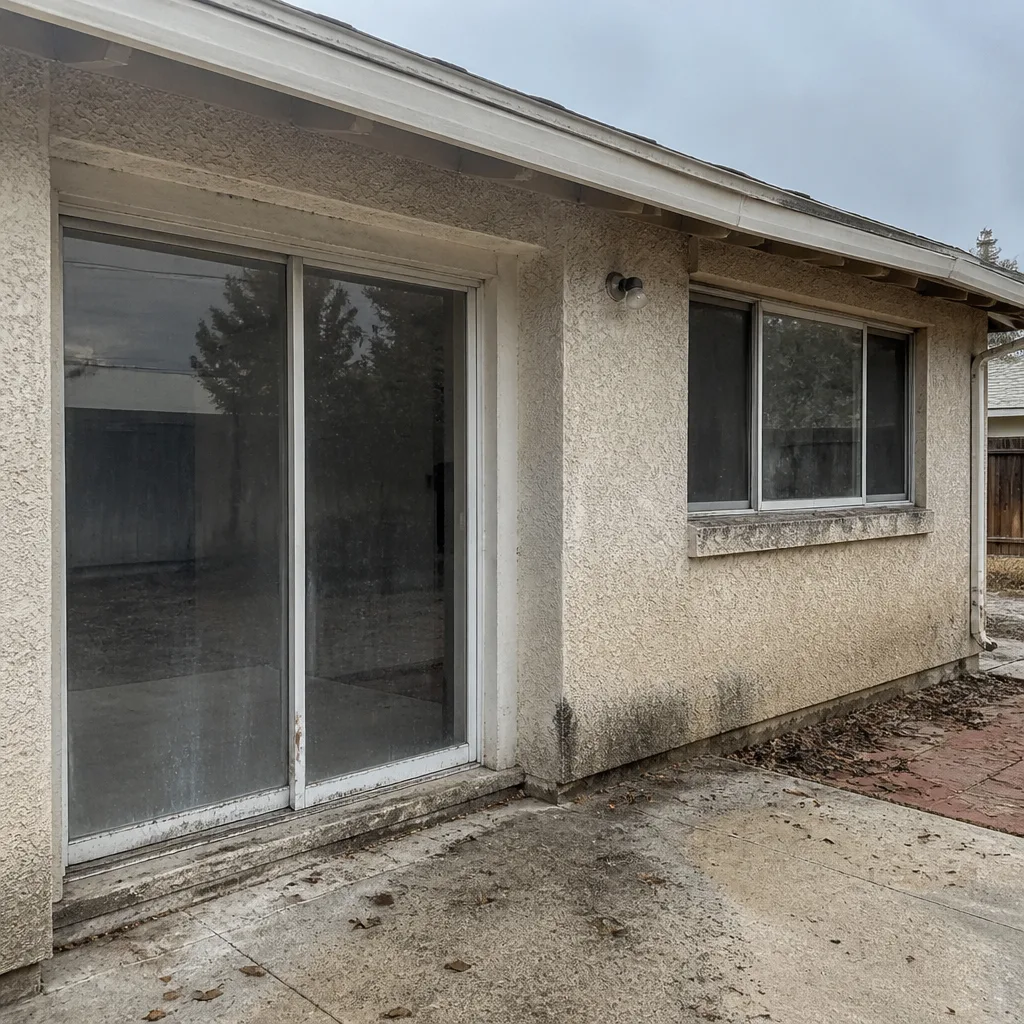 Before
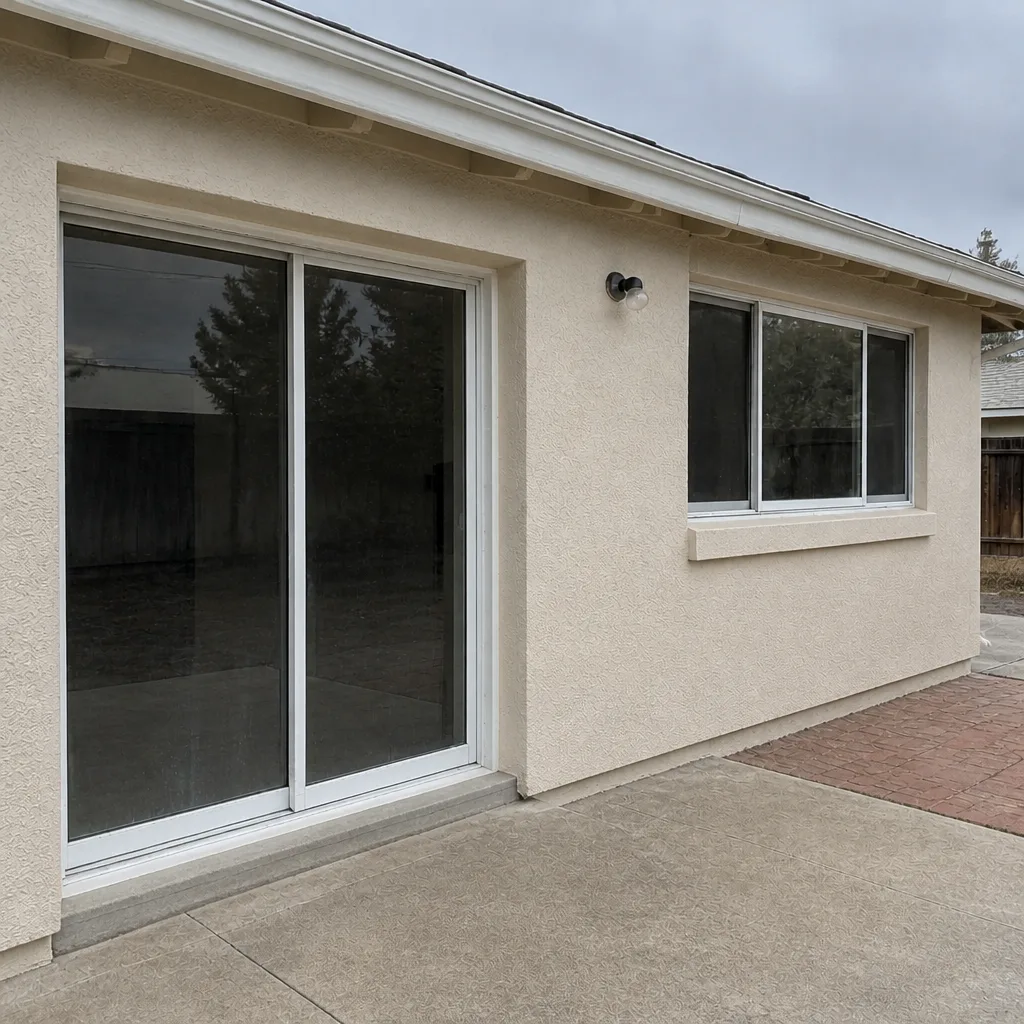 After
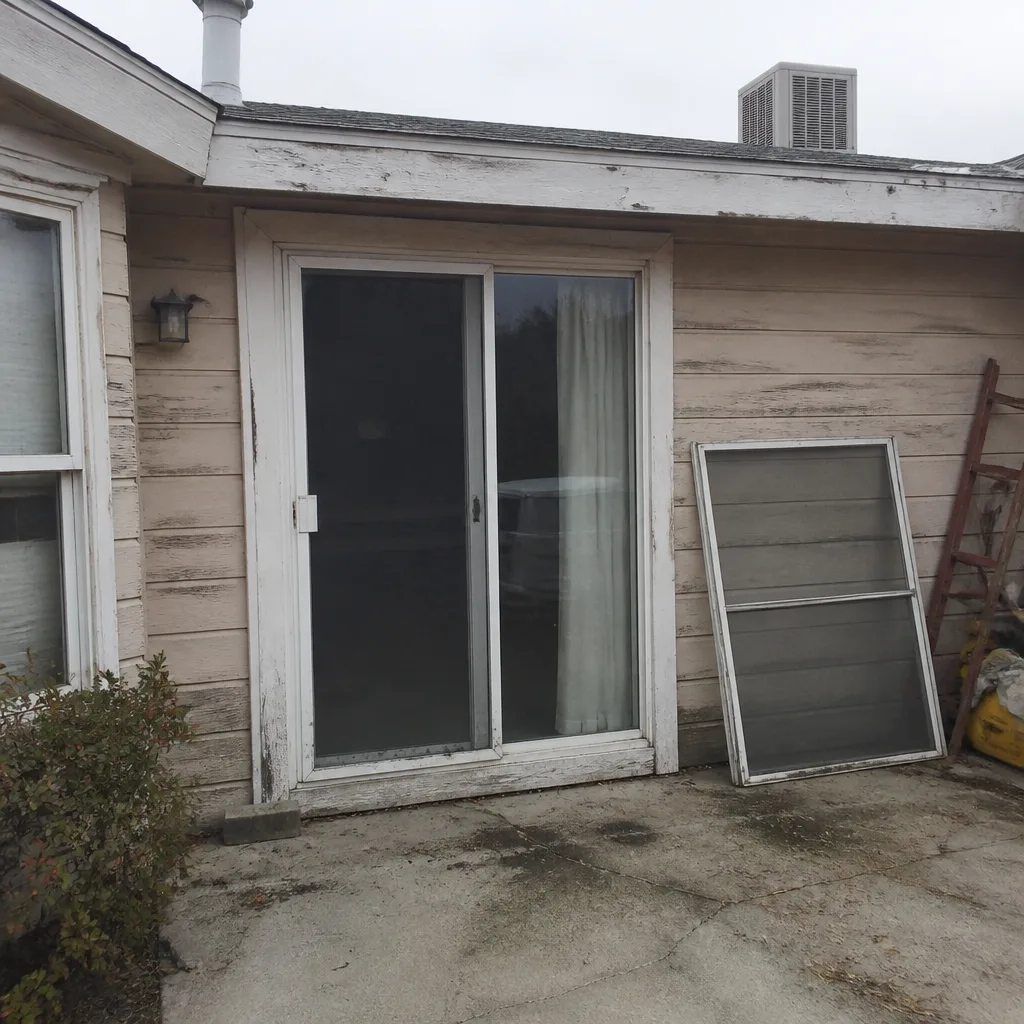 Before
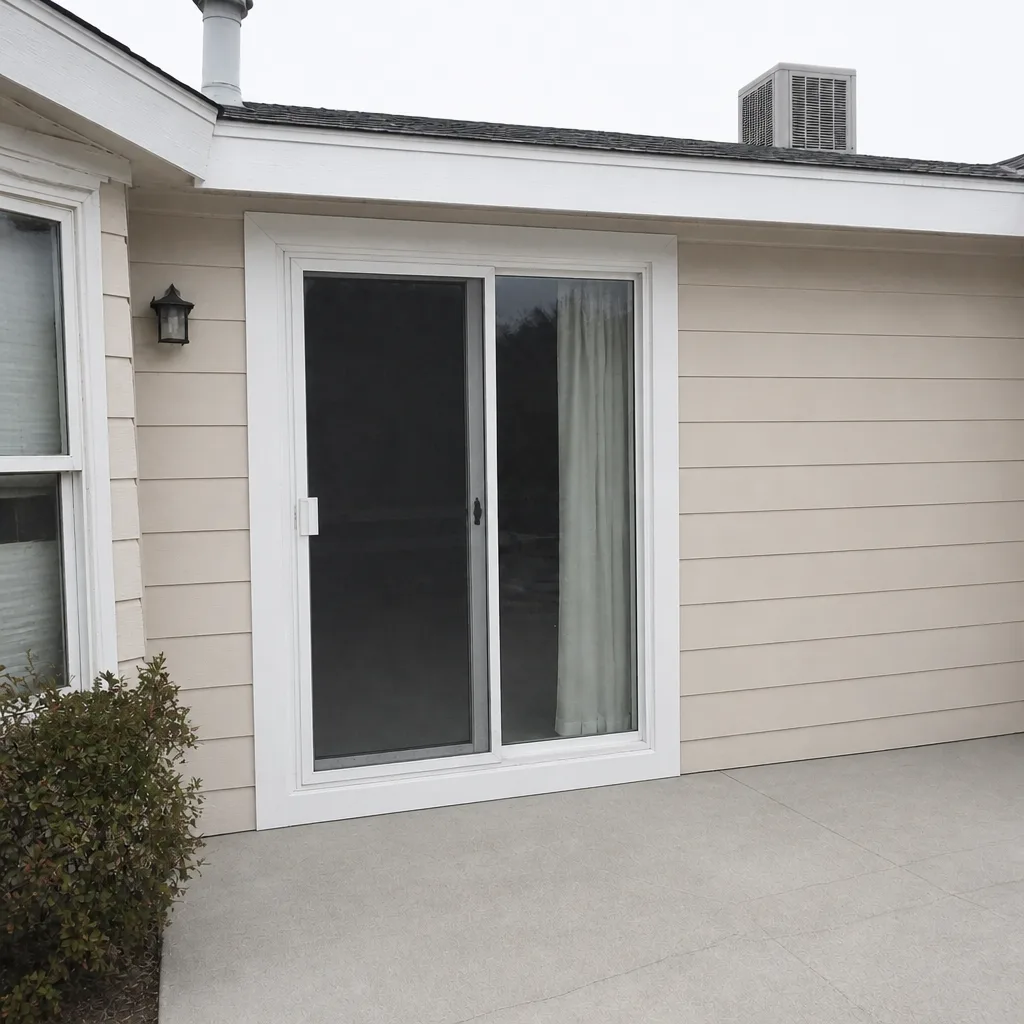 After
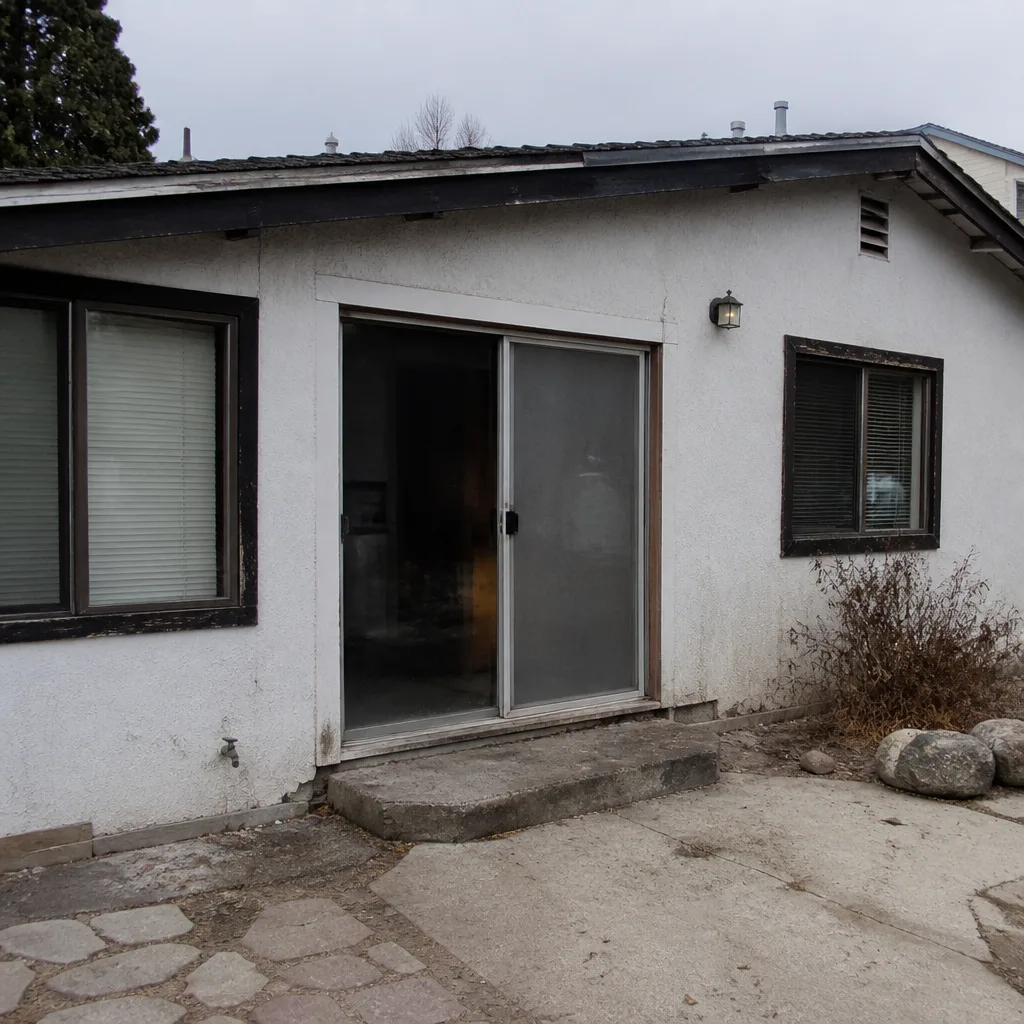 Before
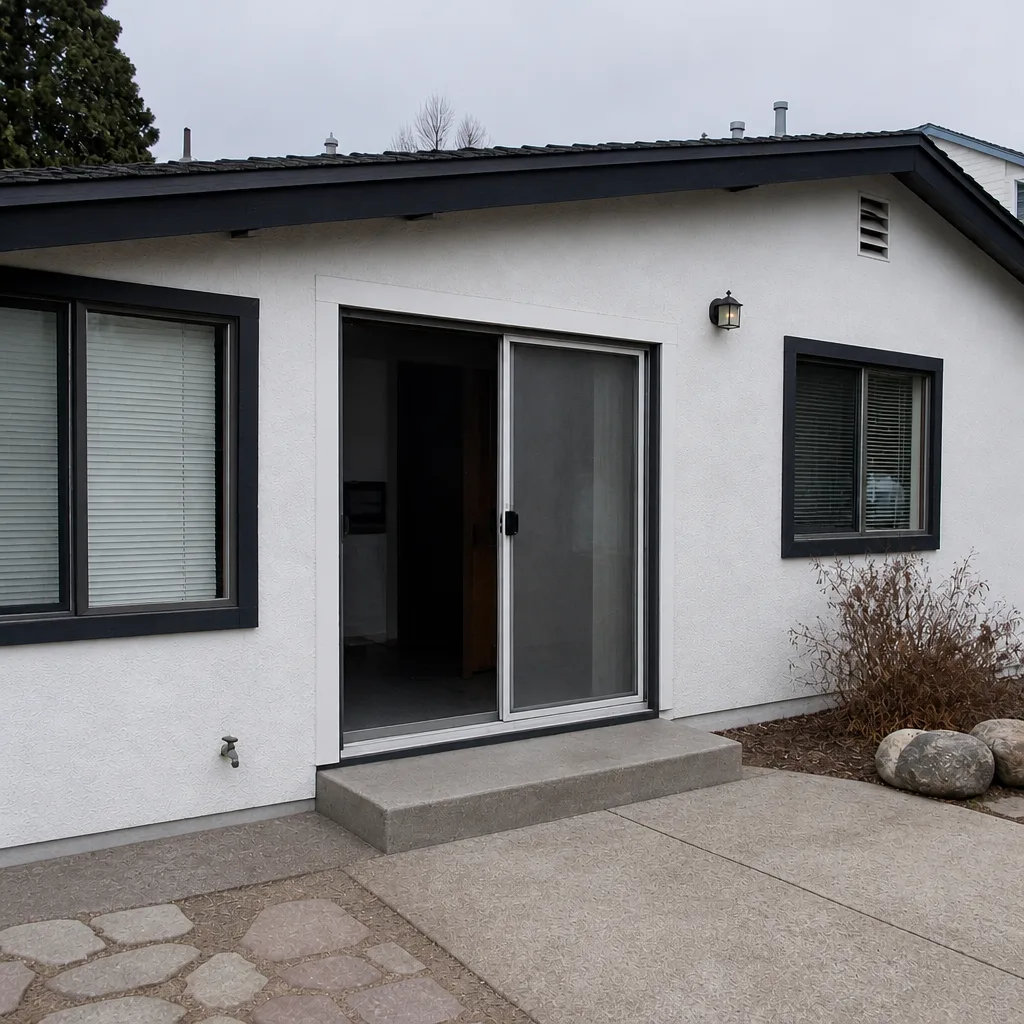 After
When to Call a Professional
Replacing windows above the ground floor, correcting water intrusion around a stucco opening, and removing original frames all qualify as professional work, and so does anything that requires a permit. If your existing windows are original to a stucco home and you suspect damage to the rough opening, don’t let a friend with a pry bar near it. If you’re phasing a whole-home project and want the numbers locked in before phase two, that’s a conversation worth having early. Spring Valley Windows & Doors offers free estimates in Spring Valley – call (833) 549-7716. We answer 24/7. Fast dispatch from 7am to 7pm, Sunday through Friday. Our technicians have up to 10 years of experience, and our estimates are written line-item quotes with no change orders once the work is scoped.
Frequently Asked Questions
There’s no single number, because the price depends on window count, size, exposure, product line, and installation method. A window on a stucco wall that needs block-frame installation costs more than a retrofit on a sound frame, and an impact-rated unit costs more than a standard energy-efficient one. The written estimate is the only reliable figure. Call (833) 549-7716 for a free line-item quote – estimates are free.
Most cities require a permit for window replacement, and Spring Valley is no exception. Ask your city’s building department about the specific requirements for your address. A reputable contractor will handle the permit as part of the project. Call (833) 549-7716 to talk through your project.
Retrofit sets a new window inside the existing frame, while block-frame removes the old frame down to the rough opening and installs a complete new unit. Retrofit is faster and less invasive. Block-frame allows proper flashing and sealing against the stucco and corrects a bad original installation. The condition of your frame decides which is right. We’ll evaluate it during your free estimate – call (833) 549-7716.
Windows with a low solar heat gain coefficient reduce the heat that enters your home, which can lower cooling costs compared to older single-pane or high-SHGC glass. The savings depend on how much glass you have, which way it faces, and what you’re replacing. The performance data on the product you’re considering is the best guide. Call (833) 549-7716 for a free estimate on a specification matched to your walls.
Pull your HOA’s architectural review requirements before you order, submit the product spec sheet and installation diagram with your application, and get approval before placing the order. Association timelines vary, so the documentation being ready is what matters. Call (833) 549-7716 and we’ll get you the spec documents you need.
The timeline depends on the number of windows, whether you’re doing retrofit or block-frame installation, and the product lead time. Stucco repair after a block-frame install adds time. A written estimate will give you a realistic schedule for your project. Call (833) 549-7716 for a free estimate and a clear timeline.
That’s a personal call based on your risk and priorities. Impact-rated glass adds protection against wind-borne debris and pressure, but it can cost more than a standard energy-efficient unit. If wind-load compliance isn’t required for your property, you may prefer to put the budget toward solar control instead. Call (833) 549-7716 and we’ll talk through what makes sense for your home.
The Bottom Line
Window replacement in Spring Valley is a climate-driven project, not a generic home improvement. South- and west-facing glass needs the lowest solar heat gain coefficient you can get. Stucco construction means installation method is a structural decision, not a cosmetic one. HOA approval comes before the order, and phasing a project means pricing both phases together so the later phase isn’t repriced. Get both warranties in writing, and choose a contractor who carries competing product lines so the recommendation is driven by your home, not by inventory. Our technicians have up to 10 years of experience working with eight trusted brands across impact-rated, energy-efficient, and decorative lines – and we’ll tell you exactly why we recommend one over another.
Contact Us
Ready to price your project? Call (833) 549-7716 for a free, written line-item estimate. We answer 24/7. Fast dispatch from 7am to 7pm, Sunday through Friday. We’ll evaluate your windows, talk through the right specification for each exposure, and tell you what a realistic timeline looks like. One crew, eight trusted brands, no subcontracting the finish work – and an estimate you can hold us to.
Written by the team at Spring Valley Windows & Doors.