Last updated November 17, 2026
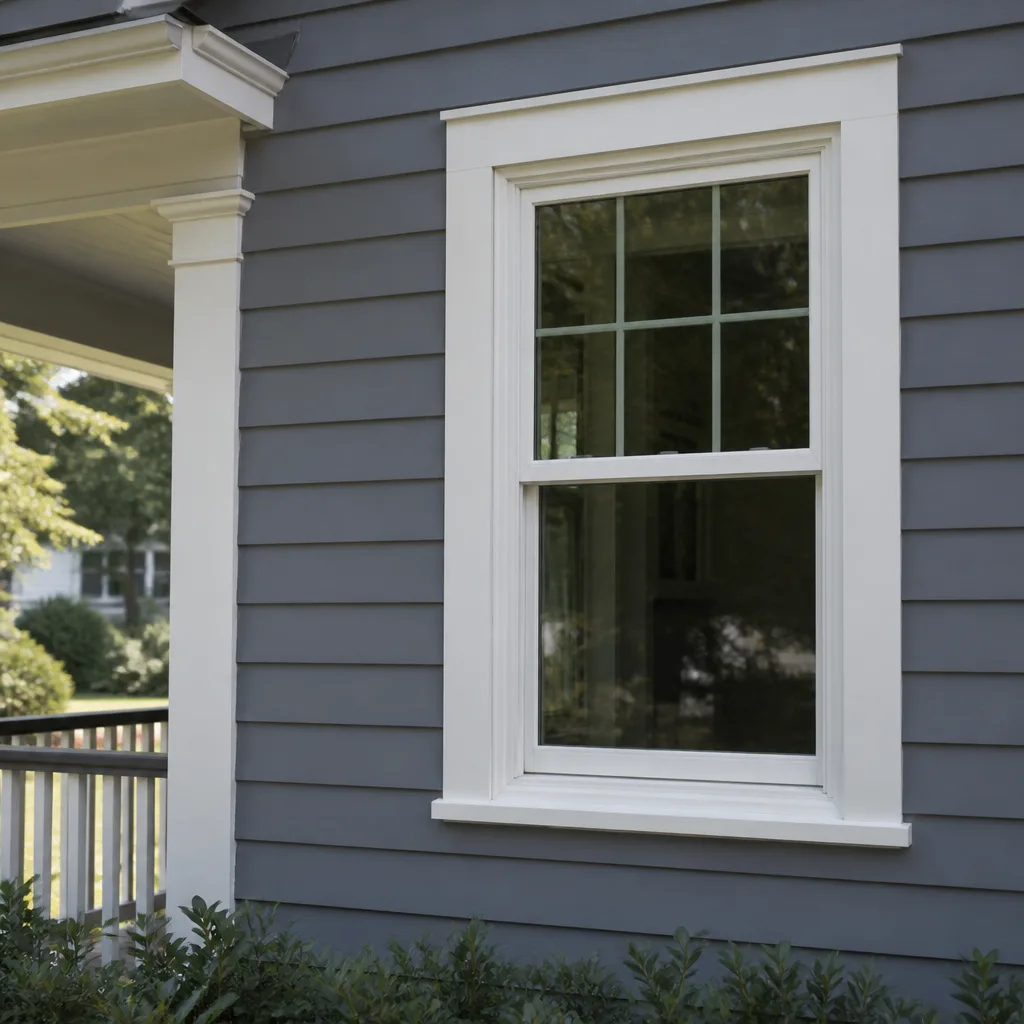 Single hung
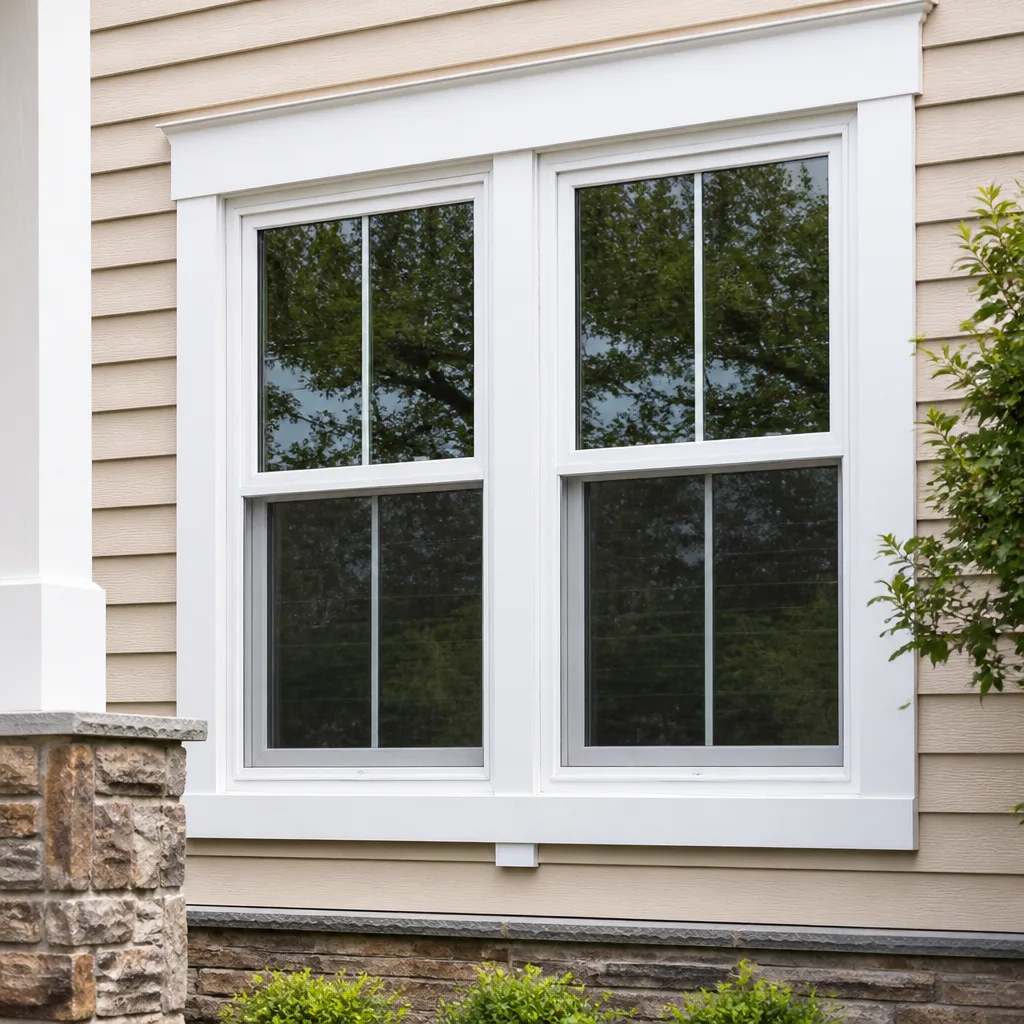 Double hung
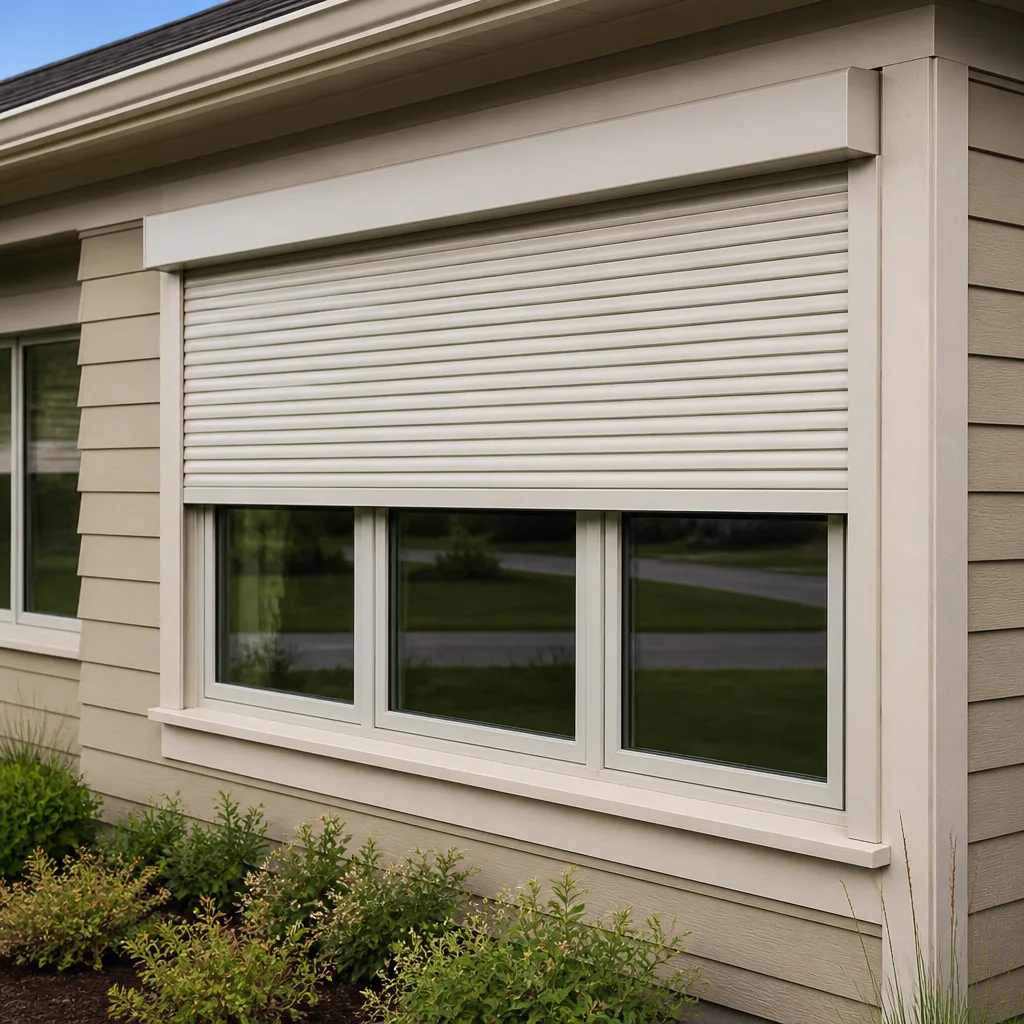 Horizontal roller
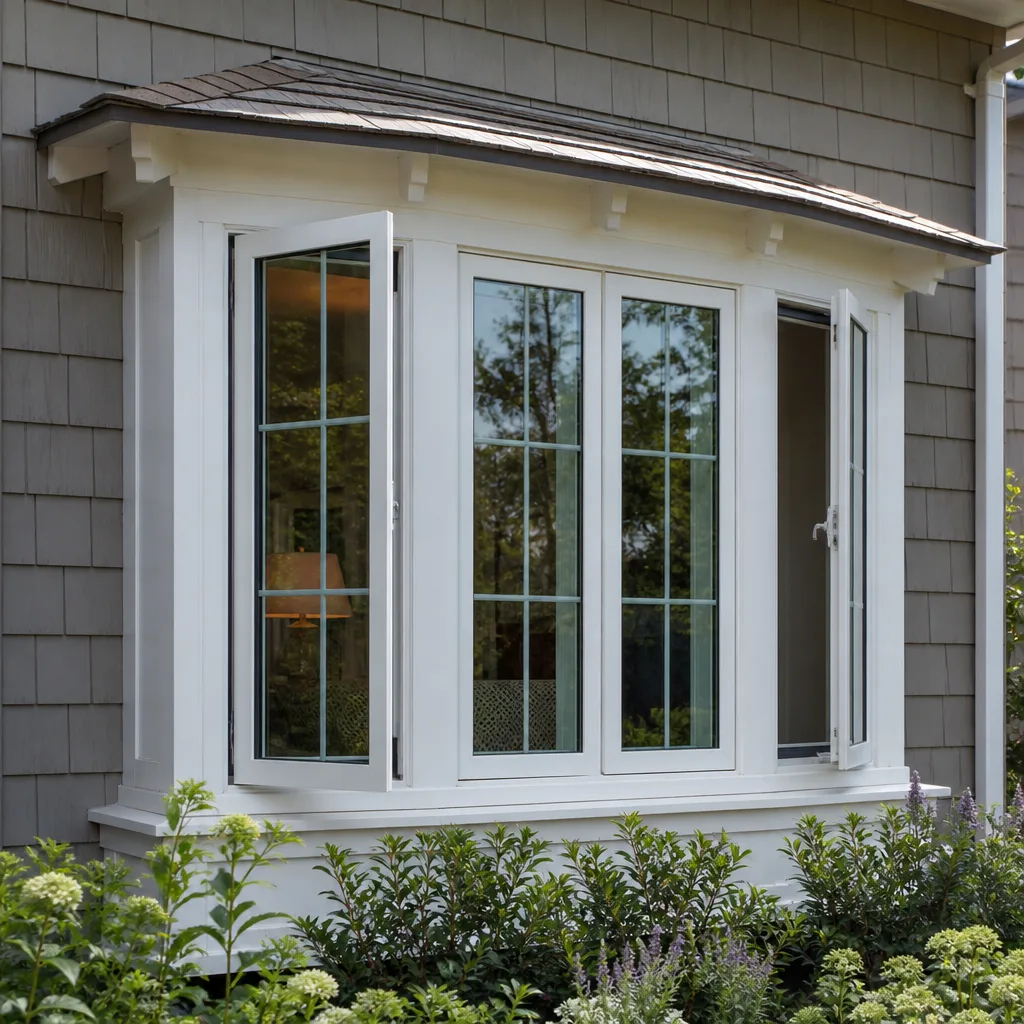 Casement
 Bay & bow
 Sliding glass doors
 Entry doors
 Impact garage doors
 PGT
 CGI
Free in-home measure and quote - PGT, CGI and CWS impact lines compared on your actual openings, style by style
Get your free estimateWindow Replacement Troubleshooting in Spring Valley: Common Problems and How to Fix Them
If your windows are fogging between the panes, that’s not a window age problem. It’s a seal failure, and in Spring Valley’s 110°F summers it can happen to a four-year-old window that was installed with the wrong spacer system. Most window trouble we troubleshoot in Spring Valley isn’t random. It traces back to one of three root causes: thermal stress from extreme heat cycling, improper installation against stucco substrates, or a product spec that never matched the house. This guide walks you through how to identify which one you’re dealing with, how to tell installer error from product defect, and when a repair is a real fix versus a patch that just delays a replacement.
Quick Answer
Window problems in Spring Valley usually stem from heat-driven thermal cycling, stucco flashing failures, or mismatched product specs rather than simple old age. Condensation between panes means a failed seal and a replacement unit, frame gaps that open and close with temperature are normal expansion rather than settling, and water intrusion on a stucco home is almost always a flashing problem rather than a window defect. Matching the symptom to its cause tells you whether you need a repair, a warranty claim, or a new window.
Styles & brands we work with
- Single hung
- Double hung
- Horizontal roller
- Casement
- Bay & bow
- Sliding glass doors
- Entry doors
- Impact garage doors
- PGT
- CGI
Table of Contents
- Symptom-to-Cause: A Window Troubleshooting Table for Spring Valley Homes
- Why Do Windows Fog Between the Panes in Spring Valley?
- Installer Error vs. Product Defect: Which One Are You Dealing With?
- Thermal Expansion Gaps: Why They Get Misdiagnosed as Settling
- Stucco Flashing Failures and Water Intrusion
- When Is a Repair a Real Fix vs. a Temporary Patch?
- Why Windows Get Hard to Open and Close
- Drafts and Noise: What They Tell You About Your Windows
Symptom-to-Cause: A Window Troubleshooting Table for Spring Valley Homes
Before you call anyone, get the symptom right. A window problem described accurately saves you a wrong diagnosis, a wasted warranty filing, and a repair that doesn’t solve anything. Here’s how the common symptoms in Spring Valley windows map to their underlying causes.
| Symptom | Most Likely Cause | Typical Path |
|---|---|---|
| Fogging or condensation between panes | Failed insulated glass seal | Replacement glass unit or window |
| Frame gaps that open and close seasonally | Thermal expansion of vinyl frame | Adjustment or re-caulk, rarely structural |
| Hard to open or close, sticking sash | Hardware wear, frame distortion, or settling | Hardware service or re-shim |
| Drafts around the perimeter | Failed weatherstripping or air sealing | Re-seal or reinstall |
| Water staining inside on a stucco wall | Flashing or head-jamb failure | Flashing repair, sometimes reinstall |
| Street noise or traffic sound coming through | Single-pane glass or poor air sealing | Upgrade to laminated or impact-rated glass |
| Cracks in the glass or frame | Impact, thermal stress fracture | Full unit replacement |
In our experience working through Spring Valley homes, that first row causes more confusion than any other. Homeowners see fog and assume the window is old. It’s usually the spacer system and how the sealed unit handles day-to-night temperature swings. Roofs here reach well past 150°F in summer, and a west-facing window takes that load every afternoon.
The second row is the other one that gets misread. A gap that appears in July and closes by December is a frame doing what vinyl does when it heats. That’s not a foundation problem, and a house-leveling contractor isn’t the right call. A shim and a bead of exterior sealant usually are.
Why Do Windows Fog Between the Panes in Spring Valley?
Fogging between the panes means the sealed glass unit has lost its seal. The insulated glass unit, or IGU, is a factory-sealed sandwich of two panes with an inert gas or dry air between them. When that seal fails, moist air enters and condenses on the cool inner surface. You can’t clean it off because it’s inside a sealed space.
What causes the seal to fail
Pressure cycling is the main culprit, and it’s worse in places with wide temperature swings. Spring Valley runs from summer afternoons above 110°F down into the 40s and 50s on winter nights. Each swing flexes the unit’s perimeter seal. Over a few years, that flexing can develop micro-cracks in the sealant, especially on units built with lower-grade spacers. A cheap spacer system and a west-facing wall are a bad combination.
That’s why age alone tells you very little. A well-built unit from PGT, CGI, or ViewLux can hold its seal far longer than an economy unit in the same window opening. The spacer and the sealant chemistry matter more than the number of years on the label.
What you can check
- Look at the pattern. Fog across the whole pane is a seal failure. A small haze near one corner might be the same thing just starting.
- Wipe the interior surface first to rule out household moisture. If it disappears, it wasn’t between the panes.
- Check both sides of the same unit. Fog on one side only usually means that side’s seal gave out first.
- Note which windows are affected. Clusters on the same elevation point to a batch or installation issue.
The practical outcome: a fogged IGU can’t be re-sealed in the field. It gets replaced as a unit, or the whole window gets replaced if the frame is also failing. When you’re ready to price that out, our window replacement page spells out what a full replacement involves.
Installer Error vs. Product Defect: Which One Are You Dealing With?
The answer decides whether you file a warranty claim or call the installer back. Manufacturers warrant the product; the installing contractor warrants the installation. If you call the wrong one, you spend weeks getting sent back to the other.
Signs it’s likely a product defect
- Fogging between the panes on a unit that’s still well within normal service life
- Cracks in the glass with no sign of impact
- Hardware that fails under normal use on multiple units from the same batch
- Finish or coating defects visible straight out of the frame
Signs it’s likely installer error
- Drafts around the perimeter of an otherwise sound window
- Water showing up at the head or jamb on a stucco wall
- Sash that binds, rubs, or won’t sit square in the frame
- The same problem on every window on one side of the house
- Leaks that appear only during certain wind directions or storms
Installer error tends to be patterned. One window leaking after a storm could be either. Six windows on the same wall leaking the same way is almost always installation or flashing. That’s why we measure and check the opening before we order anything, and why we recommend reading the manufacturer’s install requirements rather than the generic ones. In Spring Valley, where stucco is everywhere, the flashing detail is where installation problems show up first.
If your window is also near the end of its useful life, a defect claim may be throwing good effort after a tired unit. It might be wiser to move to window installation of a properly specified product than to fight a warranty on a window that will still be 20 years old next summer.
Thermal Expansion Gaps: Why They Get Misdiagnosed as Settling
Vinyl frames move. They expand and contract with temperature, and in Spring Valley that movement can be significant over a summer day. A gap that opens at the frame’s edge in July and closes back up by winter is a frame doing exactly what it’s designed to do. It’s not a house settling issue, and it’s not a foundation problem.
The simple test to confirm it’s thermal expansion
- Measure the gap at the worst spot. Record the width and the date.
- Wait for a cool morning, ideally after a stretch of milder nights. Measure the same spot.
- Compare. If the gap shrinks by a noticeable amount, you’re looking at thermal movement.
- Repeat on the same window in winter if you want a fuller picture.
If the gap opens and closes with the temperature, the fix is nearly always cosmetic and cheap: a caulk joint that moves with the frame, or an expansion gap that was specified correctly but finished wrong. If the gap is also present on a cool morning and stays there, that’s a different problem and worth a professional look.
Why Spring Valley windows see more of this
Interior air conditioning and exterior heat create a bigger temperature differential across the glass and frame than in most of the country. A west-facing frame can hit 130°F on the outside while the room inside sits at 72°F. That’s a lot of flex to absorb. Windows built with a proper expansion allowance in the opening handle it fine. Windows crammed into a tight rough opening don’t, and they may crack or bow over a few summers.
We specify windows that tolerate that swing. Brands like PGT, CGI, and ViewLux have lines built for this climate, and we’ll tell you which one suits your opening and why. Ask us why we recommend one brand over another. We’ll give you a straight answer.
Stucco Flashing Failures and Water Intrusion
Water coming in around a window on a stucco home is almost never the window’s fault. It’s the flashing and the stucco-to-frame transition, and it’s the most common water intrusion problem we see across Spring Valley stucco construction.
How flashing fails on a stucco wall
Stucco is a cement-based skin with layers of weather barrier and lath behind it. Water has to exit at the bottom of the wall through a weep mechanism, and the window head is where most of the water arrives. If the head flashing was installed without an adequate drip edge, or the weather barrier wasn’t lapped correctly under the stucco, water gets behind the finish. The window can be perfectly sealed and still leak, because the water never reaches the window.
Signs of a flashing failure rather than a window failure
- Water stains directly below the head of the window, not around the perimeter
- Stucco staining or efflorescence on the exterior near the top corners
- Leaks only during wind-driven rain from a particular direction
- Soft or bubbling drywall at the top inside corner of the opening
- Any leak where the window itself shows no fogging or frame defects
If you’re seeing those signs, the right person to call is a window contractor who understands stucco detailing, not a stucco contractor alone. The window has to be pulled back, the flashing rebuilt, and the finish closed up correctly. Our Spring Valley Windows & Doors team handles the full opening, so the flashing, the frame, and the finish are coordinated by one accountable crew. That’s the difference between fixing it once and chasing it for years.
Why this matters more than the window spec
You can install the most expensive window on the market and still leak if the flashing is wrong. Conversely, a well-built window installed with proper flashing and drainage handles decades of monsoon rain. Product and installation have to match. That’s why we don’t quote a window without quoting the detail around it.
When Is a Repair a Real Fix vs. a Temporary Patch?
The honest question isn’t “can this be repaired?” but “will the repair still be standing in two years?” Here’s the threshold we use.
Repair is usually the right call when:
- The frame, sash, and glass are all in good condition and only hardware or weatherstripping is worn
- A single window on a sound wall has failed and every other window is fine
- The failure is a seal around a fixed unit, not a structural issue
- The window is under 10 years old and the rest of the batch is holding up
- Cost of repair is a small fraction of replacement and the window has good remaining life
Replacement is usually the right call when:
- Multiple windows on the same elevation show the same failure
- Fogging is widespread, especially on windows under 10 years old from the same batch
- The frame is cracking, bowing, or showing rot at the sill
- Water intrusion has been recurring for more than one season
- The window is a single-pane unit in a hot climate and you’re chasing energy bills
- You’re already pulling windows for flashing repair and the units are past their useful life
The patching trap is real. A bead of caulk on a flashing problem buys you one monsoon season. A hardware swap on a frame that’s out of square won’t hold. And re-glazing a window that’s already had two failed IGUs is money spent on a window you’ll replace anyway. Repair is a good investment when the underlying window is sound, and a bad one when it’s not.
Use the diagnostic table at the top of this guide to get the symptom right. Then ask any contractor you call to tell you what they think the cause is and why. That conversation alone tells you a lot about who you’re dealing with.
Why Windows Get Hard to Open and Close
A window that sticks, drags, or won’t latch is telling you one of three things: the hardware is worn, the frame is out of square, or the sash spring mechanism on the sliding side is failing.
What you can check without tools
- Open and close the window at different times of day and in different temperatures. If it only sticks in the afternoon, thermal expansion is involved.
- Look at the gap around the sash on all four sides. An even reveal usually means the frame is fine.
- Inspect the latch and lock. A latch that doesn’t align means the sashes are out of position.
- Clean and lubricate the track on sliding windows before assuming hardware failure.
If the window opens fine in the morning and drags in the afternoon, you’re seeing frame movement. A small adjustment to the rollers or a re-shim at the jamb often solves it. If the sash rubs all day, every day, the opening is likely out of square and the window may need to come out and go back in properly. In Spring Valley, afternoon west-facing windows take the biggest hit, so check those last if you have a west elevation.
Drafts and Noise: What They Tell You About Your Windows
A draft around the edge of a closed window means air is moving through the seal, the frame, or the opening, and it says almost nothing about the glass. Air sealing is separate from insulation. A window can have excellent glass and still feel drafty because the perimeter isn’t tight.
Where the drafts usually come from
- Weatherstripping: compressed or worn on an operable sash
- Perimeter caulk: dried and cracked on the exterior seam
- Between frames: a gap between the window and the rough opening that wasn’t sealed at install
- Sill pan: in sliding windows, an unsealed track lets air through
- Under the trim: air sealing was never completed behind the interior casing
Noise follows the same path. If you hear traffic or neighbors more than you’d like, the problem is transfer through the air gaps and through a single pane of glass. Laminated glass and impact-rated units are the answer to the glass part. Air sealing solves the rest.
Impact-rated lines from PGT, CGI, and ES Windows are built around a laminated interlayer that also happens to cut sound transmission. If your home is in a wind-load area or you simply want a quieter room, that’s a real benefit of the spec. For a coordinated exterior upgrade, CWS and Therma-Tru entry systems pair with those windows so the whole opening works together.
If you’ve checked the caulk and weatherstripping and you’re still feeling air, the window and the opening need a closer look. Our technicians have up to 10 years of experience tracking down drafts that turn out to be install-seam issues, and that’s worth the visit before you spend money on a window that won’t fix the problem.
Common Mistakes to Avoid
- Assuming fogging means the window is old. It often means a failed thermal seal, and a properly built unit from a good brand can lose that seal in four years if the wrong spacer was specified. Check the cause before you replace on age alone.
- Calling a stucco contractor for water intrusion at a window. The flashing may be wrong, but the fix has to coordinate window, weather barrier, and finish. A stucco contractor alone can close the wall and leave the leak intact.
- Treating seasonal frame gaps as settling. In Spring Valley’s climate, vinyl moves with the heat. If the gap closes on a cool morning, it’s normal expansion, not a foundation concern.
- Caulking over a flashing failure. Exterior caulk buys a season at most. It doesn’t route water out of the wall assembly, and the damage behind it continues.
- Filing a warranty claim with the wrong party. Manufacturer for product defects, installer for installation defects. If you file blind, you’ll be redirected and lose weeks.
- Replacing one failed window on a sound batch without checking the rest. Batch failures are common. Have every window on the same elevation inspected before you order a replacement, so you don’t repeat the visit in a year.
- Choosing the window before you’ve diagnosed the problem. The right product depends on whether you’re dealing with thermal cycling, stucco flashing, or an underspecified original window. Diagnose, then specify.
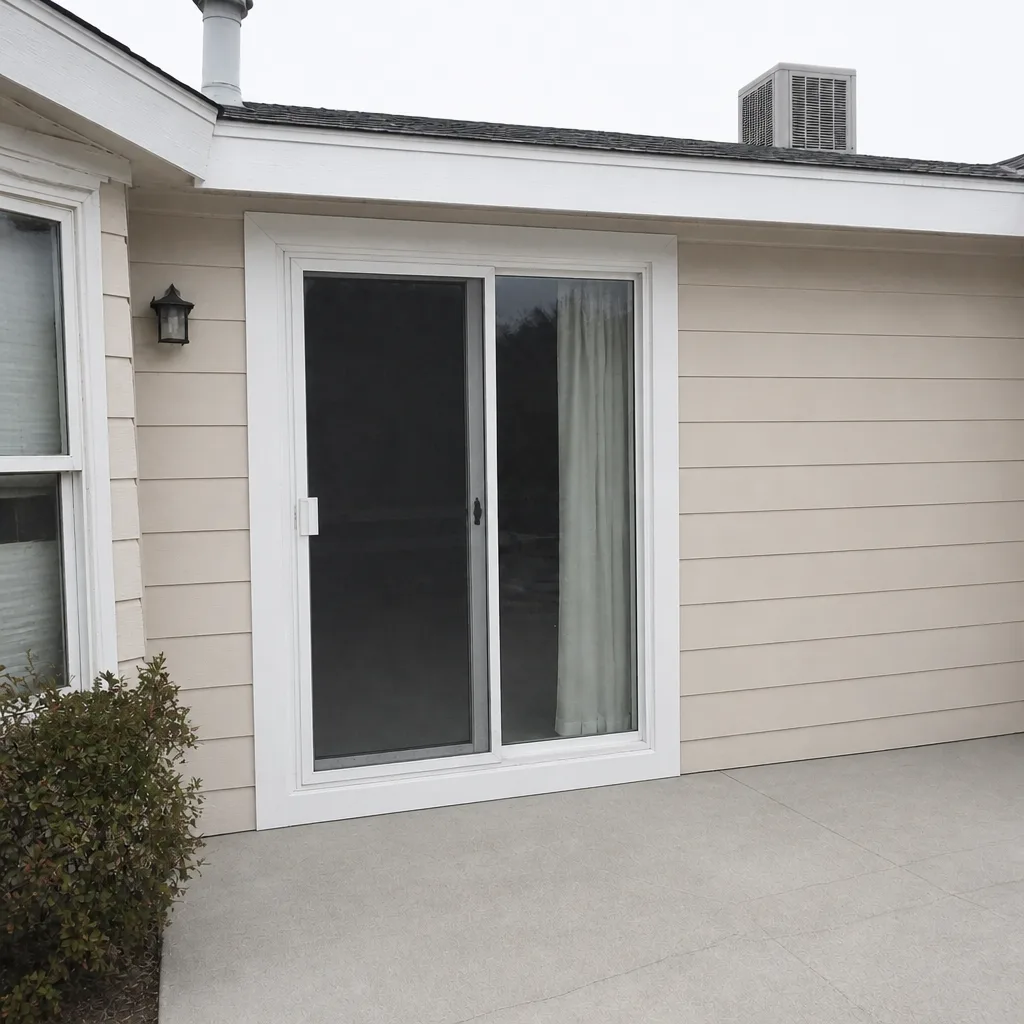
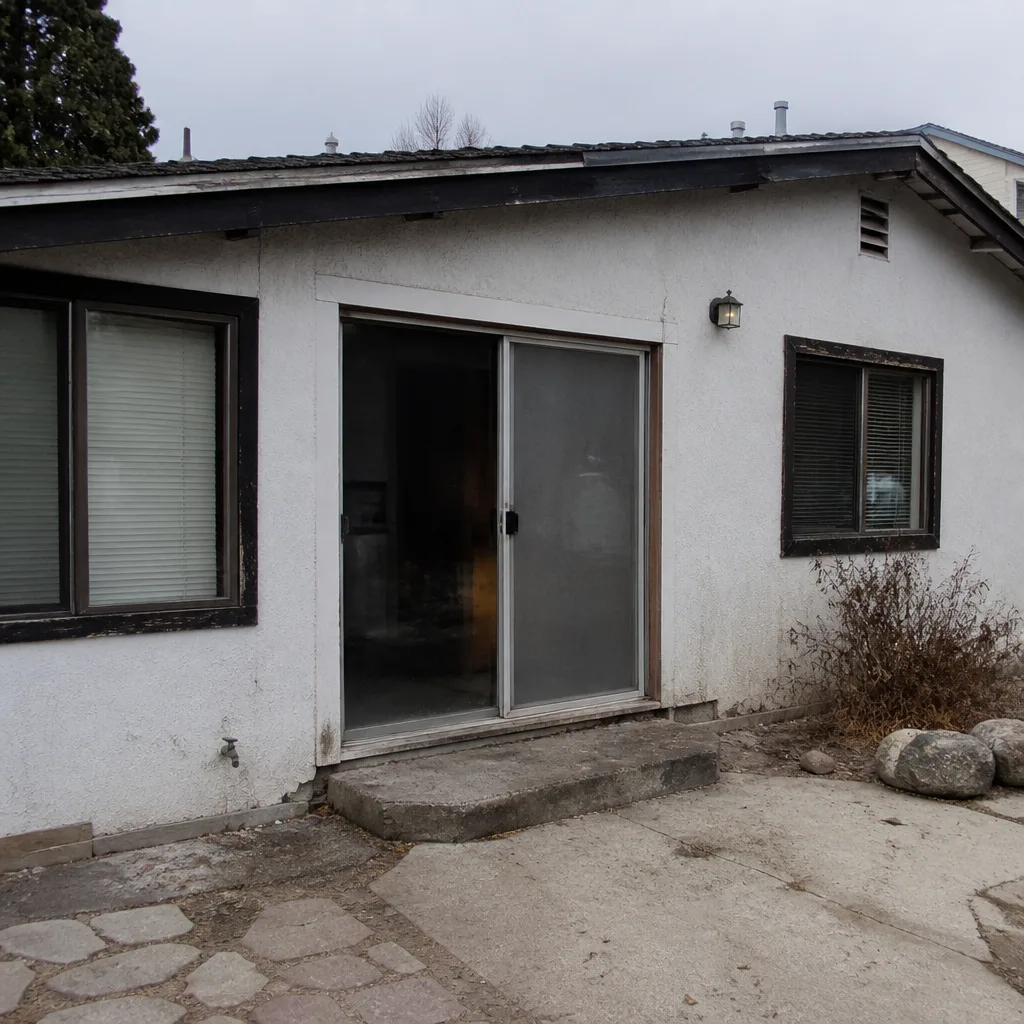
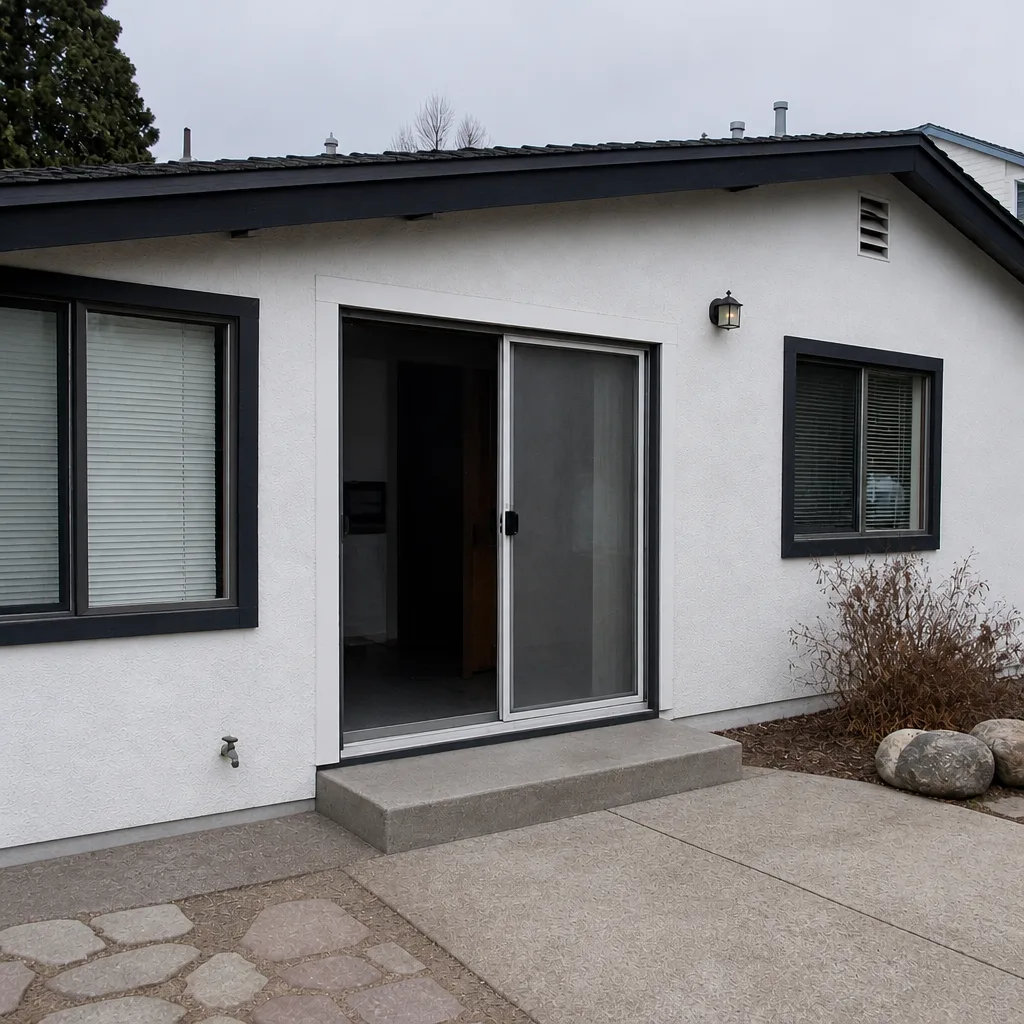
See the difference
 Before
 After
 Before
 After
 Before
 After
When to Call a Professional
Call a professional if water is getting in and you can’t find the source, if multiple windows on the same wall have failed, if the frame is cracking or bowing, or if you’re unsure whether the problem is the window or the wall. Call us if you’re weighing repair against replacement and want a second opinion that isn’t tied to one brand. Call if a window has fogged on a home that isn’t old, because that symptom needs a cause before it needs a quote. Call if the flashing on a stucco wall is suspect, or if you’ve caulked a leak twice and it’s back.
Spring Valley Windows & Doors offers free estimates in Spring Valley. Call (833) 549-7716. We answer 24/7. Fast dispatch from 7am to 7pm, Sunday through Friday. The estimate is free, and the price is set per job by a written line-item quote, so there’s no change order once work starts.
Frequently Asked Questions
A failed insulated glass seal, usually caused by pressure cycling from large day-night temperature swings. It has little to do with the window’s age and more to do with the spacer and sealant quality. A fogged unit can’t be re-sealed and needs replacement glass or a full window replacement. Call (833) 549-7716 for a free estimate on the correct fix.
Patterned problems on the same wall or elevation point to installation; isolated failures on otherwise sound windows point to product. Drafts, water intrusion, and binding sashes are usually installer issues. Fogging and glass cracks without impact are usually product.
That’s thermal expansion of the vinyl frame, not settling. In Spring Valley’s heat, frames flex through the day, and a gap that closes on a cooler morning confirms the diagnosis. The fix is usually a caulk joint designed to move with the frame, not a foundation repair. Call (833) 549-7716 if you want it checked.
Almost always flashing or weather barrier failure rather than the window itself. Water reaches the wall assembly at the head and jamb, and if the flashing wasn’t detailed properly, it finds a path inside regardless of how good the window is. The window has to come back out and the flashing rebuilt. Free estimates are available.
If it’s one window on a sound wall and the frame is in good shape, replacing just the glass unit is a reasonable repair. If multiple windows in the same batch have fogged, or the frame is also failing, full replacement is the better spend. Call for a free written estimate to compare the two options for your home.
Most jurisdictions require a permit for window replacement, and Spring Valley is no exception. The specific requirements depend on your municipality and the scope of work. We confirm the permit requirements for your project as part of the estimate, and no work starts until that’s settled.
Single-window repairs can often be done in one visit. Full replacement depends on the number of openings and the flashing work involved, and you’ll get a written schedule with the estimate. The price is fixed by the quote, with no change orders once the work starts.
A draft after replacement usually comes from the perimeter sealing or the rough-opening air barrier rather than the window itself. Properly installed windows from a brand like PGT, CGI, or ViewLux shouldn’t draft if the install was detailed correctly. Call for a free inspection and we’ll trace the air path. The Spring Valley team knows where this problem typically hides. We answer 24/7.
The Bottom Line
Most window problems in Spring Valley aren’t random. Fogged glass is a seal failure, seasonal frame gaps are thermal expansion, drafts are air-sealing problems, and water intrusion on a stucco home is nearly always flashing. Diagnose the symptom first, then decide whether you’re facing a repair, a warranty claim, or a replacement. If you’re anywhere near a threshold, get a second opinion from a contractor who runs more than one brand and will tell you honestly whether repair is worth the money. Call (833) 549-7716 for a free estimate. We answer 24/7. Fast dispatch from 7am to 7pm, Sunday through Friday. The written quote fixes the price per job, and it’s free.
Written by the team at Spring Valley Windows & Doors.