Last updated November 17, 2026
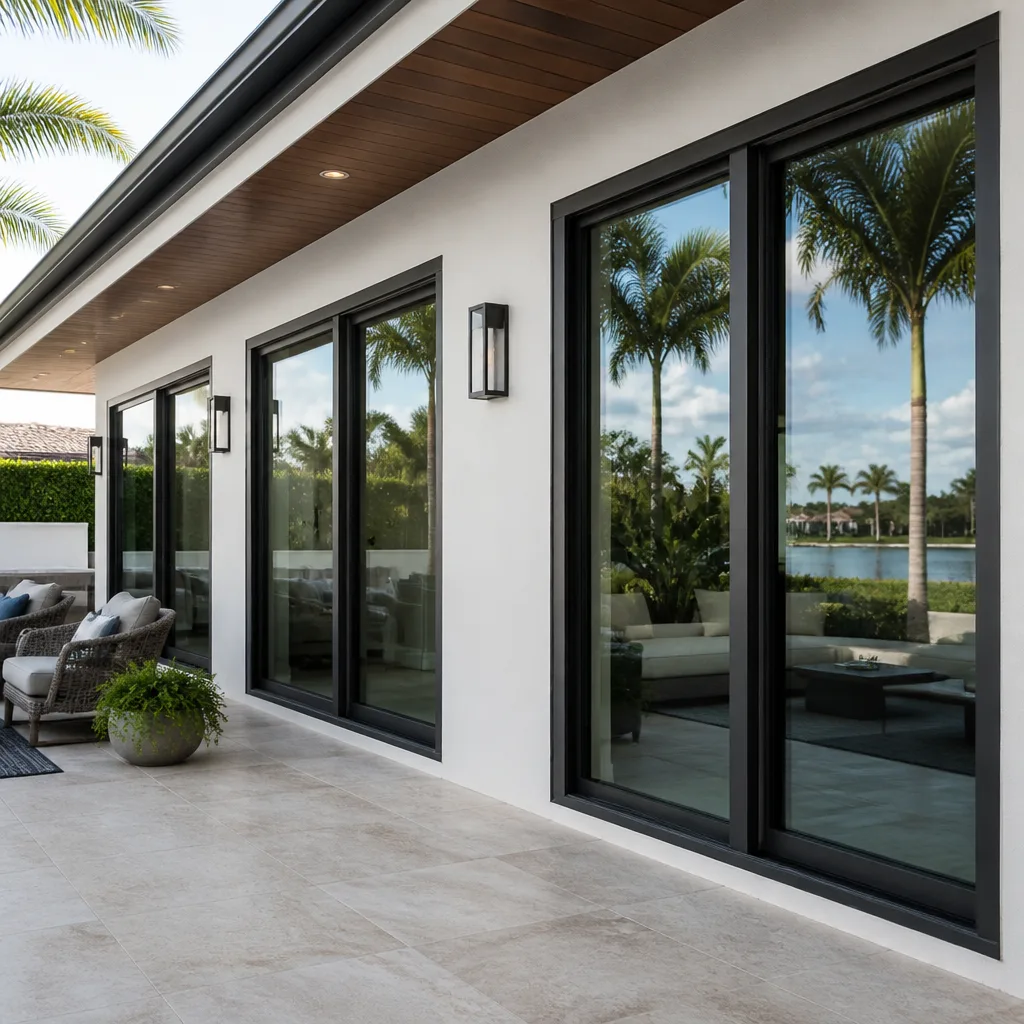
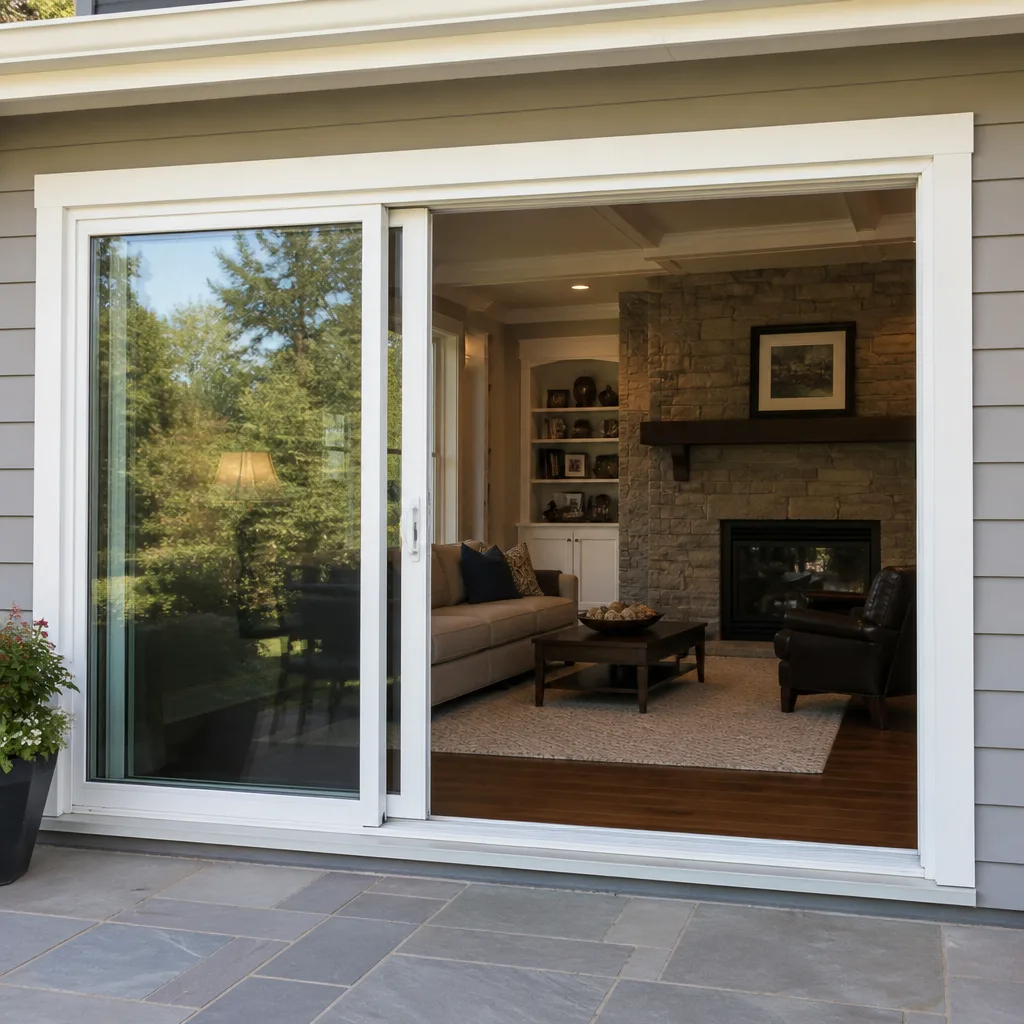 Sliding glass doors
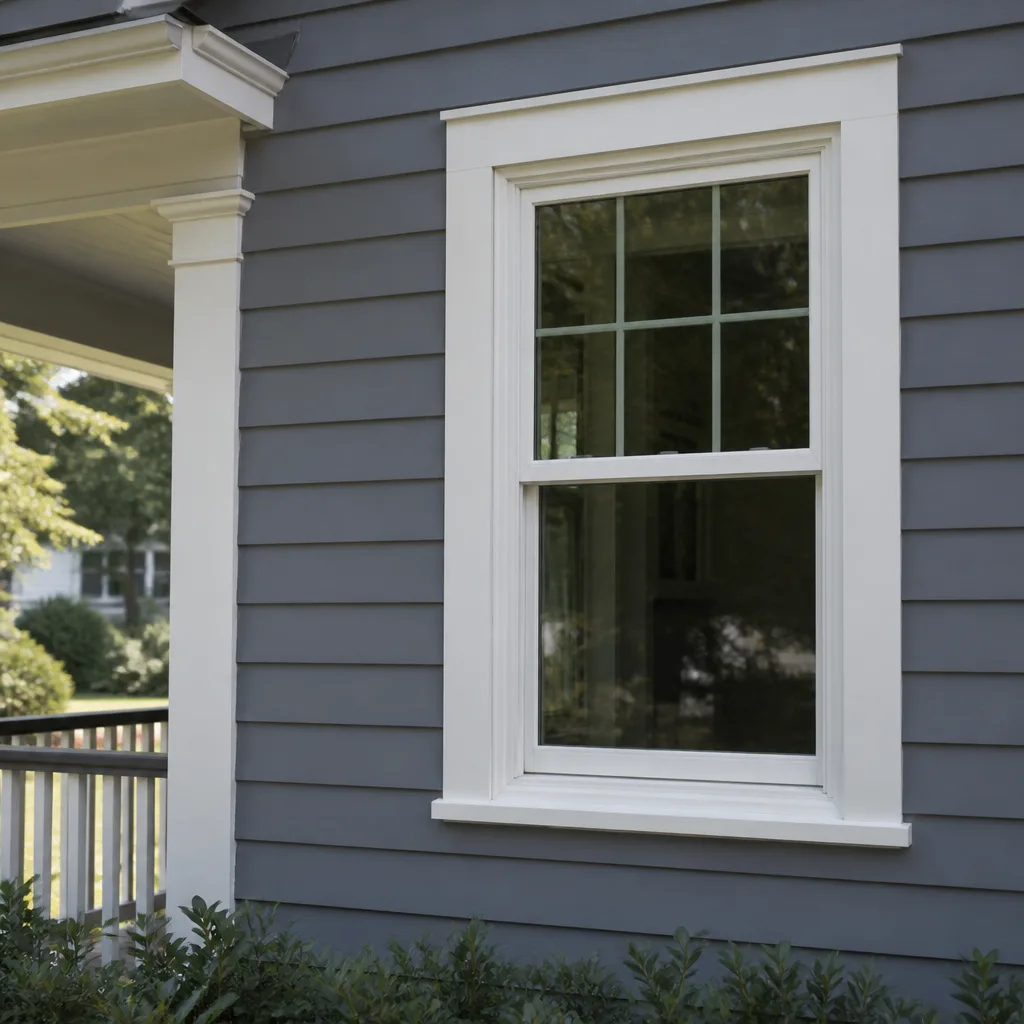 Single hung
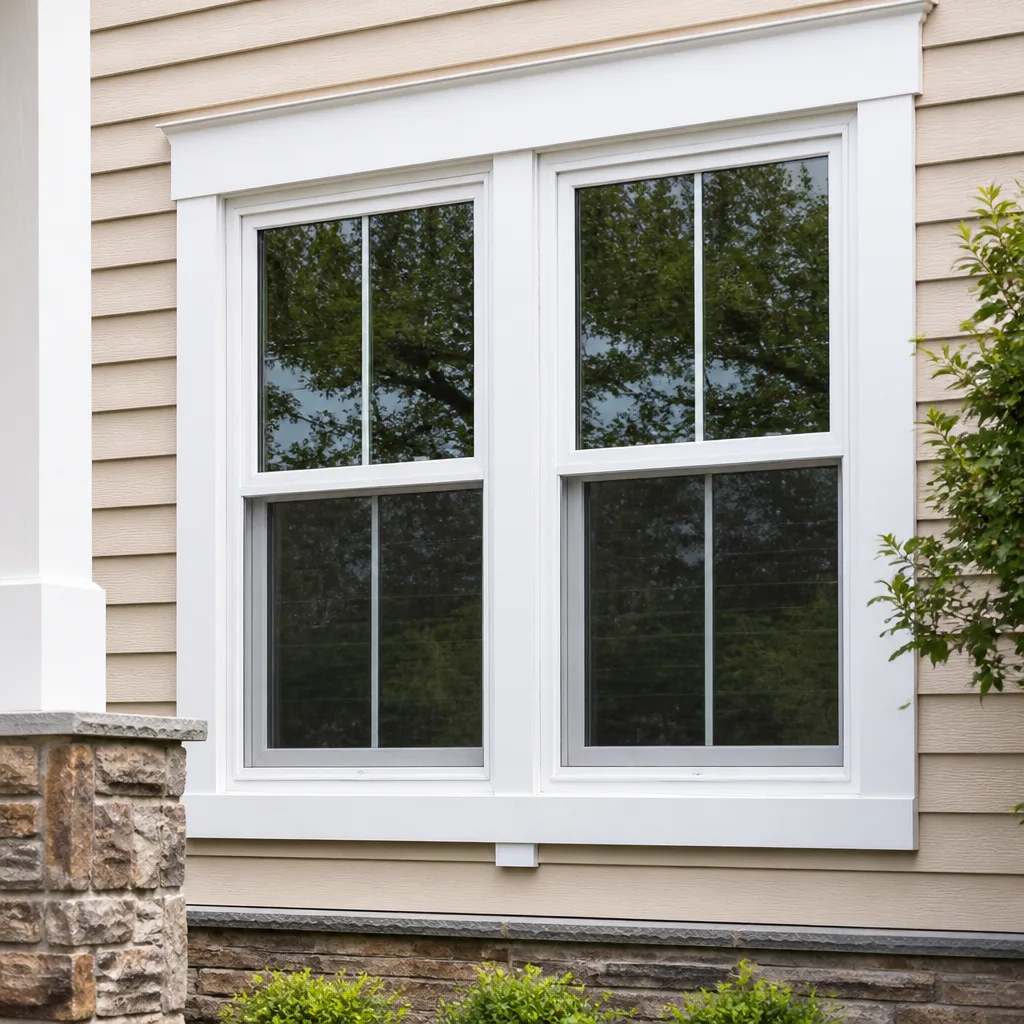 Double hung
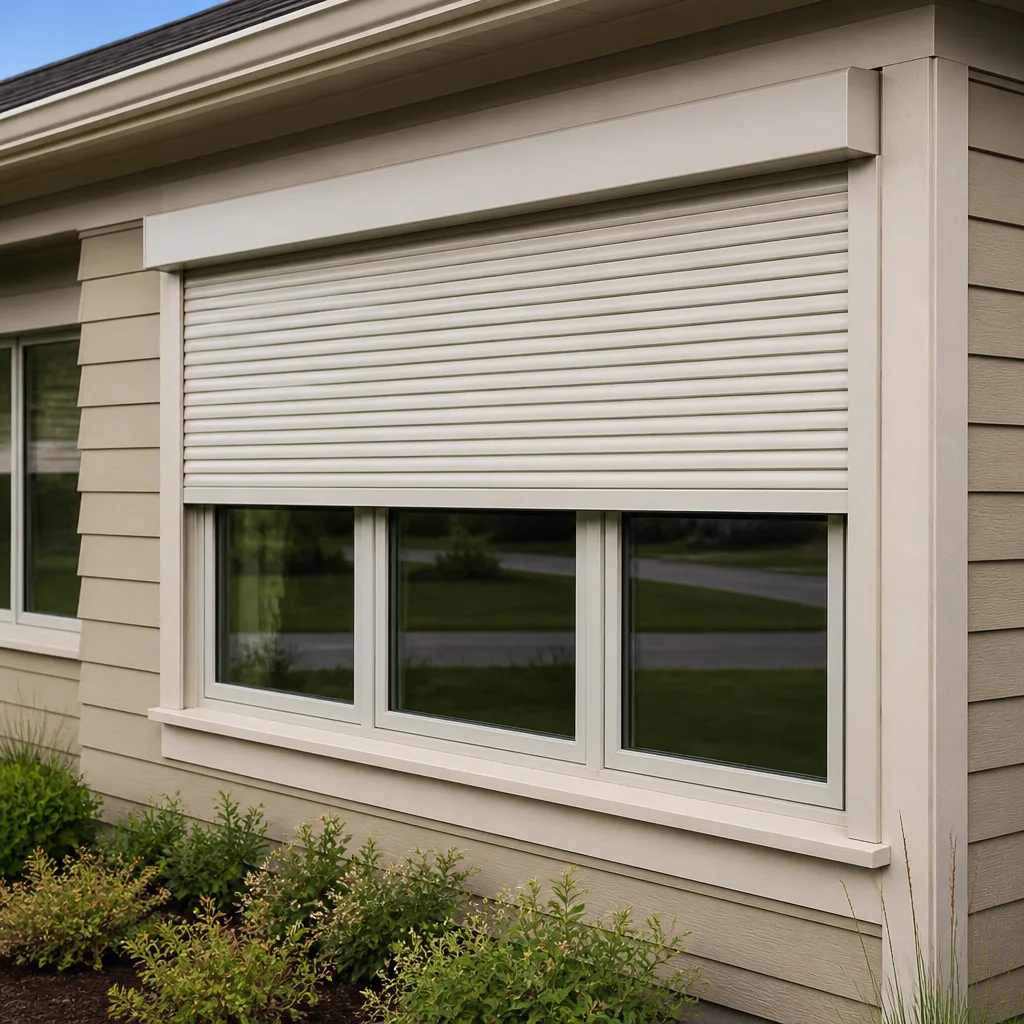 Horizontal roller
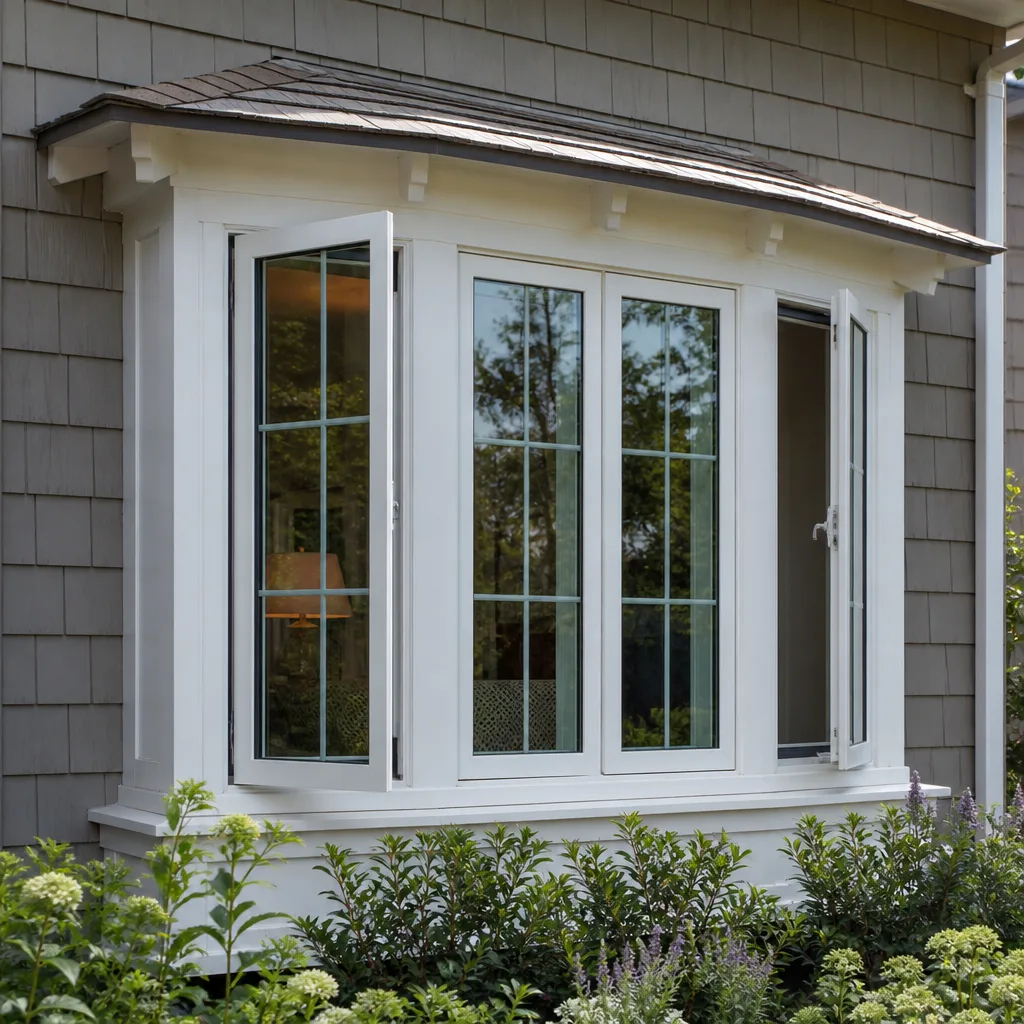 Casement
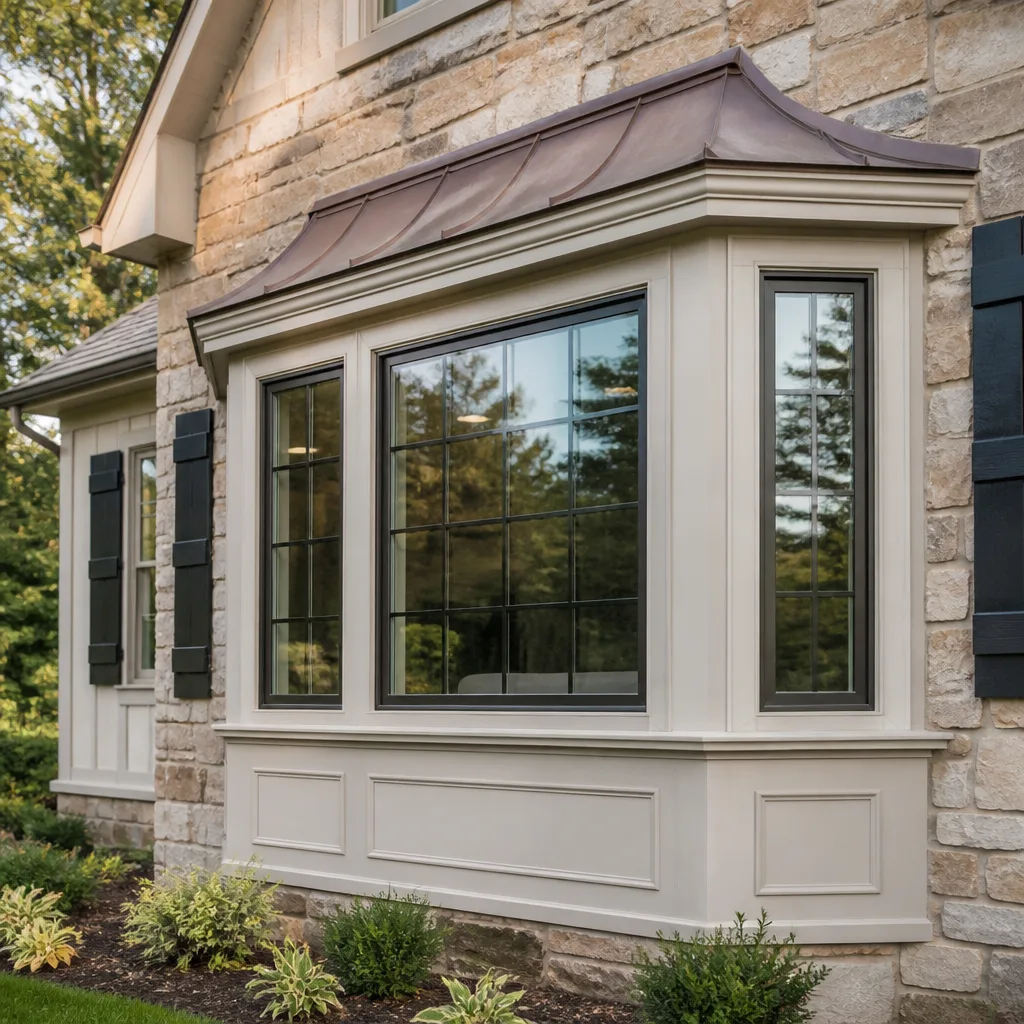 Bay & bow
 Entry doors
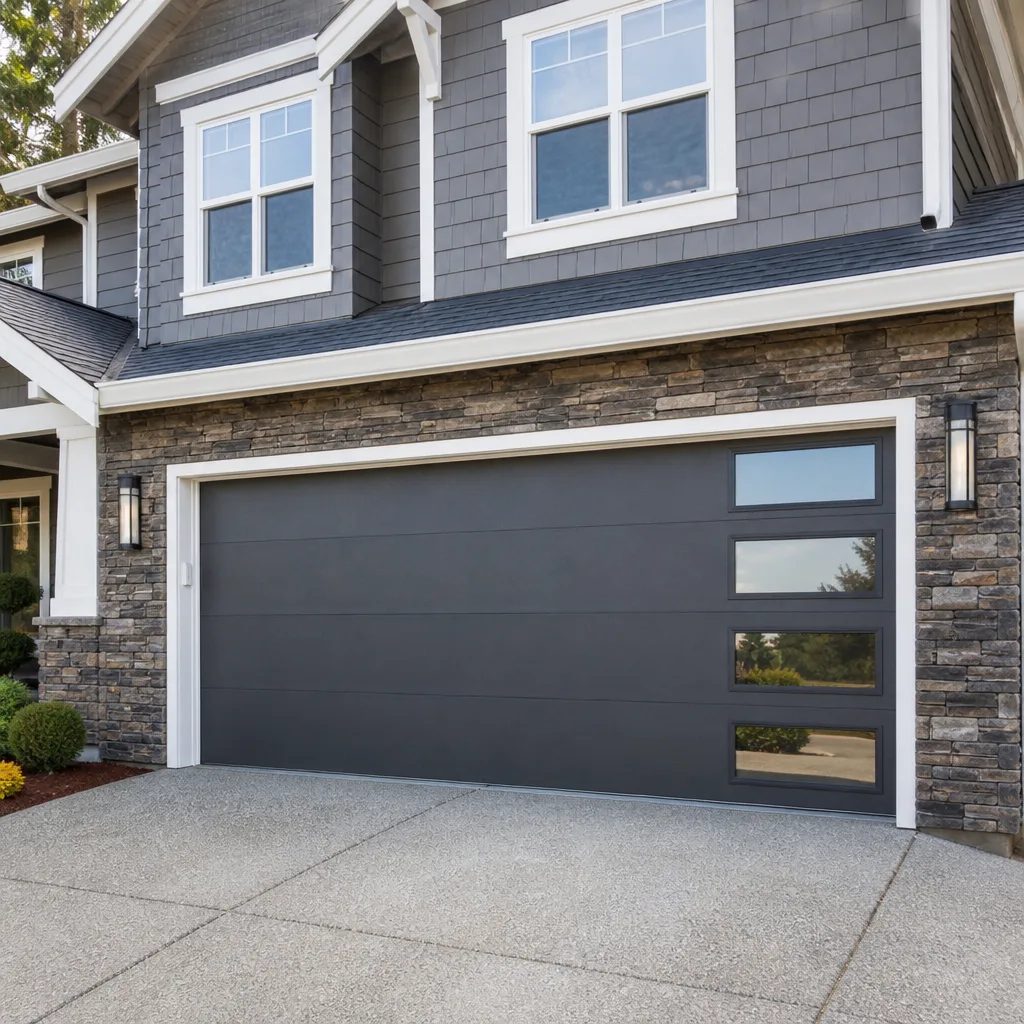 Impact garage doors
 PGT
 CGI
Free in-home measure and quote - PGT, CGI and CWS impact lines compared on your actual openings, style by style
Get your free estimateWindows & Doors Permits, Codes & Inspections in Spring Valley, NV: What You Need to Know
Most homeowners in Spring Valley believe that swapping a window for one the same size needs no paperwork. That belief is where trouble starts. A like-for-like replacement often is exempt in Clark County, but the moment the rough opening changes, a bedroom window has to meet egress rules, or the new unit has to prove it meets Nevada’s energy code, the job becomes a permitted project. Skip that step and the work stays unpermitted, which can surface during escrow when a title company flags it. A permit that costs a couple hundred dollars can turn into a re-inspection and remediation bill at the worst possible moment. This guide walks through exactly when a permit is required, what inspectors look for, how HOA approval sits separate from county approval, and what it takes to permit older work retroactively in Spring Valley.
Quick Answer
In Clark County, a window or door replacement is usually exempt from a permit only when the rough opening stays the same size, the unit is in a non-bedroom location, and the product meets Nevada’s energy code for replacement glazing. Any change to the opening size, any bedroom egress window, and any new door opening generally requires a permit and inspection. HOA architectural approval is a separate requirement and never substitutes for a county permit.
Styles & brands we work with
- Single hung
- Double hung
- Horizontal roller
- Casement
- Bay & bow
- Sliding glass doors
- Entry doors
- Impact garage doors
- PGT
- CGI
Table of Contents
- When does a window or door replacement need a permit in Clark County?
- What does Nevada’s energy code require for replacement windows?
- Egress windows: the bedroom rule that catches homeowners off guard
- HOA approval vs. county permit: why you need both
- What inspectors actually check on a window or door installation
- The installation paperwork that makes an inspection go smoothly
- How to permit previously unpermitted window work
- Why unpermitted work shows up at resale
When does a window or door replacement need a permit in Clark County?
A replacement window needs a permit in Clark County when the rough opening size changes, when it serves a bedroom and must satisfy egress, or when the installation is part of a larger alteration to the wall or framing. A straight swap of a same-size unit in a living room or kitchen generally does not require one. That is the short answer. The long answer is where most confusion lives.
Three triggers convert what looks like a simple replacement into a permitted project:
- Rough opening size change. Widening or heightening the framed opening is structural work. It touches the header, the framing, and sometimes the exterior sheathing. That makes it a permit item in Clark County, no exceptions. Even a few inches of added width counts.
- Egress compliance. Any bedroom window that serves as the emergency escape opening has to meet the current code’s clear opening dimensions. If the old window was undersized and the new one corrects that, the change is treated as an improvement to the means of escape and gets reviewed.
- Energy code compliance. Nevada’s energy code, modeled on the IECC, sets minimum performance thresholds for replacement glazing. When a permit is pulled, the product’s rated values have to be documented. That documentation becomes part of the inspection record.
Door replacements follow a similar pattern. A pre-hung door that fits the existing opening and matches the original size is often exempt. A door that changes the opening, converts a window to a door, or adds a new exterior opening is a permitted job.
Homeowners in Spring Valley who live in the older single-story neighborhoods often assume a like-for-like rule applies because the homes were built to a certain era’s standards. Current code doesn’t care what the home was built to. It cares about what you’re installing today. Ask your city’s building department for a straight answer on your specific address before ordering product, and ask us for a written scope so the two line up.
One more point that catches people: the permit is not the same as the inspection. A permit is authorization to do the work. The inspection is the county verifying the work matches what was authorized. Both steps exist for a reason, and skipping either one leaves a paper trail that says “unpermitted” on your property record.
What does Nevada’s energy code require for replacement windows?
Nevada’s energy code, based on the IECC, sets minimum performance thresholds for replacement windows expressed as U-factor and Solar Heat Gain Coefficient (SHGC). U-factor measures how fast heat escapes. SHGC measures how much solar heat the glass lets in. Replacement windows in this climate are typically held to a U-factor at or below 0.40 and an SHGC at or below 0.25, though the exact figure depends on the code edition in force for your jurisdiction and the size of the glazed area relative to the wall. Confirm the current numbers with Clark County before you buy.
Why does this matter more in Spring Valley than in a mild coastal market? Because cooling dominates the energy bill here. A window with a high SHGC lets the desert sun pour heat into the living space all summer, and no amount of air conditioning fully offsets that. Low-SHGC glazing on west- and south-facing windows is where the savings actually come from.
How to verify a product meets the requirement before purchase:
- Ask for the manufacturer’s published U-factor and SHGC for the exact model, glass package, and frame material you’re buying. Values change with the glass and frame combination.
- Ask for the NFRC label or the NFRC-certified performance data. That is the number code officials recognize.
- Match the model number on the quote to the model number on the performance data. A dealer certificate that lists a similar model isn’t the same thing.
- Keep the paperwork. If a permit is pulled, the rating documentation goes into the inspection file.
Multiple brands in our line carry energy-focused glass packages, including ES Windows and ECO Window Systems, which are built around thermal performance. If you’re weighing options, ask us to show you the actual rated values side by side for the models that fit your openings. The product should meet your home’s spec, not the spec of whichever line happens to be easiest to order. For a closer look at how window replacement handles the documentation side, that page walks through the paperwork flow.
Egress windows: the bedroom rule that catches homeowners off guard
Every sleeping room in Nevada needs at least one operable window that serves as the emergency escape and rescue opening. The code sets a minimum clear opening for that window, and the number is not negotiable. If the new window can’t open wide enough or tall enough to let an adult through, it fails the egress test and the installation is not code-compliant, whether or not a permit was pulled.
Here’s where the trap sits. A homeowner orders a beautiful fixed-pane or narrow-casement window for a bedroom because it looks better or fits the wall. The window is fine on its own. It is not fine as the only escape opening in a bedroom. The inspection fails or, worse, the work never gets inspected and the deficiency sits on the property record until a buyer’s inspector finds it.
What to check before ordering a bedroom window:
- The window is operable. Fixed glass does not count as an escape opening in most cases, even in a bedroom with a second egress window.
- The clear opening meets the current code minimum for width and height. That figure is set by code, so confirm it with the building department for your code cycle rather than relying on a product sheet.
- The sill height above the finished floor falls within code limits.
- Any window well or obstruction outside the opening doesn’t block the escape path.
In Spring Valley, the single-story homes in the older tract neighborhoods often have bedroom windows that were sized to the standards of the era they were built. When a homeowner replaces one of those windows, the current egress standard governs the new unit, not the old one. The practical result is that a “same size” replacement of a bedroom window may not actually be same-size once egress is factored in. That’s the moment the job becomes a permitted project, and it’s the single most common surprise we walk homeowners through.
If your home has an addition or a converted room that was never permitted as a bedroom, the egress question gets a second layer. A room labeled as a bonus room on the property record isn’t held to the bedroom egress standard, but the moment it’s marketed as a bedroom at resale, it is. Sort that out before you order windows, not after.
HOA approval vs. county permit: why you need both
HOA architectural approval and a Clark County permit are two separate processes with two separate purposes. The HOA controls how the outside of your home looks within the community. The county controls whether the structure is safe and code-compliant. Getting one does not get you the other, and one does not substitute for the other.
Plenty of Spring Valley communities have architectural review committees that require a submittal before any exterior change, including window and door replacement. The submittal usually asks for:
- The product specification sheet, including frame color, glass type, and visible grid pattern
- A drawing or photo showing the proposed unit in place
- The contractor’s information and scope of work
- Timeline for the work, so the committee can track it
The HOA can approve a product that the county then rejects on energy code grounds, or deny a product that would pass every inspection. The two don’t talk to each other. That’s on you to coordinate. For a replacement where a permit is also required, both approvals need to be in hand before product is ordered, because the lead time on some product lines runs weeks.
If the county requires a permit and the HOA doesn’t require approval, skip the HOA and pull the permit. If the HOA requires approval and the county doesn’t require a permit, skip the county and get the HOA sign-off. If both require it, get both. If you’re not sure which requirements apply to your address, the HOA management company can confirm the architectural rules and the county can confirm the permit rule. Our team can help you read both sets of requirements before you commit to a product, and we’re happy to lay out the Spring Valley Windows & Doors approach in plain language.
One more wrinkle: some HOAs require approval before any work starts, including measuring. If you’re in one of those communities, get the approval first. Ordering product with the wrong frame color because the HOA was never consulted is an expensive lesson.
What inspectors actually check on a window or door installation
A window or door inspection in Clark County focuses on three things: the rough opening and framing, the flashing and weather sealing, and the product’s rated performance documentation. The inspector isn’t grading your taste. They’re confirming the opening was built correctly and the product meets the code minimum.
The typical check list looks like this:
- Framing and header integrity. The header over the opening has to be sized for the span. A widened opening with an undersized header fails.
- Rough opening dimensions. The opening has to match the installation instructions for the product. Too tight causes binding. Too loose voids the flashing detail.
- Flashing and drainage plane. The exterior flashing has to integrate with the weather-resistive barrier. This is where most water intrusion problems start, and inspectors know it.
- Shimming and anchoring. The unit has to be plumb, level, and square, and anchored per the manufacturer’s instructions. Inspectors check for fasteners at the correct spacing.
- Insulation and air sealing. The gap between the rough opening and the frame has to be insulated and sealed, usually with low-expansion foam or a backer rod and sealant.
- Energy performance documentation. The NFRC-rated values for the installed product have to match the permit application. If you replaced a window with a unit that doesn’t meet the code minimum, this is where it’s caught.
- Egress verification on bedroom windows. The clear opening dimensions are measured on-site. This is the one homeowners most often fail on a first inspection.
For door installations, the inspector additionally checks the threshold and sill pan, the door’s rated energy performance if it’s an exterior door, and the anchoring at the jamb. A pre-hung door that isn’t anchored correctly at the hinge side will sag, and inspectors flag the anchor pattern, not just the sag.
What makes an inspection go smoothly? Preparation. The manufacturer’s installation instructions on site, the flashing detail documented with photos, the product rating sheet in the file, and a clean work area. In our experience, the jobs that pass on the first walk-through are the ones where the installer treated the installation instructions as the authority, not a suggestion. If you want to see how we approach window installation with that inspection in mind, that page covers the process step by step.
The installation paperwork that makes an inspection go smoothly
Good documentation is the difference between an inspection that takes twenty minutes and one that drags across multiple visits. The paperwork that matters falls into three groups.
Product documentation. The NFRC label or certified performance data for the exact model installed. The manufacturer’s installation instructions for that product line. The warranty document, which sometimes matters if a question comes up later. If your installer is working with a line like CWS or Mr-Glass, the product documentation is specific to that model, not a generic certificate.
Installation documentation. Photos of the rough opening before the window went in. Photos of the flashing sequence. Photos of the anchored unit before trim goes on. This is the single most useful thing to have if anything is questioned later. Most inspectors will accept a documented installation without digging deeper, and a documented installation is a much better defense at resale than a verbal memory.
Permit and inspection record. The permit number, the inspection card, and the final sign-off. Keep these with your home records. They become the proof that the work was authorized and inspected.
What we recommend to every Spring Valley homeowner planning a permitted replacement: ask for the documentation package at the start of the project, not after. It should include the product spec sheet with the rated values, the flashing detail, the anchor pattern, and the name of the person responsible for the final inspection sign-off. If your contractor can’t produce that package on request, ask why.
We keep the documentation tied to the product and the opening, which matters when a home has units from more than one line. A home with ES Windows on the south face and ECO Window Systems on the west face needs the rating docs for both, and the inspector will check both.
How to permit previously unpermitted window work
Permitting previously unpermitted window work is possible in Clark County, and the process is more straightforward than most homeowners expect. It requires an application, a plan review of what was installed, an inspection to verify the installation matches, and payment of permit fees plus any penalty the jurisdiction applies for work done without a permit. The structural check is the part that sometimes forces remediation.
The typical sequence:
- Request a records search. Pull the permit history for the address. This tells you what was permitted, when, and what was never closed out. Sometimes work was permitted but never finaled, which is a simpler fix than no permit at all.
- Document what’s installed. Photograph the units, note the model numbers if visible on the frame label, and gather any paperwork from the original installation. If the models aren’t labeled, the inspector may ask for the rated values from a different source.
- Submit the retroactive permit application. The county reviews what was installed against current code. This is where egress and energy code compliance get checked, even for work done years ago.
- Schedule the inspection. The inspector verifies the installation on site. Flashing, anchoring, insulation, and egress are the usual check points.
- Address any corrections. Common corrections include adding flashing detail, re-securing anchors, and replacing an undersized bedroom window with one that meets egress.
- Get the final sign-off. Once the work passes, the permit closes and the property record is updated.
What it costs depends on the scope, the number of openings, and the jurisdiction’s fee schedule for unpermitted work. The remediation is where the variability sits, because a window that fails egress may need to be replaced outright. That is the scenario where the “save the permit fee” reasoning falls apart: the difference between a same-size egress-compliant unit and a non-compliant one can be the entire project.
If you’re buying a home in Spring Valley and the inspection report flags windows as unpermitted or of unknown status, get the permit history pulled before closing. It’s cheaper to negotiate a credit than to handle the remediation after you own it. If you’re selling and you know a prior window replacement was never permitted, start the process early. A closed permit at closing is worth more than a verbal assurance.
Why unpermitted work shows up at resale
Unpermitted work shows up at resale because title companies and buyer’s inspectors both look at the permit history, and Clark County’s records are public. A title search can flag open permits, missing final inspections, and work that was never permitted at all. The buyer’s inspector then verifies the flagged items on site, which means the deficiency gets documented twice.
What actually happens when a buyer’s inspector finds unpermitted windows:
- The buyer asks for a repair credit or a price reduction
- The buyer asks the seller to permit the work retroactively before closing, which can delay the closing by weeks
- The lender may decline to finance if the open permit or unpermitted work affects the insurability of the property
- The deal falls through and the seller starts over with a disclosed issue
The cascading effect is the real cost. A permit that costs a couple hundred dollars turns into a negotiation at the worst possible moment, on the wrong side of the table. In our experience walking Spring Valley homeowners through replacements, the homes that close cleanly are the ones where the paperwork was complete before the listing went live. The ones that stall are the ones where the work was done on a handshake and a memory.
If you’re planning a replacement and want to avoid adding a resale problem to the list, the simplest approach is to confirm the permit requirement before ordering product. The permit question comes before the product question, not after. That sequencing is where we start every Spring Valley project, because it saves the homeowner from discovering the problem at the wrong end of the job.
Common Mistakes to Avoid
- Assuming “same size” means “no permit.” A bedroom window that was undersized when the home was built is a new-size project the moment you correct the egress. The size on the old frame isn’t the standard; the code is.
- Getting HOA approval and stopping there. HOA sign-off is about appearance. It doesn’t satisfy the county, and a county inspector will still flag a missing permit on a job that required one.
- Ordering product before confirming the energy rating. If the NFRC values don’t meet the code minimum, the inspection fails and in some cases the window has to come back out. Match the product spec to the code requirement before you commit.
- Treating the permit as the only paperwork. The inspection also needs the installation documentation. Photos of the rough opening, flashing, and anchoring are what get you through the walk-through.
- Skipping the records search on a home purchase. Pulling the permit history takes less time than a closing delay. Do it before escrow closes, not after.
- Not finaling a permit. A permit that was pulled but never inspected and closed is almost as bad as no permit at all at resale. The open record follows the property.
- Choosing a product before choosing the scope. Whether the opening stays the same size, whether the room is a bedroom, and whether the HOA has a say all shape which product actually works. Pick the scope first.
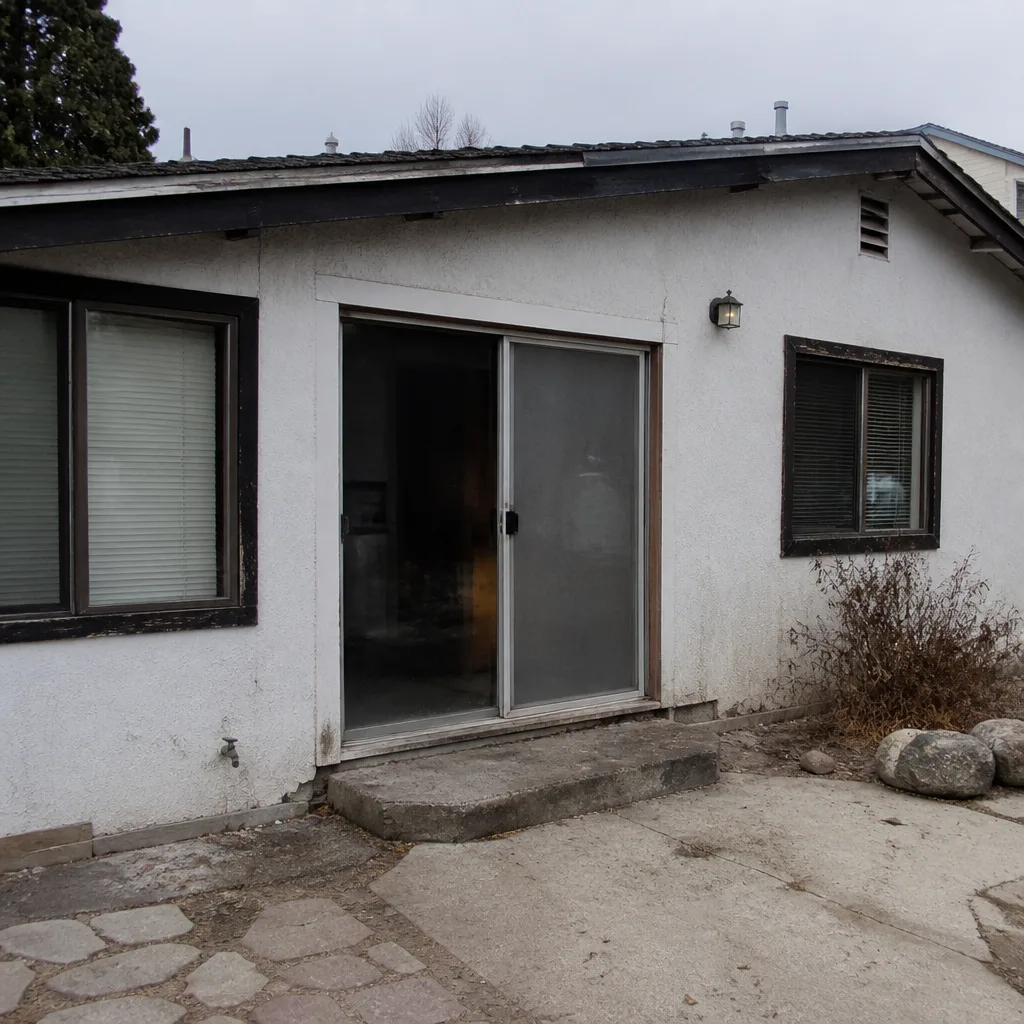
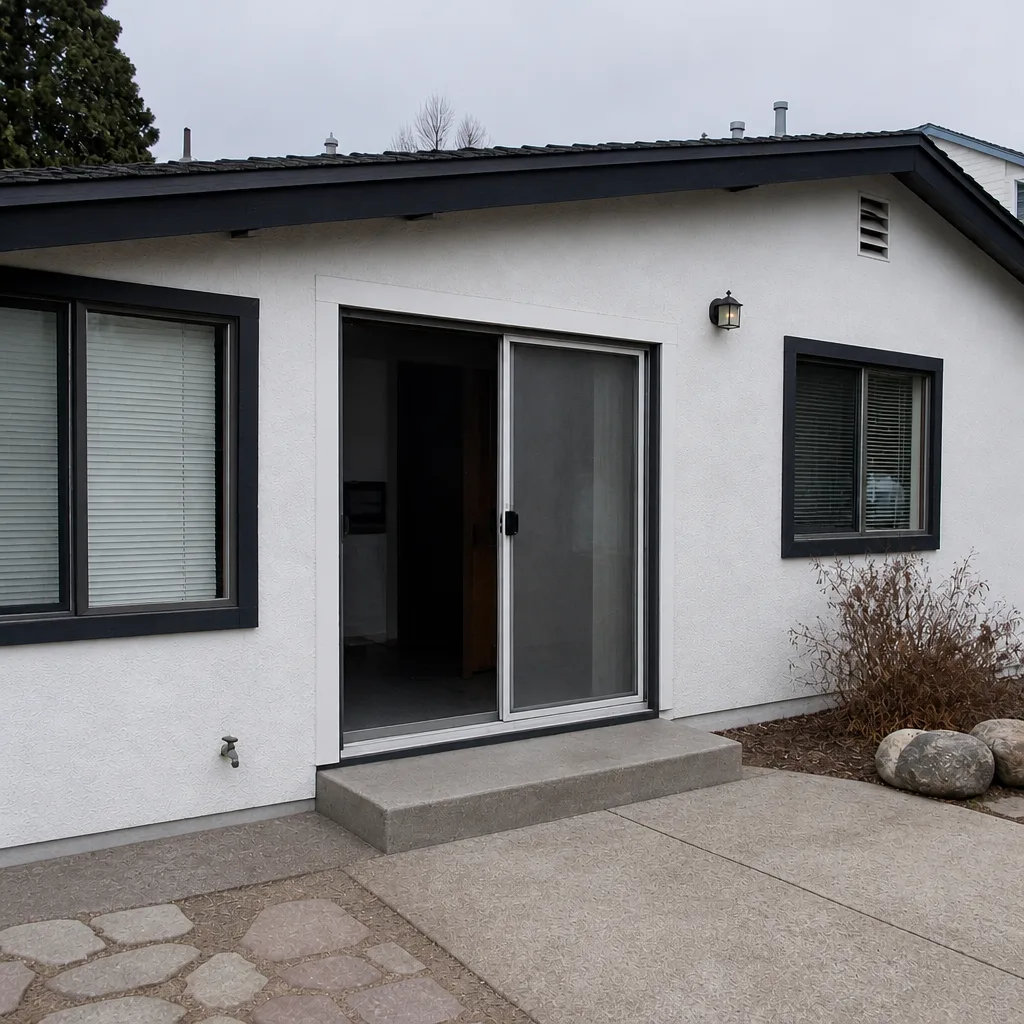
See the difference
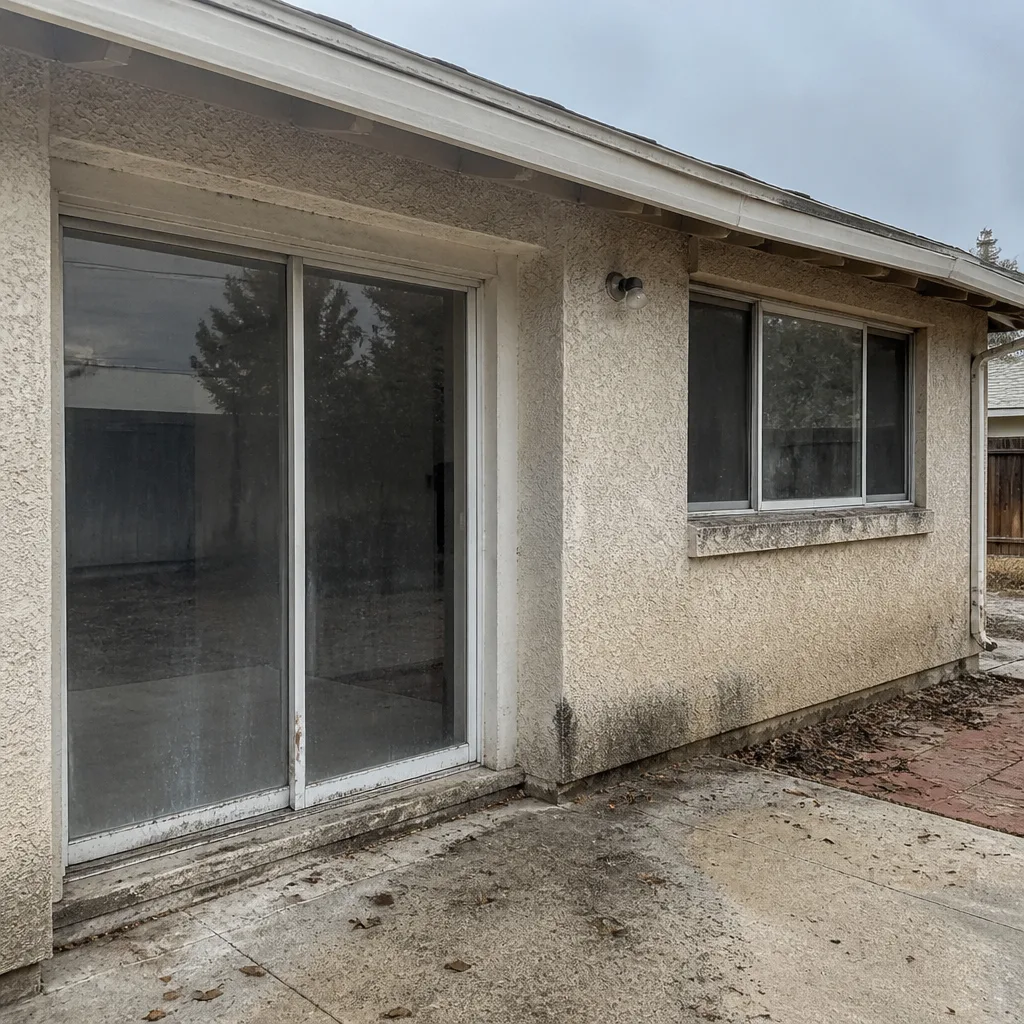 Before
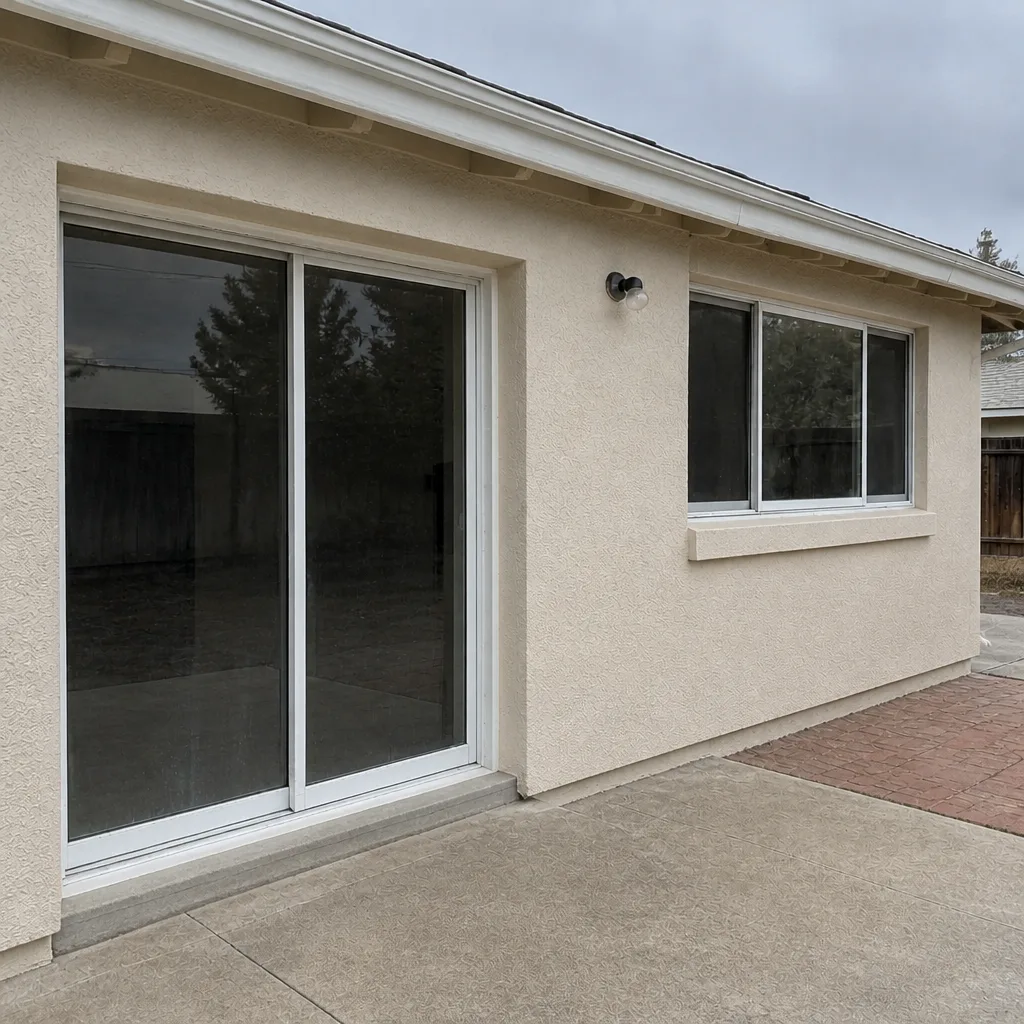 After
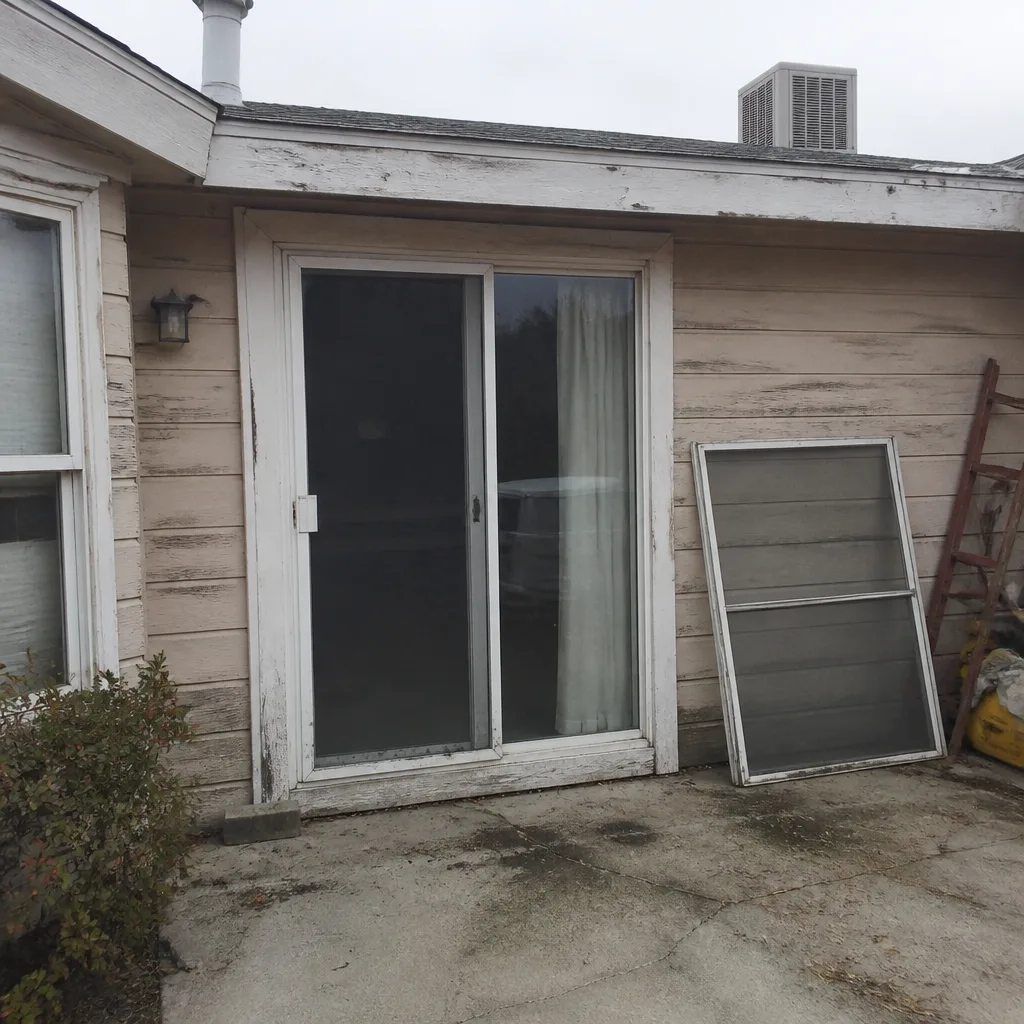 Before
 After
 Before
 After
When to Call a Professional
Call a professional when the project involves any of the following: a change to the rough opening size, a bedroom window that needs to meet egress, a door that adds a new exterior opening, a home in an HOA community that requires architectural review, or a prior replacement with unknown permit status. These are the situations where an experienced installer’s input on the scope saves more than it costs. Installation itself is not a homeowner project when the frame is getting modified, the header is getting touched, or the flashing detail has to integrate with the weather-resistive barrier. Those are the failure points that lead to water intrusion, failed inspections, and resale problems.
Spring Valley Windows & Doors offers free estimates in Spring Valley. Call (833) 549-7716. We answer 24/7. Fast dispatch from 7am to 7pm, Sunday through Friday. Our technicians have up to 10 years of experience, and we can talk through the permit requirement, the energy spec, and the HOA submittal in one conversation so you’re not coordinating three separate answers.
Frequently Asked Questions
It depends on three things: whether the rough opening size stays the same, whether the window is in a bedroom and has to meet egress, and whether the product meets Nevada’s energy code. A same-size replacement in a non-bedroom location that meets the energy code generally does not require a permit. Any change to the rough opening, any bedroom egress window, and any new door opening generally does. Call (833) 549-7716 for a free estimate, and we’ll help you confirm what your specific project needs.
Often yes, but “same size” gets tested more than homeowners expect. The size that matters is the rough opening, not the visible glass. A bedroom window that gets replaced at the same dimensions but still fails the current egress standard is a problem whether or not a permit was pulled. If the window is the only egress opening in a sleeping room, get a professional opinion before you order. Call (833) 549-7716 with the dimensions and we’ll tell you what we’d advise.
No. HOA architectural approval and Clark County permits are two separate processes with two separate purposes. The HOA controls the appearance of the exterior. The county controls safety and code compliance. You may need both, and one does not substitute for the other. In Spring Valley, many communities require HOA submittal before any exterior change, so check with the HOA management company for the architectural rules and with the county building department for the permit rule.
Unpermitted work shows up during a title search or a buyer’s inspection, and it can delay or block a closing. The fix is to permit the work retroactively, which involves a records search, a plan review, an inspection, and any corrections the inspector flags. The most common correction is an undersized bedroom window that has to be replaced to meet egress. Starting the process before going on the market is almost always cheaper than negotiating a credit. Call (833) 549-7716 if you want an estimate on replacement or remediation options.
Nevada’s energy code, based on the IECC, sets minimum performance thresholds for replacement glazing, and in this climate the figures most often cited are a U-factor at or below 0.40 and an SHGC at or below 0.25. The exact number depends on the code edition in force for your jurisdiction and the ratio of glazed area to wall area, so confirm it with the building department before ordering. Because cooling loads dominate in Spring Valley, low-SHGC glass on west- and south-facing windows is where the actual savings come from. Call (833) 549-7716 for a free estimate and we’ll show you the rated values on the models that fit your openings.
Framing and header integrity, rough opening dimensions, flashing and drainage, anchoring and shimming, insulation and air sealing, the product’s energy performance documentation, and bedroom egress dimensions on site. Doors get the threshold and sill pan checked in addition. A clean first inspection comes down to good documentation and an installer who followed the manufacturer’s instructions. Call (833) 549-7716 if you want a scope that’s built around passing the inspection the first time.
The Bottom Line
Permits for window and door work in Clark County aren’t a blanket yes or no. A same-size replacement in a non-bedroom location often skips the permit. A bedroom window that has to meet egress, a rough opening that changes size, and a product that has to prove energy code compliance all flip the job into a permitted project. HOA approval is a separate requirement and never a substitute. Documentation, egress verification, and energy ratings are what inspectors focus on, and retroactive permitting is possible but more expensive than doing it right the first time. The permit question comes before the product question, every time. If you’re in Spring Valley and want the scope figured out before you order, we’re glad to help.
Ready to price your project? Call (833) 549-7716 for a free estimate. We answer 24/7. Fast dispatch from 7am to 7pm, Sunday through Friday. We work with eight product lines and match the product to your home, not to our inventory, so the scope, the energy spec, and the permit need all line up before you commit.
Written by the team at Spring Valley Windows & Doors.