Last updated November 17, 2026
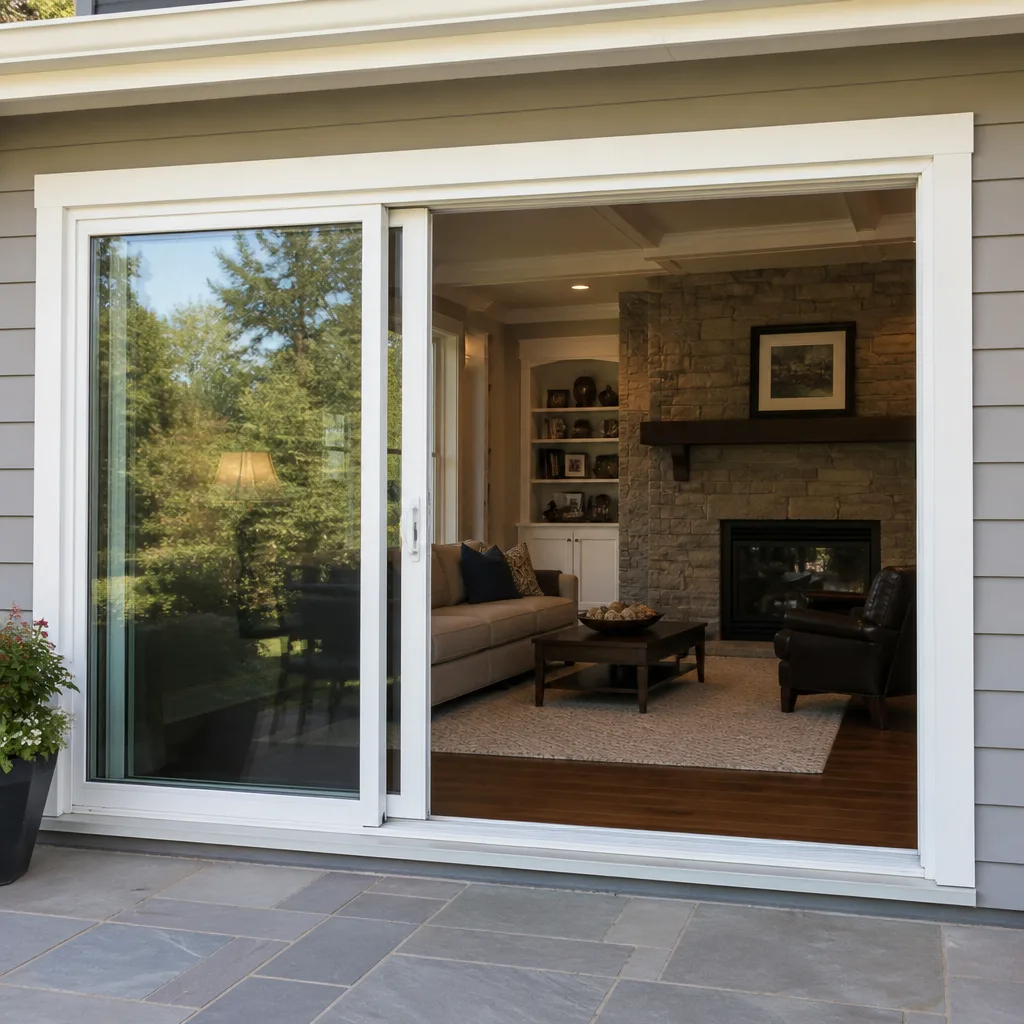 Sliding glass doors
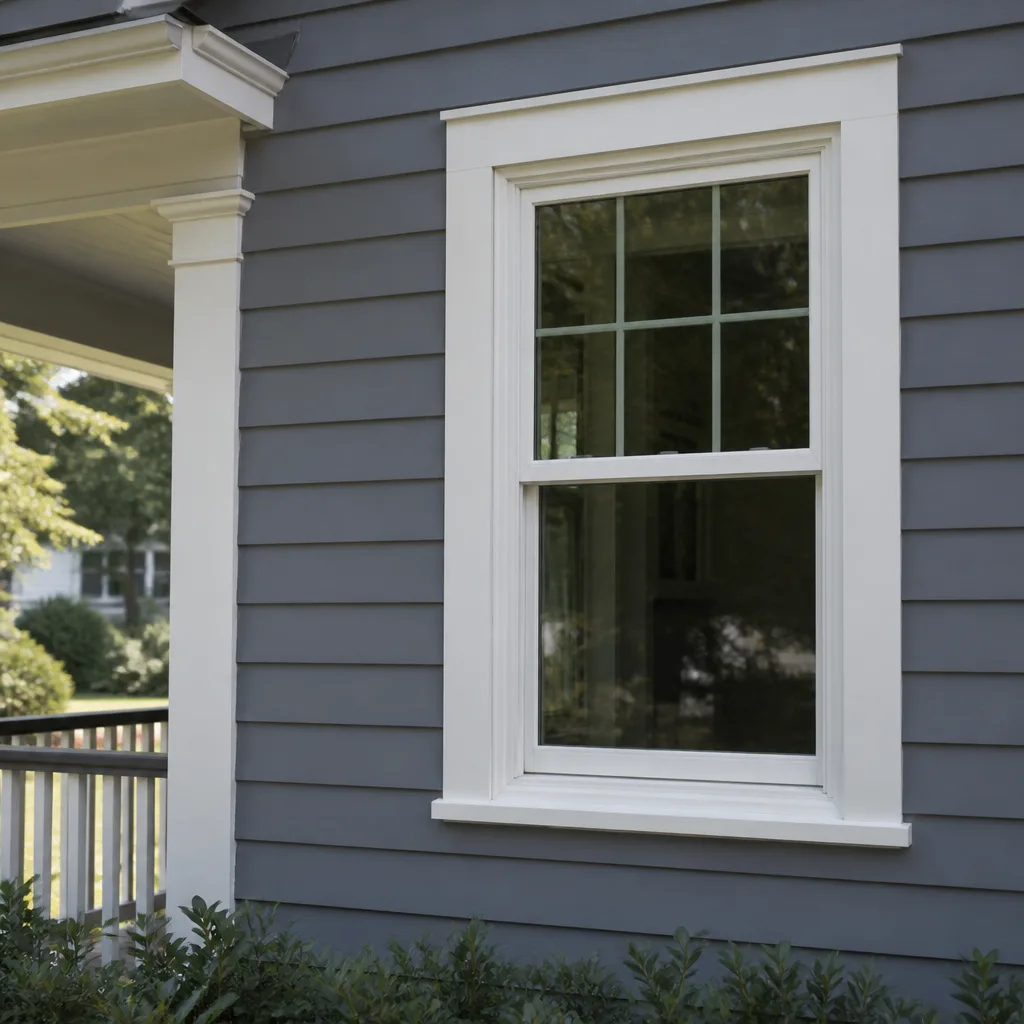 Single hung
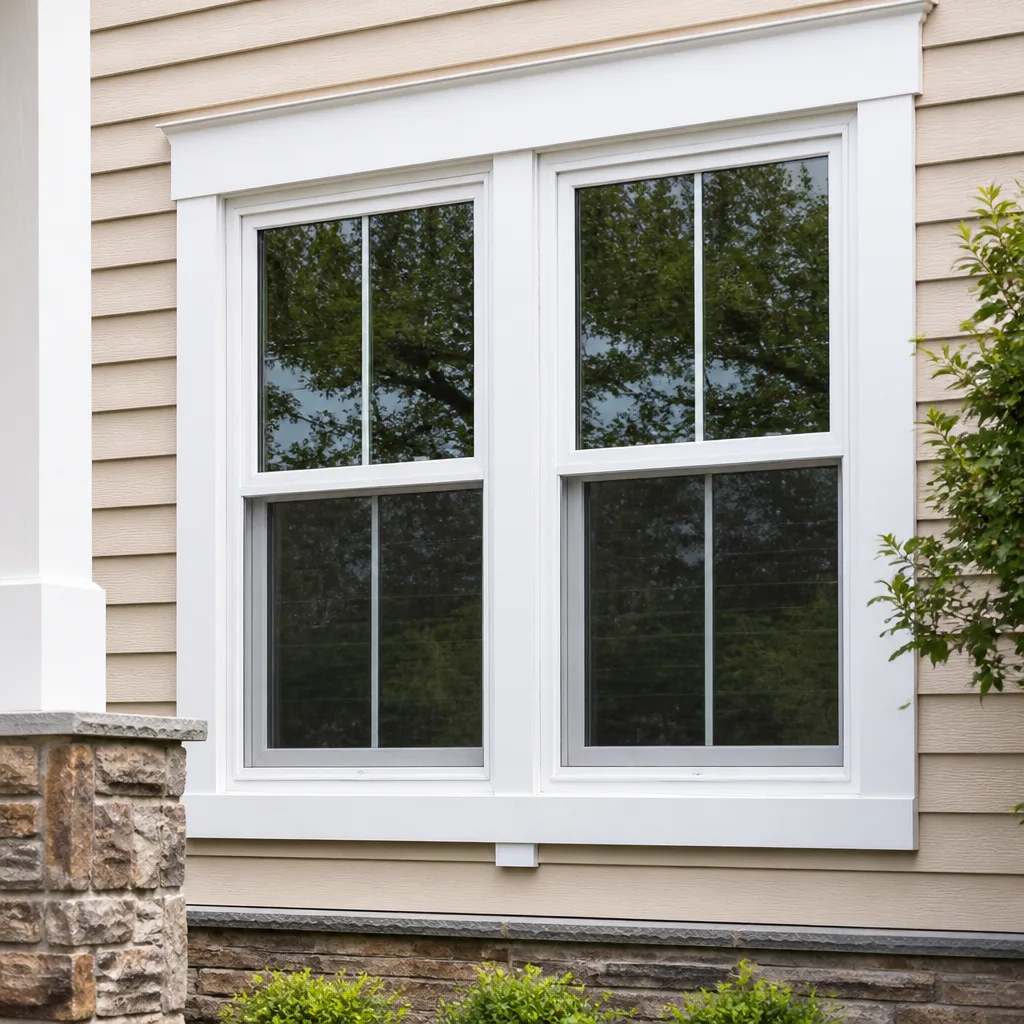 Double hung
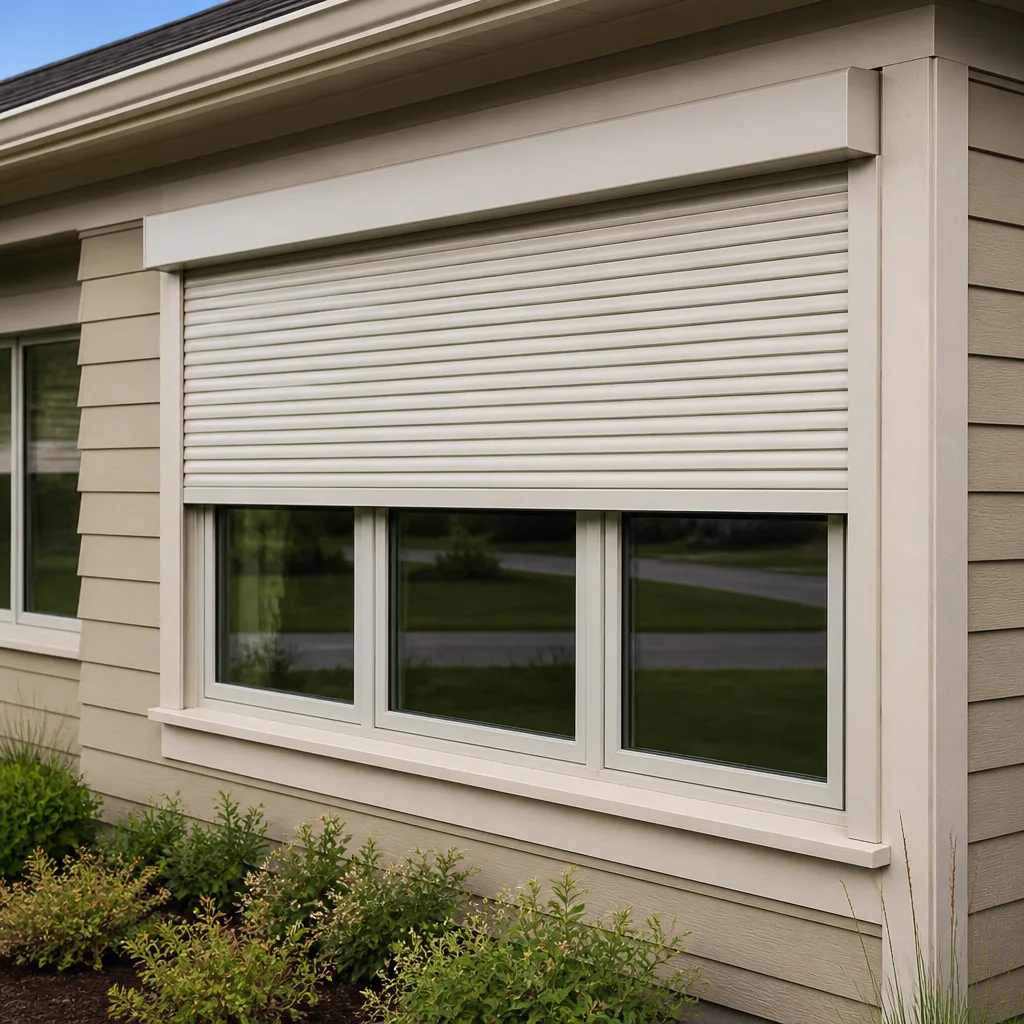 Horizontal roller
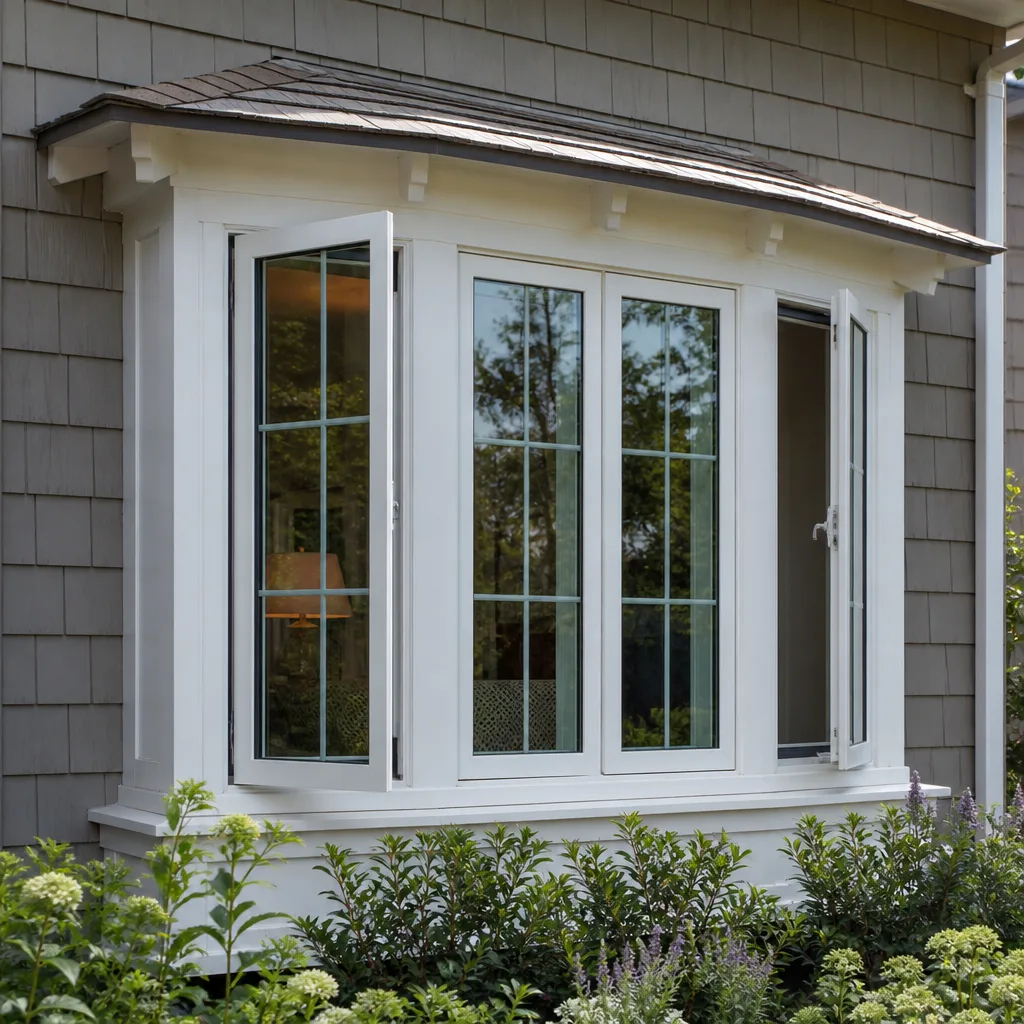 Casement
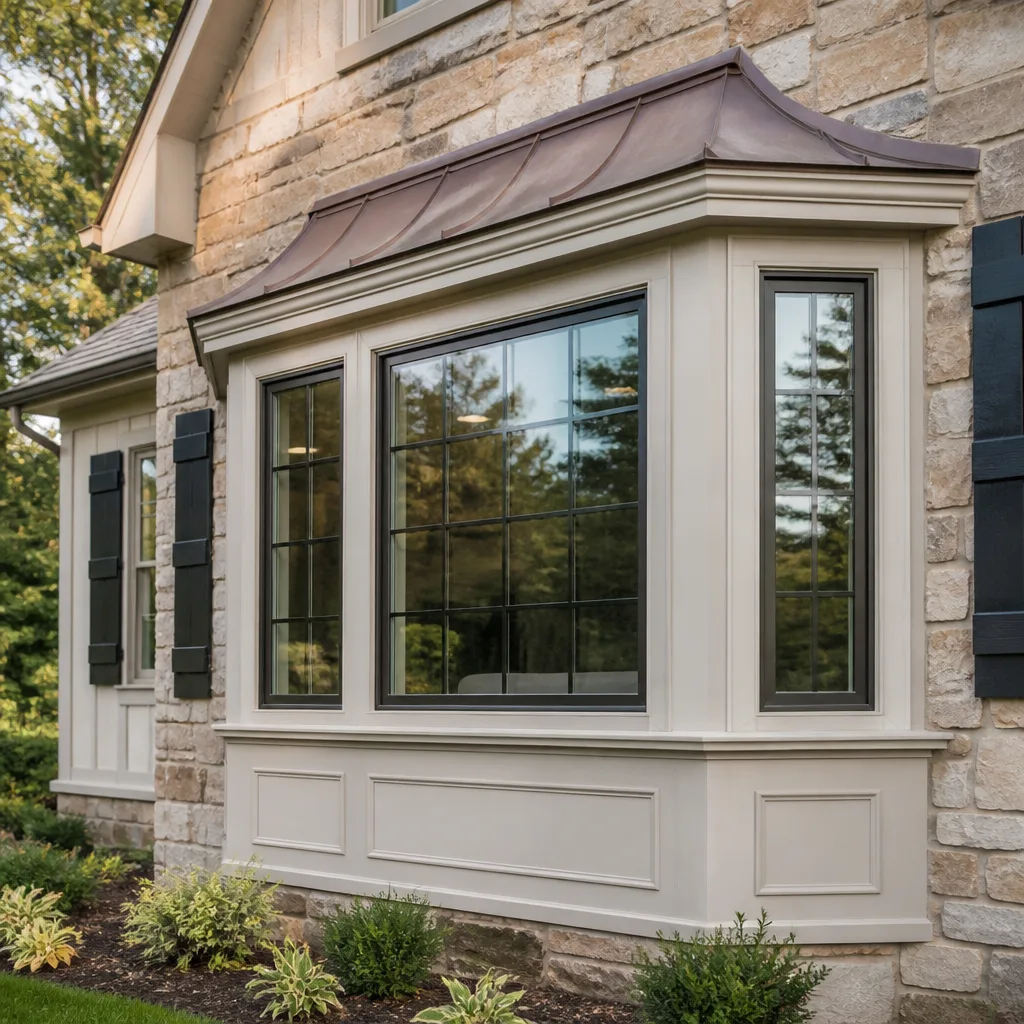 Bay & bow
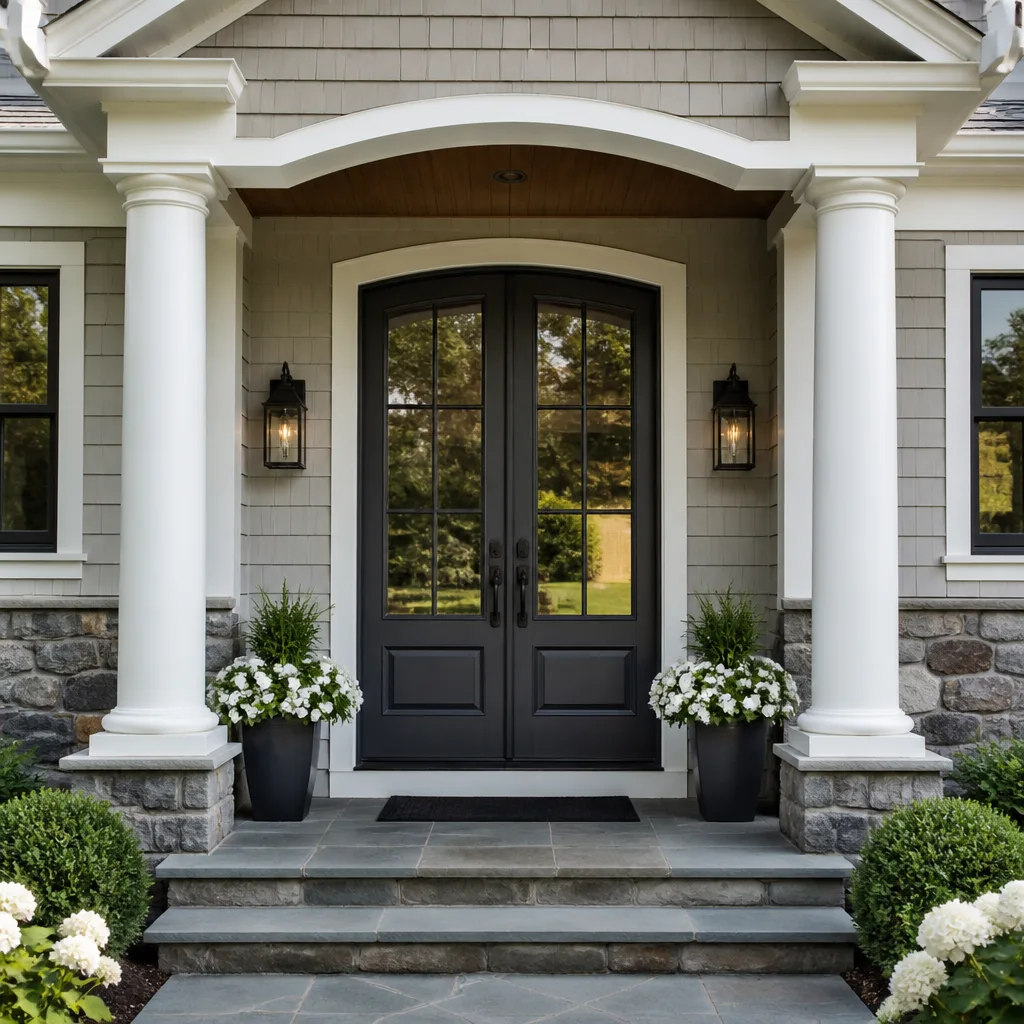 Entry doors
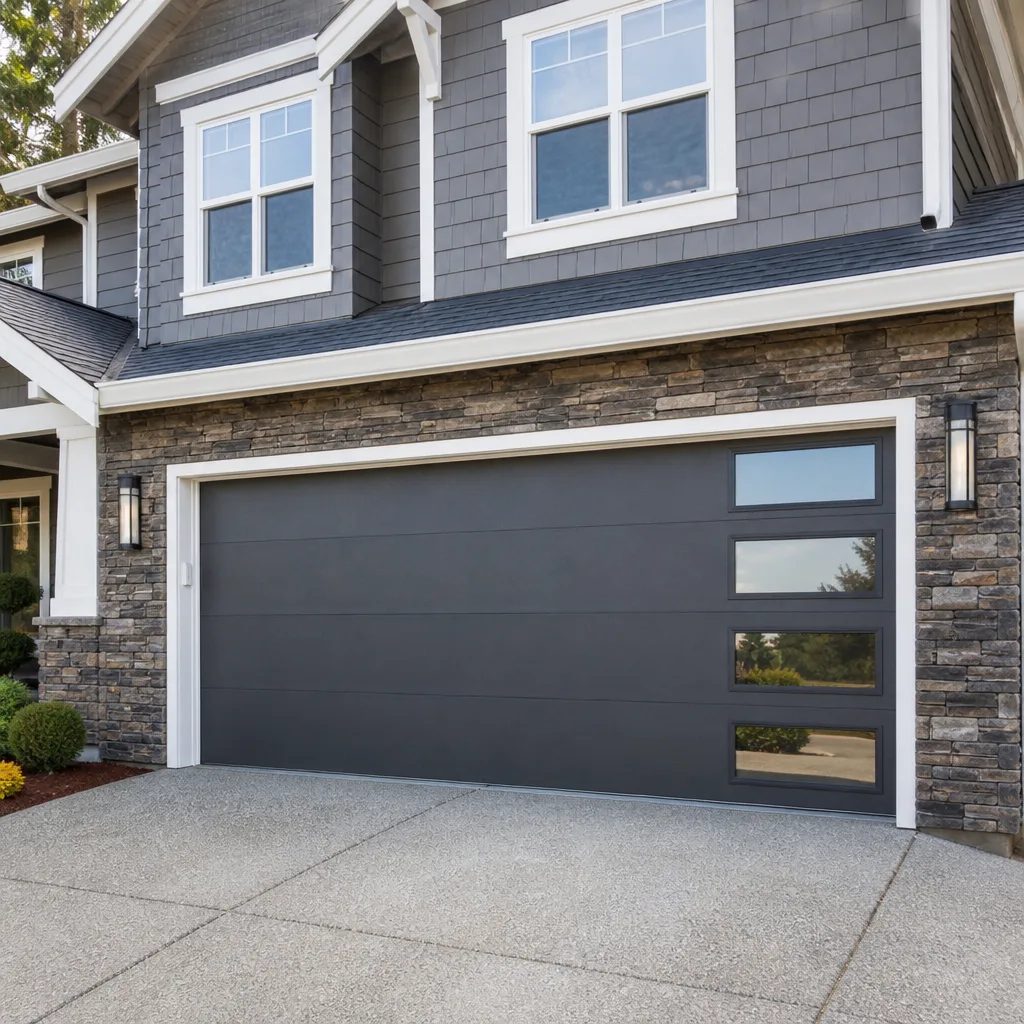 Impact garage doors
 PGT
 CGI
Free in-home measure and quote - PGT, CGI and CWS impact lines compared on your actual openings, style by style
Get your free estimateHow to Hire a Windows & Doors Contractor in Spring Valley: A Step-by-Step Guide
Most homeowners in Spring Valley start their contractor search by asking one question: “Are you licensed?” That check matters, but it’s not the filter that decides whether your project goes well. The real distinction is between a contractor who sells one brand and needs to move that inventory, and a multi-brand specialist who can match the product to your actual home, your wind exposure, your summer cooling bills, and your budget. A single-line dealer can’t recommend a product they don’t carry, no matter how well it fits your window opening. This guide shows you how to tell the difference before you sign, how to read a quote line by line, and how to verify the specific Nevada license classifications that cover window and door work. We’ll walk through it step by step, with the local details that matter in Spring Valley. By the end, you’ll know exactly what to ask and what to look for.
Quick Answer
To hire a windows and doors contractor in Spring Valley, verify the contractor holds a Nevada State Contractors Board license with the correct classification for glazing (C-17) or general building (B-2), confirm active insurance, demand a written scope of work with brand and model specified, and compare quotes from contractors who carry multiple product lines rather than a single brand. A contractor who can only offer one manufacturer is limited in what they can recommend, so a multi-brand portfolio is your best protection against being sold the wrong product for your home. The final price should always be set by a written, line-item estimate before any work begins.
Styles & brands we work with
- Single hung
- Double hung
- Horizontal roller
- Casement
- Bay & bow
- Sliding glass doors
- Entry doors
- Impact garage doors
- PGT
- CGI
Table of Contents
- Why Single-Brand Dealers Are a Hiring Risk
- Nevada License Classifications You Need to Verify
- Five Questions That Reveal Merit vs. Margin
- What a Proper Scope of Work Should Contain
- How to Read a Window or Door Quote Line by Line
- Red Flags Specific to the Spring Valley Market
- Matching Product Spec to Spring Valley’s Climate
- Common Mistakes to Avoid
- When to Call a Professional
- Frequently Asked Questions
Why Single-Brand Dealers Are a Hiring Risk
When a contractor carries only one window brand, every recommendation they make is constrained by that inventory. That’s not necessarily dishonest, but it does mean you’re getting advice shaped by what’s on the shelf rather than what your home actually needs. A west-facing window in Spring Valley that takes full afternoon sun has different requirements than a north-facing bedroom window. A home near the foothills may face different wind-load considerations than one in a more sheltered part of the valley. A single-brand dealer can only solve those problems with one product family.
A multi-brand specialist works differently. Because they carry competing lines, their recommendation is driven by the home’s needs rather than by dealer margin. At Spring Valley Windows & Doors, our lineup spans eight brands: PGT, CGI, CWS, ES Windows, ECO Window Systems, Mr-Glass, Therma-Tru, and ViewLux. That range covers impact-rated products, energy-efficient options, and decorative configurations. We match the product to your home, not to our inventory. When you ask why we recommend one brand over another, we can give you a straight answer because we aren’t locked into a single manufacturer.
How to spot a single-brand limitation
- Every quote you receive features the same brand, no matter what you describe about your home.
- When you mention a competitor brand, the salesperson dismisses it without specifics.
- The contractor can’t explain the difference in performance between product lines.
- You’re told “this is the best window on the market” without any comparison to alternatives.
A contractor who carries multiple lines will tell you which product fits which situation, and why a competing brand might actually be the better choice for a particular opening. That willingness to recommend against their own higher-margin line is the clearest sign you’re getting merit-based advice. If you’re still evaluating whether replacement is the right move versus new construction, our guide to window replacement covers what each project type involves in a Spring Valley home.
Nevada License Classifications You Need to Verify
Nevada licenses contractors through the Nevada State Contractors Board, and window and door work can fall under more than one classification. The two you’ll encounter most often are C-17 (glazing) and B-2 (general building). Knowing which applies to your project, and confirming your contractor actually holds it, is the second filter in the hiring process after the multi-brand question.
C-17 Glazing
The C-17 glazing classification covers the installation of glass and glazing products, including windows and window systems. A contractor holding C-17 is specifically licensed for the glass and frame work that makes up most window replacement projects. For a straightforward replacement job, this is often the classification you’ll see.
B-2 General Building
The B-2 general building classification covers a broader scope of residential construction and remodeling. A contractor with B-2 can typically handle window and door installation as part of a larger project, including structural framing changes that may be required when a new opening is created or an existing one is enlarged. If your project involves cutting a new opening in a wall, you want to confirm the contractor’s license covers that structural work, not just the glazing.
How to verify a license in Spring Valley
- Ask for the contractor’s Nevada license number in writing before any site visit.
- Look up the number on the Nevada State Contractors Board’s public license lookup.
- Confirm the license status is active and the classification matches your project scope.
- Check that the business name on the license matches the name on your contract.
- Ask for a certificate of insurance showing current general liability coverage, and verify the dates are still active.
Don’t skip step four. A contractor operating under a license held by a different entity is a warning sign, especially on a project that involves opening the exterior envelope of your home. If a contractor can’t produce a license number that matches their business name, that’s your answer.
Five Questions That Reveal Merit vs. Margin
The fastest way to learn whether a contractor is recommending on merit or on margin is to ask questions they can’t answer from a single-brand script. In our experience, the responses tell you more than any brochure. Here are five questions worth asking, and what each answer signals.
1. “Why don’t you carry [competing brand]?”
A merit-based contractor will explain the trade-offs honestly: this brand has better thermal performance, that one has a stronger warranty, another has a lead time problem. A margin-driven contractor will disparage the competitor without specifics or change the subject. Watch for the reaction more than the words. Defensiveness is a signal.
2. “What product would you put in your own home, and why?”
This question forces a specific recommendation. A contractor who carries one brand will name that brand, which tells you nothing. A multi-brand specialist will usually name a product and explain the reasoning: energy performance for a particular exposure, impact resistance for a specific wall, or a door system that holds up better to daily use.
3. “Can you show me the performance data for this product?”
A contractor recommending on merit can point to published performance specs. If they can’t supply documentation for the product they’re quoting, ask why. This is also where you should be cautious: no contractor should quote you an exact U-factor or rating without verified product-spec sourcing. If they throw out precise numbers with no documentation, that’s a red flag in the opposite direction.
4. “What’s the difference between your top two recommendations?”
A contractor with real product range will give you a clear comparison. A single-brand dealer will struggle to answer, because in their world there’s only one recommendation.
5. “Will you install, or will the finish work go to a subcontractor?”
One crew. Eight trusted brands. No subcontracting the finish work. When a contractor handles window replacement, new window installation, and door installation in-house, there’s one point of accountability from the frame to the threshold. Ask this question directly and listen for whether the answer is clear or hedged.
What a Proper Scope of Work Should Contain
A scope of work document is the single most important piece of paper in your project, more important than the glossy brochure or the sales presentation. It should specify exactly what will be installed, where, and to what standard. When a dispute arises later, usually about a detail nobody wrote down, the scope document is what settles it. Low bids frequently win on price by leaving scope thin. Here’s what a proper scope should contain, and the three things most commonly missing.
What the scope must include
- Brand and model for every opening. Not just “dual-pane window” but the specific product line and model number.
- Dimensions and locations. Each opening identified by room or elevation, with rough and finished dimensions.
- Glass package specification. Whether you’re getting standard glass, low-E, laminated, or impact-rated glazing, and which brand’s spec applies.
- Frame material and color. Explicitly stated, including interior and exterior finish.
- Removal and disposal. Who removes the old units and who hauls them away.
- Flashing and weather sealing details. How the opening will be sealed against water intrusion.
- Trim and finish work. Interior trim, exterior trim, and who supplies it.
- Permit responsibility. Who pulls the permit and who is responsible for inspection.
- Warranty terms. Manufacturer warranty and workmanship warranty, in writing, with assignment language.
Three things commonly missing from low-bid contracts
- Flashing and water management detail. A low bid often assumes the existing flashing is fine. If it isn’t, you’re paying for the discovery later. A proper scope states how the opening will be flashed and sealed.
- Warranty assignment language. Manufacturer warranties must be transferable to you as the homeowner, and the written scope should say so. Vague warranty language is one of the most common sources of disputes years after installation.
- Permit and inspection responsibility. If the low bid assumes you’ll pull the permit, that’s a cost you’ll discover later. Confirm in writing that the contractor handles it.
Our service pages walk through what the scope looks like for each project type: window installation for new openings and Spring Valley Windows & Doors for the full range of window and door work we handle. If you’re in Spring Valley and want to see a written scope before you commit, we’ll prepare one as part of a free estimate.
How to Read a Window or Door Quote Line by Line
Two quotes for the same project can look very different on paper and still land in the same ballpark once you compare scope. The line-item detail is where you learn what’s actually included. Contractors compress margin in some lines to win the bid and pad others to recover. Knowing where to look keeps you from comparing sticker prices on unequal projects.
Where contractors compress margin
- Unit price on the window itself. A low unit price often means a lower product tier or a shorter warranty. Compare brand and model before comparing dollars.
- Standard sizes only. Custom-sized openings cost more. If the quote assumes standard sizing but your home needs custom, the difference shows up later.
- Basic glass packages. Standard glass is cheaper than low-E or laminated. A low number may mean you’re pricing the base glass, not the product you actually need in Spring Valley’s summer heat.
Where contractors pad it
- Trim and finish work. Often the most variable line in a quote, and the hardest to compare without a scope detail stating exactly what’s included.
- Disposal and haul-away. A legitimate cost, but it should be a discrete line item you can see.
- Permit fees. These should be passed through transparently, not bundled into a single lump sum that hides the actual permit cost.
A line-item checklist
- Product brand and model listed for every opening.
- Glass package specified (standard, low-E, laminated, or impact-rated).
- Frame material and finish listed separately from the glass.
- Removal and disposal as a distinct line.
- Trim and finish itemized with a description.
- Permit fees shown separately.
- Warranty terms spelled out, not summarized as “full warranty.”
Prices vary by project, so use each estimate as a starting point for comparison rather than a definitive price. The final price is set per job by the written estimate. When you’re comparing bids, put them side by side against this checklist. The quote that holds up line by line is the one worth serious consideration, even if it isn’t the lowest number on the table.
Red Flags Specific to the Spring Valley Market
Spring Valley has a specific contractor landscape, shaped by its position in the Las Vegas Valley and the pattern of residential development here. Homeowners here encounter a few warning signs more often than the generic hiring guides mention. Knowing them in advance saves you from a costly mistake.
Out-of-state crews during peak season
When demand rises, contractors from outside Nevada sometimes take jobs here without the local license standing to back the work. An out-of-state crew may hold credentials from another state that don’t transfer automatically. Ask directly whether the contractor is licensed in Nevada. If the license number doesn’t exist on the Nevada State Contractors Board lookup, the answer is no, regardless of what the salesperson says.
No Clark County pull history
Permits are pulled through Clark County, and a contractor with a real local track record has a pull history you can verify. If a contractor can’t tell you what permits they’ve pulled for similar work, or seems vague about the permitting process, that’s a signal they haven’t done this work here. Ask for the permit reference number for a recent comparable job. A real contractor can provide it.
Vague warranty assignment language
Manufacturer warranties on windows and doors only protect you if they’re properly assigned. Some contracts bury the assignment in fine print or leave it out entirely. If the warranty language is vague, ask for it in writing. “The warranty stays with the product” is not a sufficient answer. You need to know, in writing, that the manufacturer’s warranty transfers to you and that there’s a defined workmanship warranty from the contractor.
Pressure to sign the same day
Window and door projects are significant purchases. A contractor who pressures you to sign before you’ve compared quotes is prioritizing their sales cycle over your decision. A straight answer from a merit-based contractor includes giving you space to think it through.
These signs add up, and any one of them is worth pausing over. When in doubt, check the license, ask for documentation, and compare at least two quotes before you commit.
Matching Product Spec to Spring Valley’s Climate
Spring Valley sits in the Las Vegas Valley, and the climate here shapes what a window or door needs to do. Summers are hot and dry, with intense sun exposure and significant daily temperature swings. Winters are mild but still bring cold nights. Wind-load considerations vary across the valley depending on elevation and exposure. The right product specification for a Spring Valley home is not the same as the specification for a coastal or cooler-climate home.
What that means for window selection
- Solar heat gain matters more than in cooler climates. West and south-facing windows take the brunt of afternoon sun. A glass package with a strong solar-control coating makes a measurable difference in cooling load and comfort.
- Wind-load and impact considerations. Impact-rated product lines are available through PGT, CGI, ES Windows, and ECO Window Systems. Whether your home needs an impact-rated product depends on its location and exposure, so ask the contractor to walk through the relevant requirements rather than accepting a generic answer.
- Thermal performance across the envelope. The doors matter too. Therma-Tru entry-door systems are available in our lineup, and the entry door is often the largest single point of thermal loss in an exterior wall.
- Sealing and flashing detail in a dry climate. Water management matters even in a dry valley, because summer monsoon rain and wind-driven storms do occur. Flashing and sealing detail should be specified in the scope, not left to assumption.
ECO Window Systems and ES Windows in the lineup give us a genuine focus on energy performance to pair with storm protection. If your goal is lower cooling costs, the recommendation will lean toward products with stronger thermal and solar-control specifications; if your goal is wind-load compliance, the recommendation leans toward impact-rated lines. That’s what a multi-brand specialist can offer: a product matched to the actual conditions at your home, not a manufacturer’s one-size-fits-all pitch.
Common Mistakes to Avoid
- Choosing the lowest bid without comparing scope. A low quote is often a thin scope. Two sentences later, the contractor is telling you that flashing wasn’t included. Compare the line items against the checklist above before you sign.
- Skipping the license classification check. Confirming a contractor is licensed isn’t enough. Confirm the classification covers your project, whether that’s C-17 glazing or B-2 general building for structural changes.
- Accepting a sales pitch in place of a written scope. A verbal promise to “handle everything” is not a scope of work. If it isn’t written down, it isn’t in the contract. You can’t hold anyone to a promise nobody recorded.
- Overlooking the door in a window project. If you’re replacing windows, evaluate the entry door at the same time. It’s often the largest thermal gap in the envelope, and sourcing both from one contractor keeps the project under one accountable crew.
- Ignoring warranty assignment language. A manufacturer warranty that doesn’t transfer to you is worth nothing when you need it. Get the assignment in writing before the project starts.
- Failing to ask about impact or wind-load requirements. Spring Valley homes vary in exposure. Not every home needs impact-rated products, but the contractor should be able to tell you whether yours does and why.
- Rushing the decision. A contractor who pressures you to sign the same day has a sales cycle, not your home, in mind. Ask for space to compare, and expect a professional to give it to you.
When to Call a Professional
You should call a professional contractor any time a window or door project involves a new opening, a structural change, an enlarged opening, or a full replacement of a failed unit. These are not the tasks to hand to a general handyman. Window and door work on the exterior envelope involves glazing, framing, flashing, sealing, and often permitting, and each of those has a specific failure mode if done wrong. Beyond the work itself, call a professional when you’re at the decision stage and need a written scope and a real quote to compare against the alternatives. Our technicians have up to 10 years of experience, and Spring Valley Windows & Doors offers free estimates in Spring Valley. Call (833) 549-7716. We answer 24/7. Fast dispatch from 7am to 7pm, Sunday through Friday.
Frequently Asked Questions
Spring Valley window replacement costs depend on the product tier, the number of openings, the glass package, and the scope of installation. There’s no single price for a Spring Valley home because every project is a different combination of brand, size, and spec. The written estimate sets the final price, and the free estimate should be specific enough for you to compare line by line. Call (833) 549-7716 for an exact quote. Estimates are free.
It depends on the scope. A C-17 glazing classification covers the installation of windows and window systems, while a B-2 general building classification covers broader residential work including structural changes where a new opening is created. For a straightforward replacement, C-17 is typically the relevant classification; for a new opening or enlarged opening, confirm the license covers the structural work. When in doubt, ask the contractor which classification their project scope falls under and verify it on the Nevada State Contractors Board lookup.
A multi-brand contractor can recommend the product that fits your home rather than the product they need to sell. A single-brand dealer can only solve every problem with one product family, even if a competing line performs better for your exposure, your climate, or your budget. A multi-brand portfolio, like the eight lines we carry at Spring Valley Windows & Doors, is your best protection against a margin-driven recommendation.
A proper scope of work should list the brand and model of every opening, the glass package, the frame material and finish, removal and disposal, flashing and sealing detail, trim, permit responsibility, and warranty terms with assignment language. Three items commonly missing from low bids are the flashing detail, warranty assignment, and permit responsibility. If any of those is vague, ask for it in writing before you sign.
Yes, if the scope of work is thin. A written, line-item estimate with a clear scope of work sets the final price and limits the changes that can appear mid-project. The estimate is the protection, so review the line items against the checklist in this guide before you sign. A contractor who can’t provide a fixed scope is a contractor you haven’t vetted yet.
Ask for the Nevada license number in writing before any site visit, then look it up on the Nevada State Contractors Board’s public database. Confirm the license is active, the classification matches your project scope, and the business name on the license matches the name on your contract. Also request a current certificate of insurance and check that the dates are active. If the contractor can’t produce a license number that matches their business name, pause and ask why.
The Bottom Line
Hiring the right windows and doors contractor in Spring Valley comes down to four filters. First, confirm the contractor is licensed with the classification that covers your project, whether that’s C-17 glazing or B-2 general building. Second, favor a multi-brand specialist who can recommend a product on merit rather than a single-brand dealer locked into their inventory. Third, demand a written scope of work that specifies brand, model, glass package, flashing, permits, and warranty assignment. Fourth, read the quote line by line and compare it against the scope, not against the sticker price. A contractor who can pass all four checks is the one worth your project.
Spring Valley Windows & Doors installs and replaces windows and doors for residential customers in Spring Valley, drawing from a portfolio of eight brands: PGT, CGI, CWS, ES Windows, ECO Window Systems, Mr-Glass, Therma-Tru, and ViewLux. We handle window replacement, new window installation, and door installation in-house with one accountable crew. Our technicians have up to 10 years of experience. If you want a straight answer about which product fits your home, ask us why we recommend one brand over another and we’ll give you a straight answer. Call (833) 549-7716 for a free estimate. We answer 24/7. Fast dispatch from 7am to 7pm, Sunday through Friday.
Written by the team at Spring Valley Windows & Doors.
See the difference
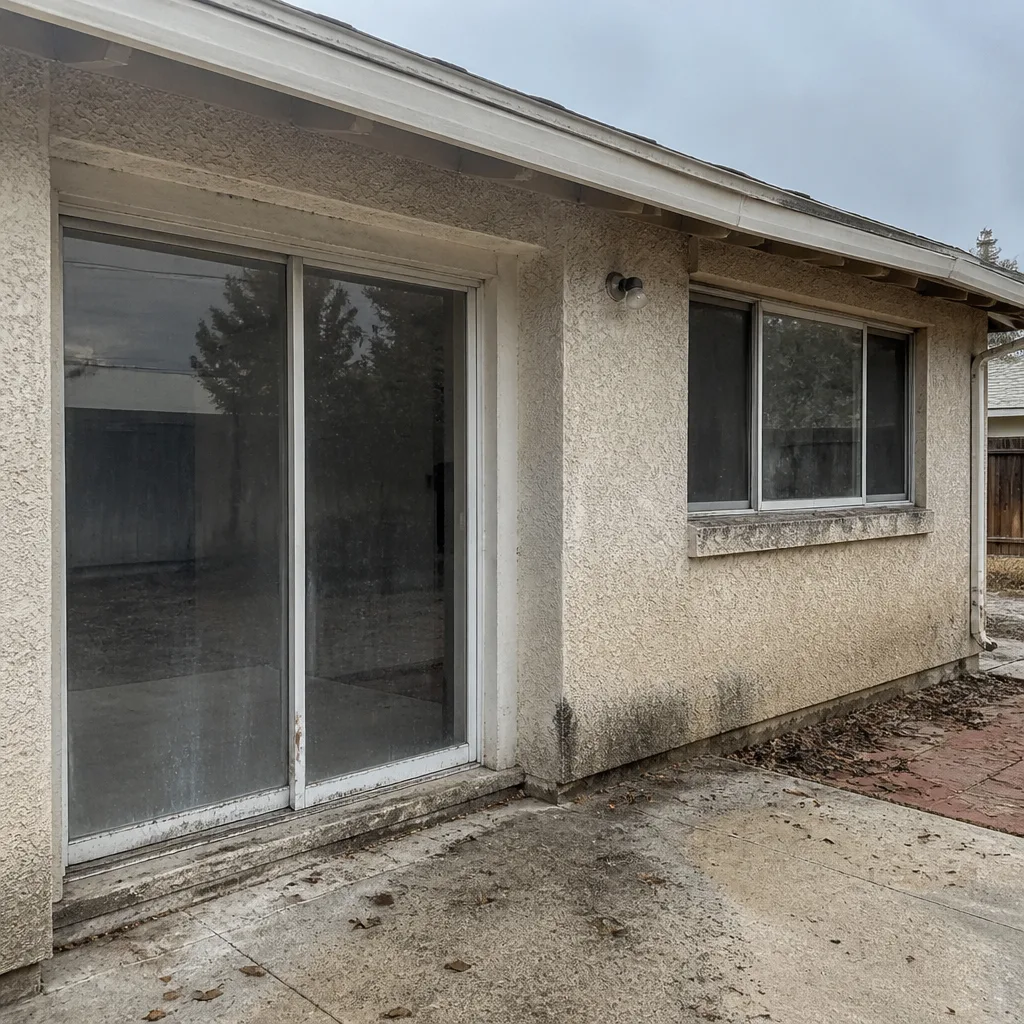 Before
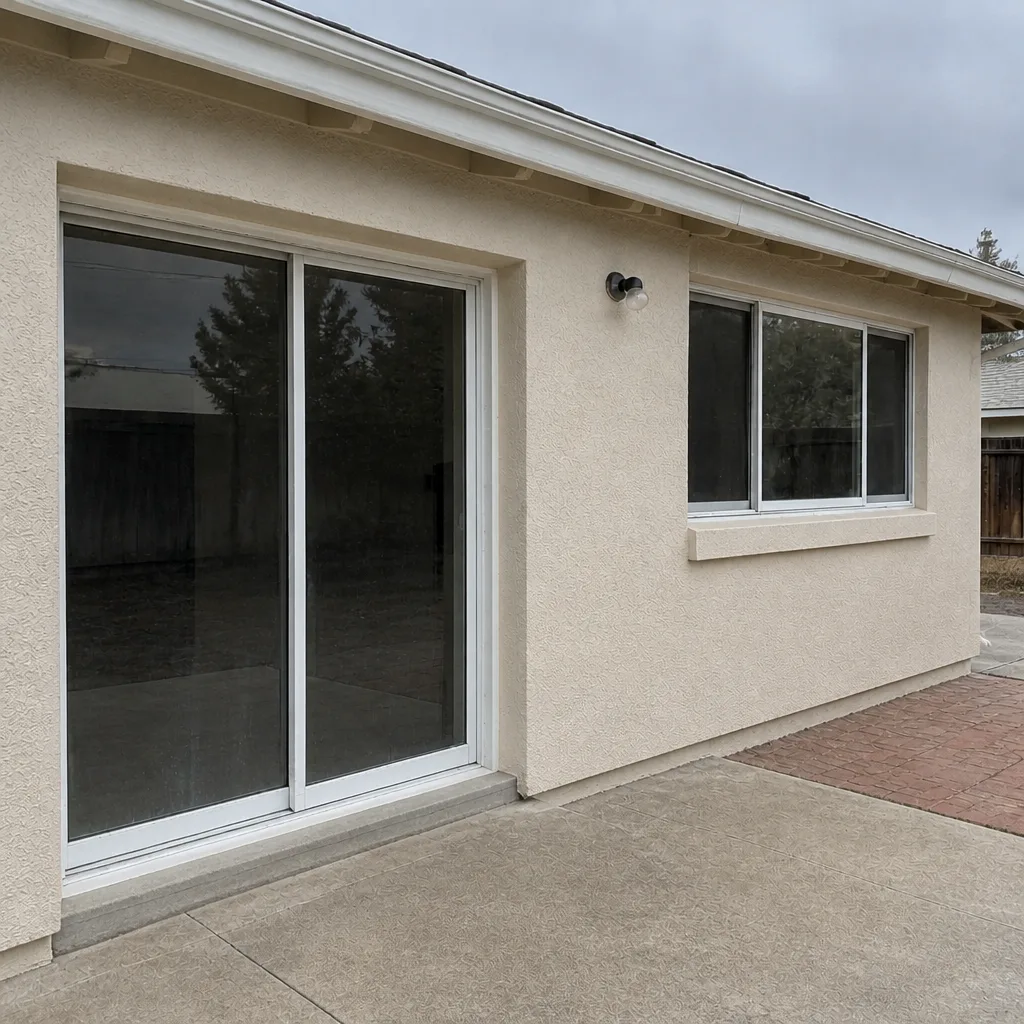 After
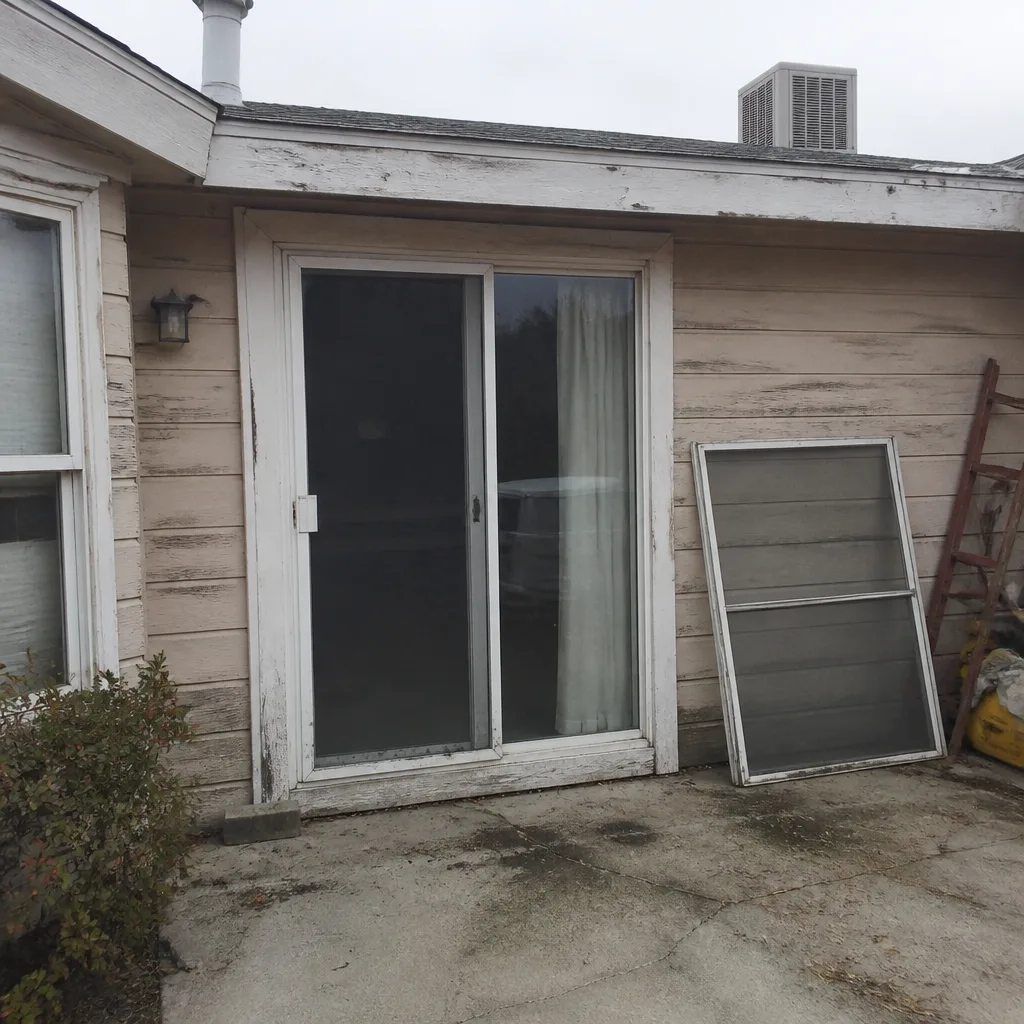 Before
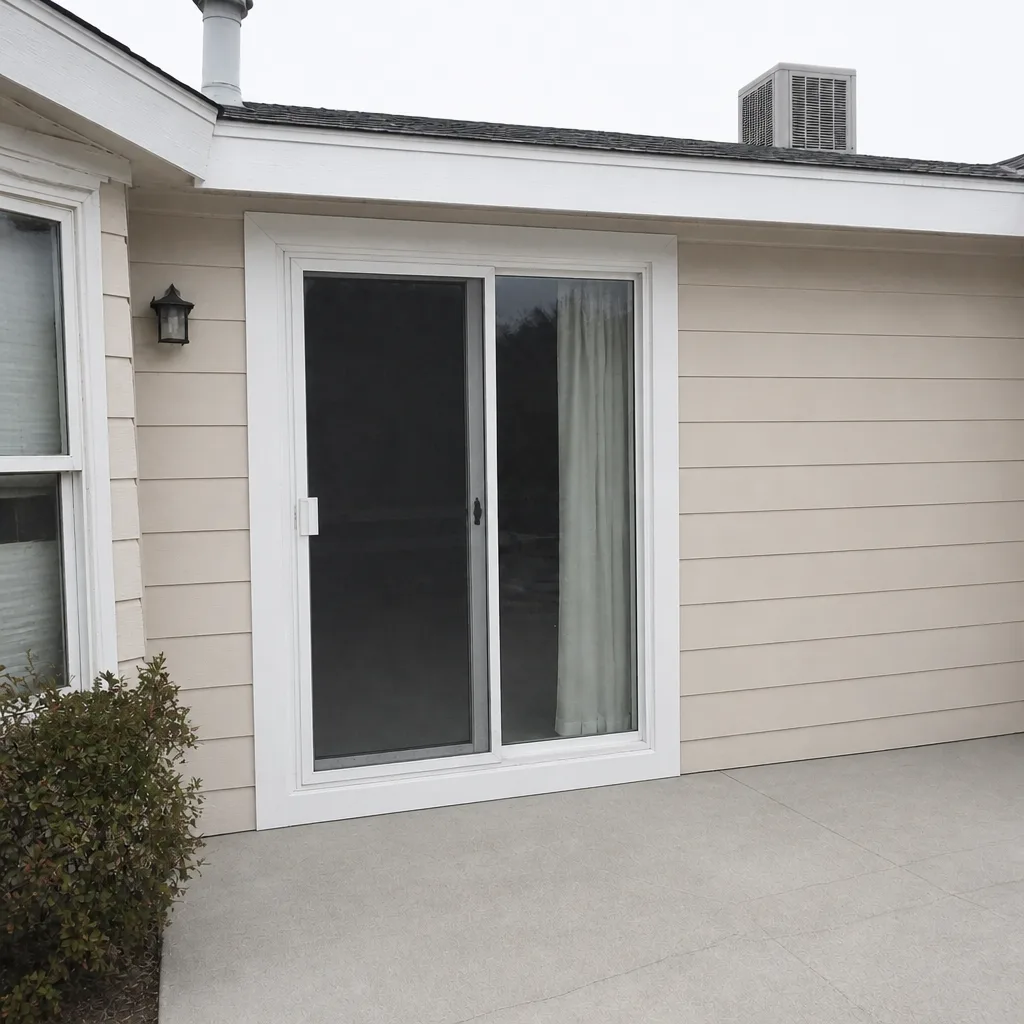 After
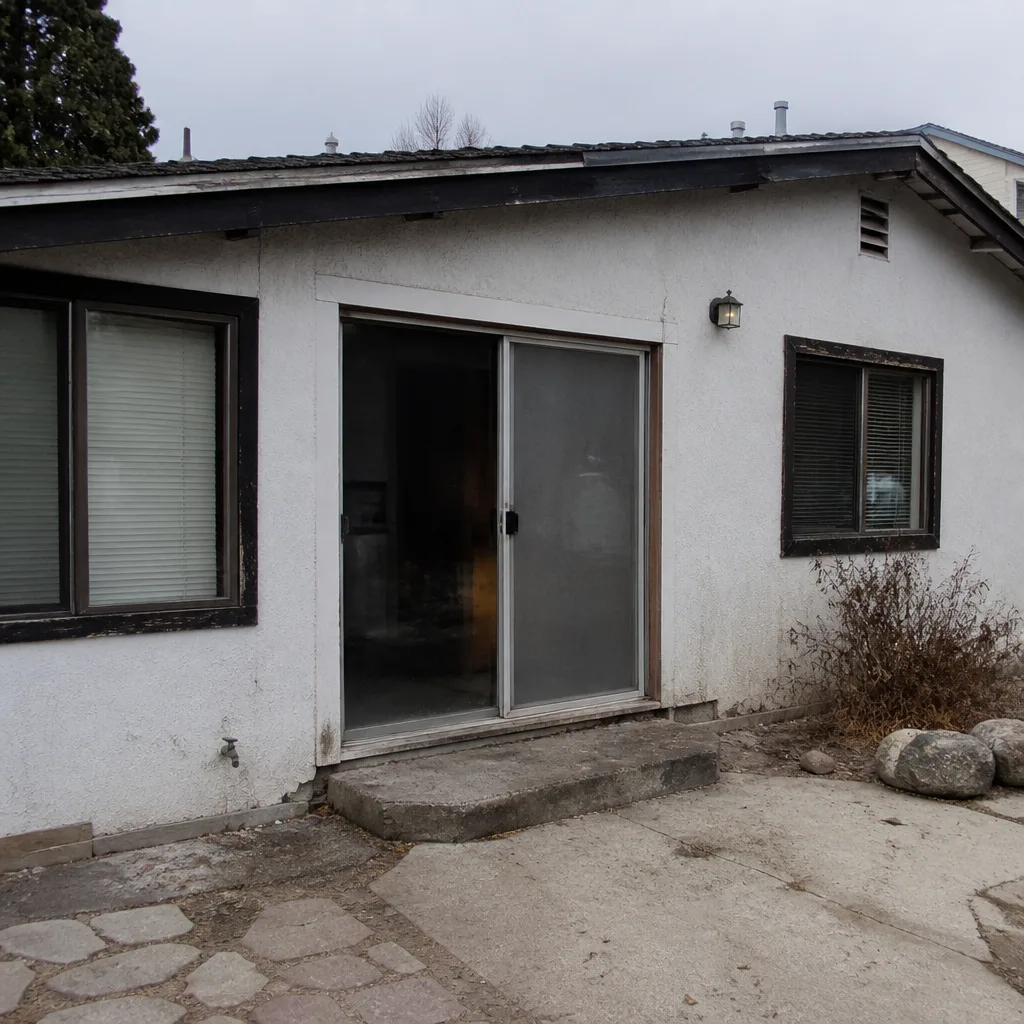 Before
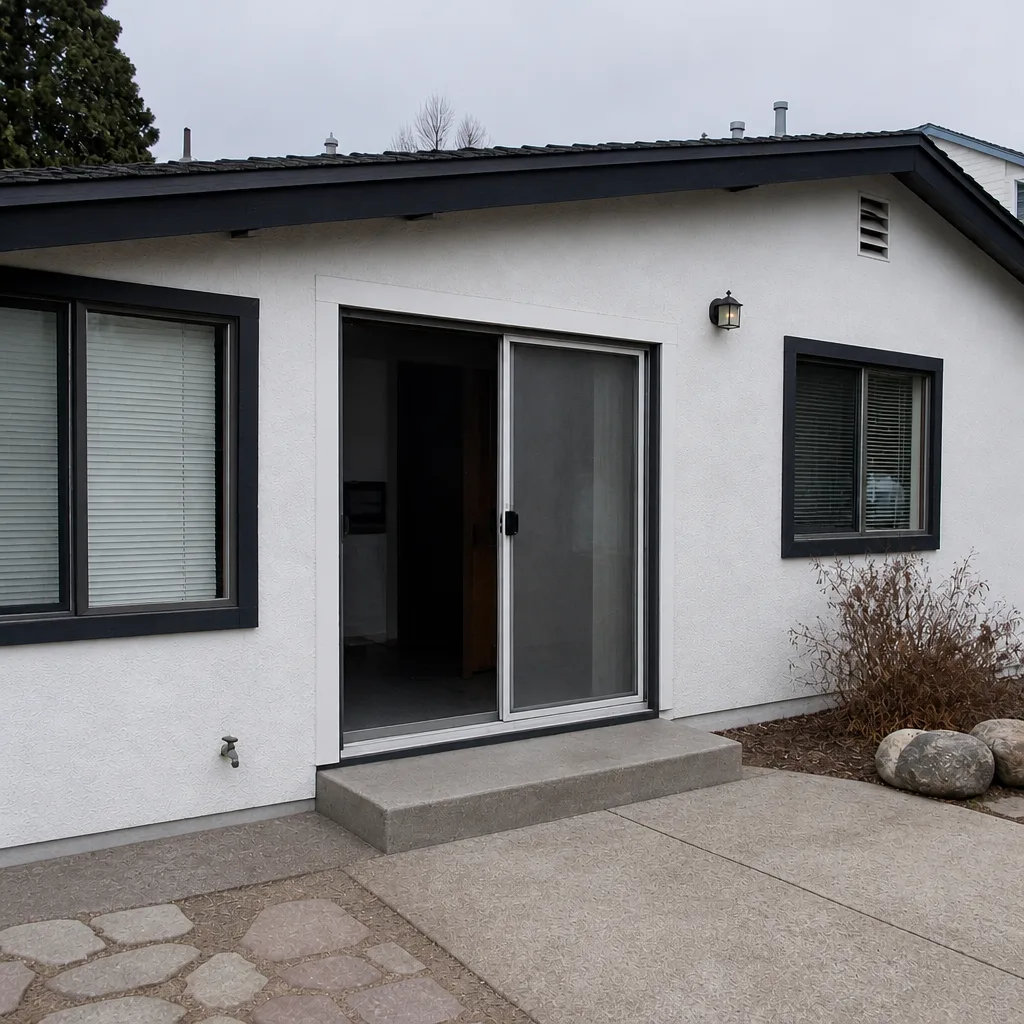 After