Last updated November 17, 2026
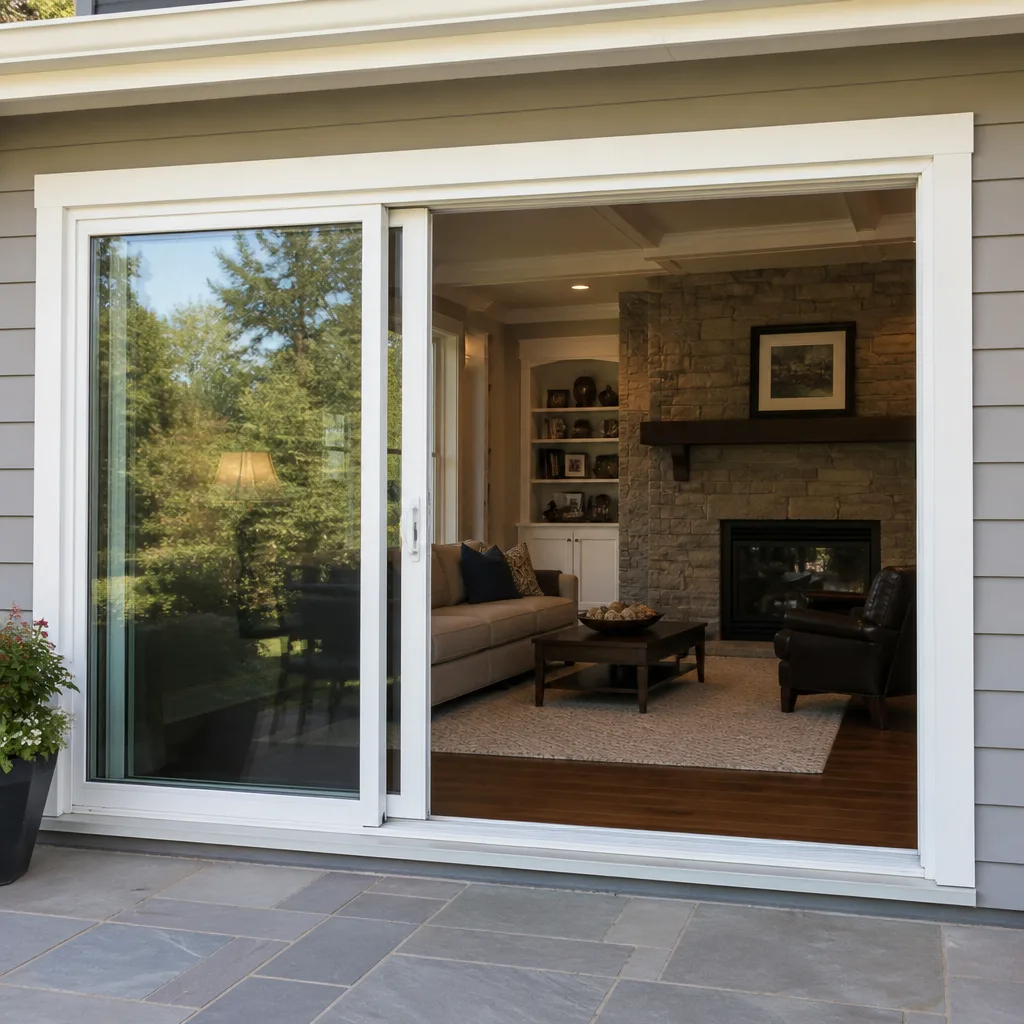 Sliding glass doors
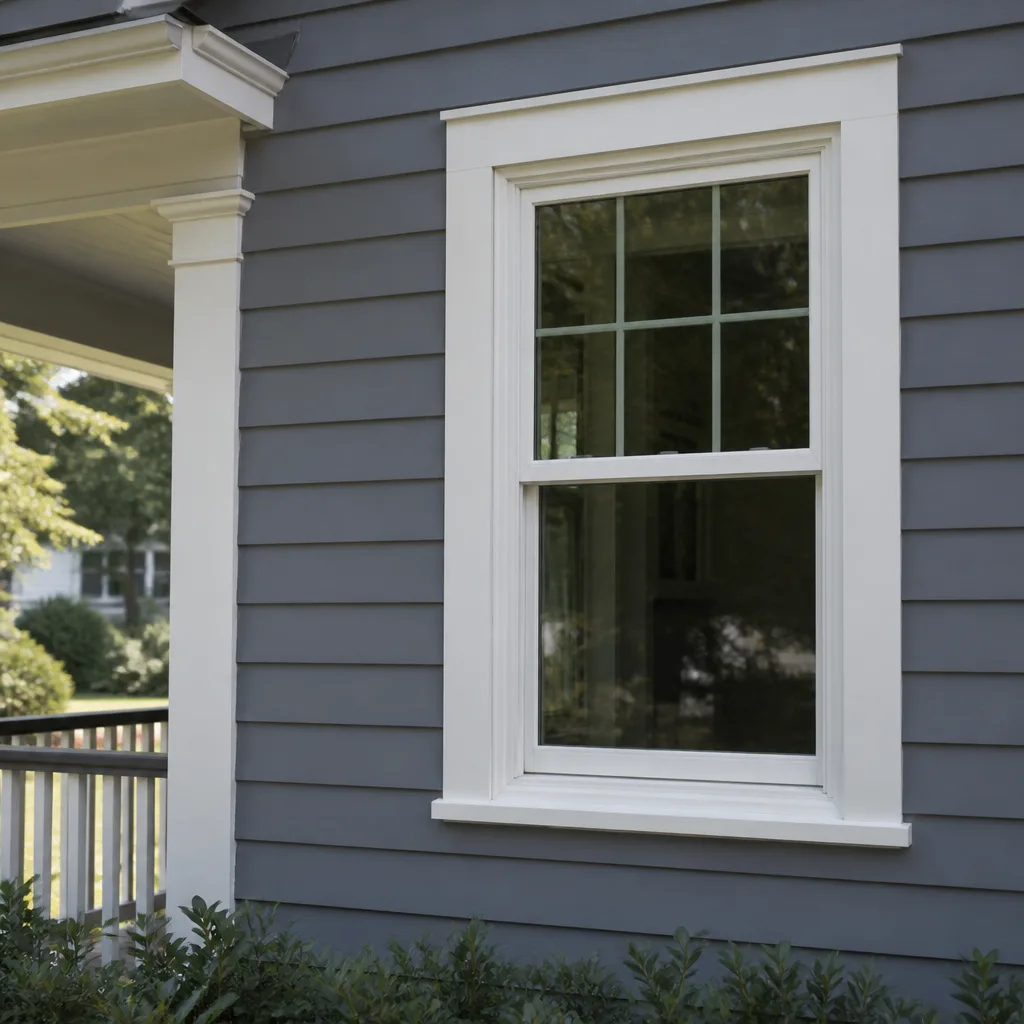 Single hung
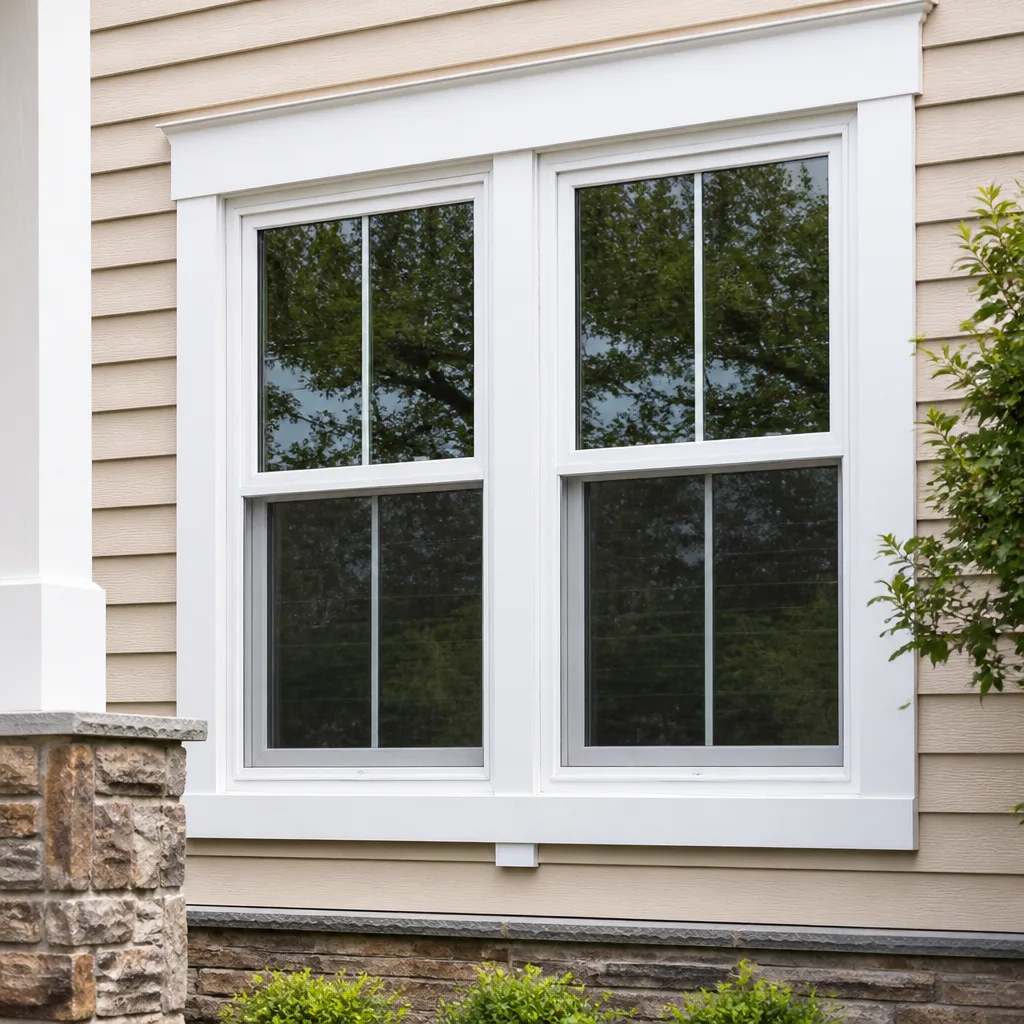 Double hung
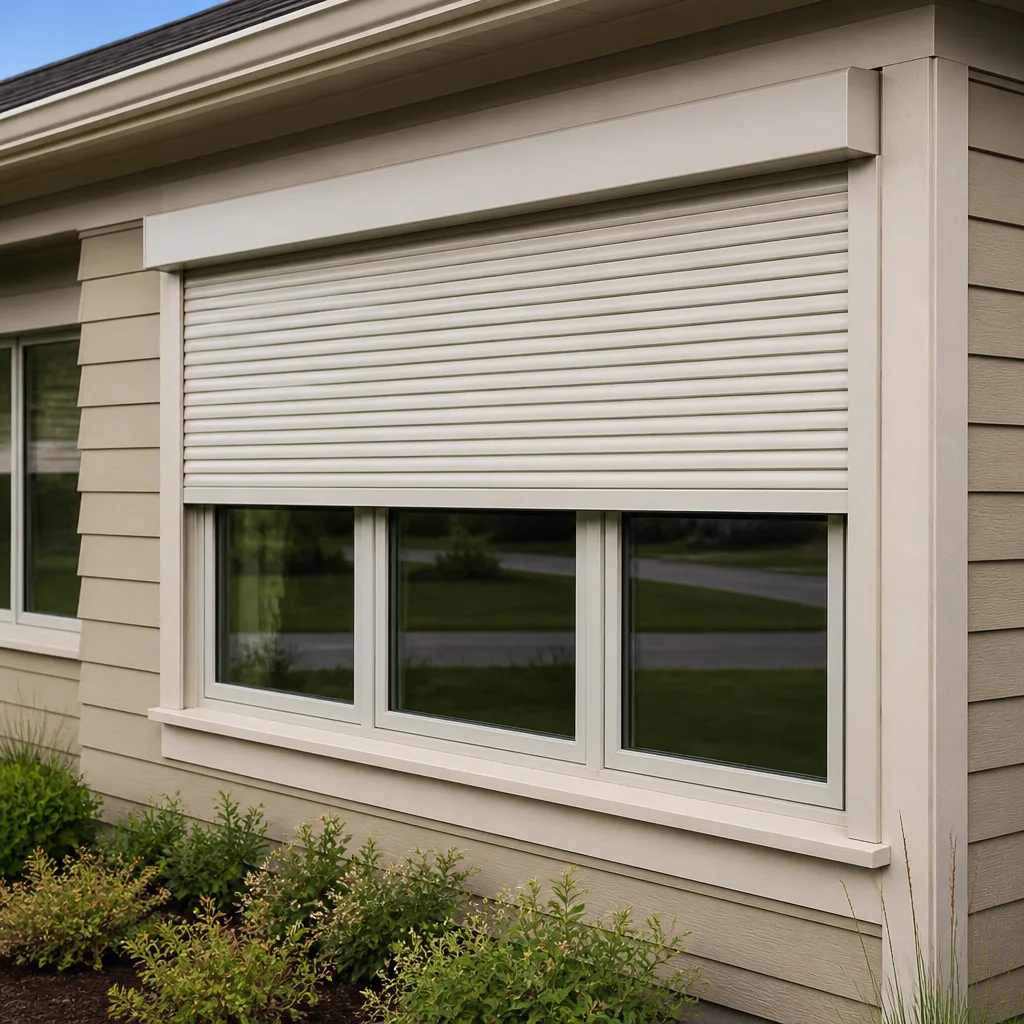 Horizontal roller
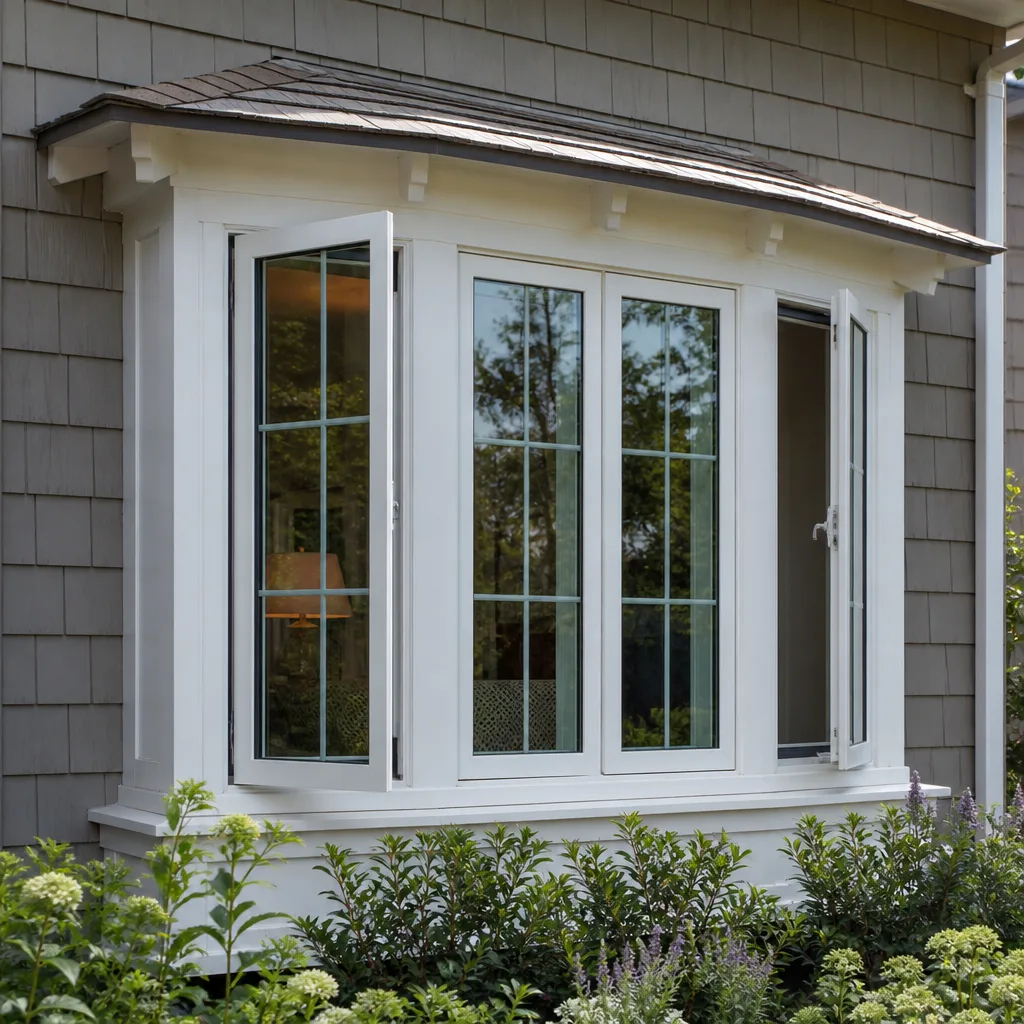 Casement
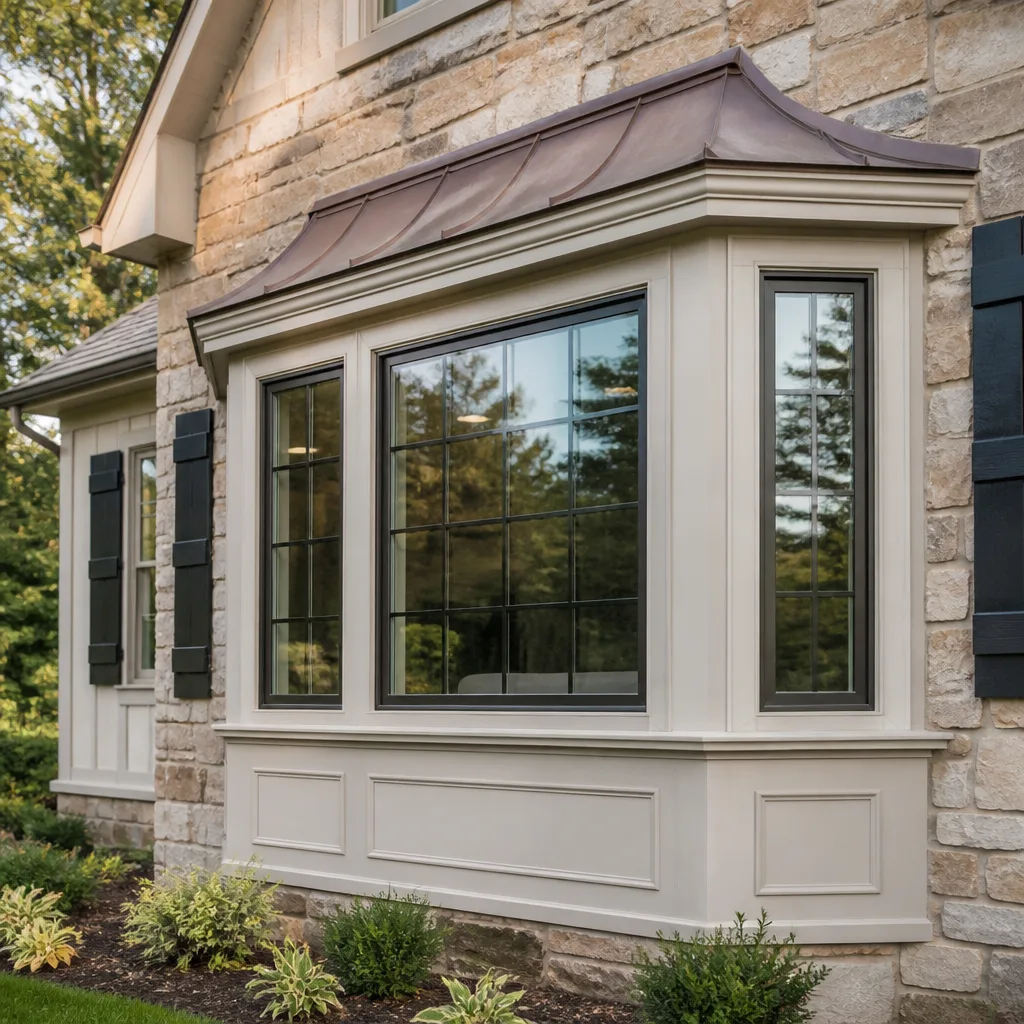 Bay & bow
 Entry doors
 Impact garage doors
 PGT
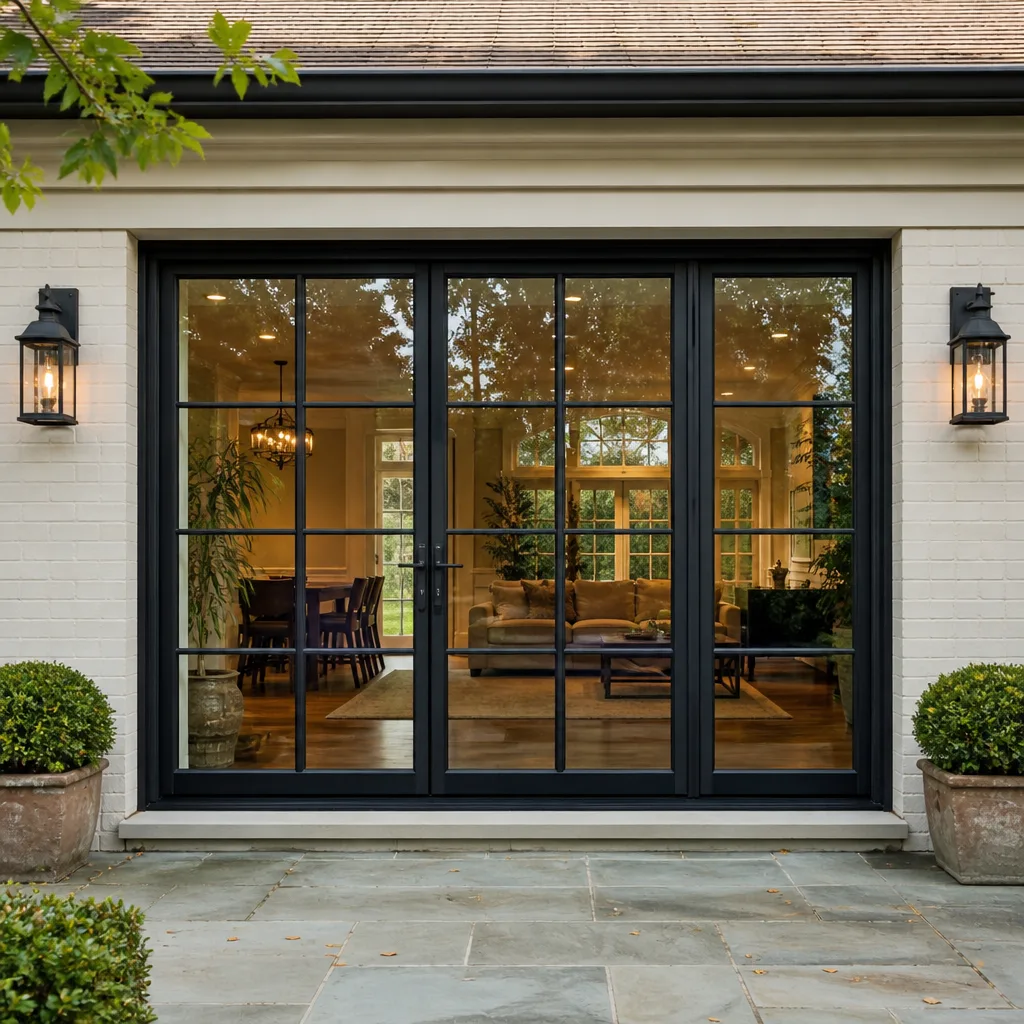 CGI
Free in-home measure and quote - PGT, CGI and CWS impact lines compared on your actual openings, style by style
Get your free estimateSeasonal Windows & Doors Care for Spring Valley: Year-Round Homeowner’s Guide
Most homeowners here assume the hard part of window and door care is the cold. It isn’t. In Spring Valley the damage happens quietly between April and September, when weeks of triple-digit heat push aluminum frames, glass, seals and sliding hardware through hundreds of expansion and contraction cycles a day. The seized slider you discover in October almost always traces back to something nobody checked during the April-to-May window, before summer locks everything in place. This guide lays out a care calendar built on the pattern Spring Valley actually runs: a long, brutal cooling season, a mild shoulder, and a short winter that still delivers freezing nights. You’ll learn what to inspect and when, and how to catch the cheap fix before it compounds into a replacement.
Quick Answer
Seasonal window and door care in Spring Valley follows four real seasons, not a generic template: pre-summer prep in April before heat sets in, summer operation discipline from June through September, a post-summer assessment in October, winter prep in November and January for the handful of freezing nights, and a dust-and-debris deep clean in February and March. The two dates that matter most are April, when hardware and seals should be lubricated and adjusted, and October, when heat-driven damage is cheapest to correct.
Styles & brands we work with
- Single hung
- Double hung
- Horizontal roller
- Casement
- Bay & bow
- Sliding glass doors
- Entry doors
- Impact garage doors
- PGT
- CGI
Table of Contents
- Why Spring Valley’s Climate Breaks the Standard Care Calendar
- April Prep: The Pre-Summer Inspection That Prevents Heat-Season Failures
- Summer Operation (June-September): Managing Thermal Expansion
- October Assessment: Reading a Full Summer of Thermal Cycling
- Winter Prep (November-January): Weatherstripping and Door Sweeps
- February-March: Clearing Dust from Weep Holes, Tracks and Channels
- How Product Choice Changes Your Care Schedule
- Common Mistakes to Avoid
- When to Call a Professional
- Frequently Asked Questions
Why Spring Valley’s Climate Breaks the Standard Care Calendar
Every generic maintenance guide tells you to “prepare for winter” and “clean up after spring.” That advice was written for a four-season climate with a long freeze, a wet spring and a humid summer. Spring Valley doesn’t run that way. Here, the cooling season is the load-bearing season. Windows and doors do most of their movement when exterior surfaces climb well above the indoor setpoint, and that gap is widest from June through September. A slider’s aluminum track and its vinyl rollers expand at different rates, so the clearances you set in April tighten by July. Do nothing, and the door starts dragging in August and grinds by October.
The second feature is the dry stretch. Spring Valley spends months with almost no measurable rain, which means your weep holes and sill channels fill with windblown dust, not water. That dust turns into a fine abrasive paste on tracks and a hardened blocker in drainage paths. When the first real rainstorm does arrive, the water has nowhere to go. We see more water intrusion complaints after the first winter storm than in the middle of any rainy stretch, and it’s almost always dust-packed weep holes from the dry season above.
The third feature is the swing. Nights from November into January can drop to freezing or just below while afternoons return to the sixties. That’s a smaller temperature band than a Midwest winter, but the daily swing is wider. Weatherstripping that stays compressed and flexible in a steady cold climate gets worked back and forth here and cracks early. If you’re planning a project and want openings built for that swing instead of repaired around it, window replacement with a properly specified frame is often the cheaper long-run answer.
Read the whole guide with that in mind. The dates we give are specific to the desert valley pattern, and they’ll tell you more about when to act than any general checklist.
April Prep: The Pre-Summer Inspection That Prevents Heat-Season Failures
April is the single most valuable week of window and door care in Spring Valley. It sits in the shoulder window, after the last real chance of cold nights and before the daytime highs climb. Move that week into May and you lose room to correct what you find. Move it to June and you’ll be working on hardware that’s already hot to the touch and frames that have tightened.
Here’s the inspection sequence we walk through, and the order matters because you’re checking function top-down:
- Cycle every operable window and door. Open each casement, awning, slider and entry door fully and close it. Note any that drag, stick, need extra force or fail to latch flush. This is the cheapest diagnostic and the first real signal.
- Lubricate tracks, rollers and hinges. Use a dry film lubricant or a silicone spray on slider tracks and rollers, and a light grease on casement operators. Greasy or oil-based products collect dust, and in Spring Valley that becomes a paste that retards the roller. Wipe off excess.
- Test the locks and catches. A slider that latches hard usually means the panel is out of square from a settled or heat-cycled track. Adjust the roller height and check the latch engagement before you consider the lock itself. Adjusting alignment now is minor. Replacing seized hardware behind a stuck frame in August is not.
- Inspect weatherstripping for brittleness. Run a hand along the door sweep and the perimeter of each weatherseal. If it’s crunchy, chalky or cracked, replace it now, before the UV season bakes it harder.
- Clear every weep hole and sill path. You’ll do it again in February, but April is when you want drainage paths fully open ahead of the monsoon and winter storm cycle.
- Check caulk and exterior seams. Re-seal any gaps around frames and thresholds. UV degrades sealant faster than cold does, so April is your annual callback.
- Confirm the door threshold is level and clear. A threshold that’s in contact with the interior floor drags once the panel expands in the heat. Check it now and adjust.
That list takes most homeowners a morning. Everything on it is preventive, and almost all of it is maintenance you can do with a dry lubricant, a screwdriver and a tube of exterior sealant. When we install new openings in Spring Valley, part of the handoff conversation is helping the homeowner build this habit from day one rather than discovering their care schedule after something seizes.
Summer Operation (June-September): Managing Thermal Expansion
Once the heat is on solidly, the goal changes. You’re no longer adjusting things. You’re protecting what you set up in April from the daily expansion cycle. Every exterior frame in Spring Valley grows and shrinks a little every single day from June through September, and sliding doors and casement windows take the worst of it because their moving parts are on the exterior face where the heat is.
Practical habits that protect the hardware through the heat season:
- Use the latch and lock mechanism as intended. A slider with its lock engaged is pulled into its proper alignment. Left unlocked through the day, the panel can drift under expansion and start to drag. Lock sliders and doors during the cool part of the day so the seal holds in position.
- Operate sliding doors in the morning. Thermal expansion peaks in the afternoon. Sliders move far easier when the frame hasn’t yet fully expanded. This is the single biggest reduction in roller wear you can make.
- Open casements fully rather than partway. A half-open casement sits in a position where the operator arm holds load against the frame. Move them all the way open or fully closed. The in-between positions wear the hinge and operator.
- Watch for seal stress on the glass. The seals around a double-pane window are the part of the assembly least tolerant of expansion. If you see the interior of a pane clouding, developing a faint fog at the edge, or a dark line creeping in from the frame, the seal has failed. It doesn’t get better on its own.
- Keep the interior shade of sliding doors clear of furniture. If the track or the lower panel glass is blocked from airflow, heat buildup inside the door is worse. A quick look now prevents a scorched sill or a stressed glazing.
- Don’t force anything that won’t move. If a slider binds, stop. Forcing it bends the roller and deforms the track. Call for a repair or adjustment instead of winning a tug of war with a $2,000 door.
Summer is when the efficient lines in our lineup earn their keep. Products like ES Windows and ECO Window Systems are built with thermal performance in mind, so they move less under the temperature swing than a basic single-glazed assembly would. That’s a material difference in the desert valley, and it’s part of why Spring Valley homeowners looking at an upgrade rather than a repair ask us to compare lines side by side instead of accepting a single brand pitch.
October Assessment: Reading a Full Summer of Thermal Cycling
October is the other bookend. The heat is easing and everything that survived the summer is now settling back. This is the month when the damage from June-to-September shows up, and it’s the cheapest time to address it because you’re repairing before winter’s occasional freezing nights add a second stress cycle. In our experience, the difference between an October fix and a March fix is the difference between adjusting hardware and replacing it.
Walk the openings and look for these specifically:
- Hardware that has seized. Turn every lock and handle. If it turns with grit or won’t turn at all, it’s UV and heat damage to the lock body or its lubrication. Service it before winter makes it worse.
- Seals that have become brittle. Pinch the weatherstripping at the bottom corner. If it cracks rather than flexes, it’s done. Replacements are inexpensive and finish in minutes.
- Frames that have shifted. Check whether each window and door still closes flush and whether the operating panel meets the frame evenly. Small gaps up the side of a slider are alignment damage. They cause air infiltration in winter and water infiltration when it rains.
- Track wear. Run a finger along the bottom roller track of each slider. Grit, ridges or a visible groove mean the roller is wearing the track. Address it now, before the track is worn enough to need replacing.
- Condensation between panes. If you see it now, the seal failure began in the summer. Don’t wait for it to become a fully fogged pane.
- Threshold seal damage. Look at the sill under each exterior door after the first rain. Damp carpet, a peeling threshold strip, or a visible gap between the door bottom and the sill means the sweep needs replacement.
The October assessment is the one most homeowners skip, and it’s the one that produces the most startling bill later. If a whole opening has failed the assessment, not just a component, that’s when you start planning window installation with a properly selected product rather than patching it through another summer.
Winter Prep (November-January): Weatherstripping and Door Sweeps
Winter in Spring Valley is short, but it isn’t soft. There’s a stretch of nights, on the order of twenty to thirty each year, that drop below freezing. The single task that earns its keep in that window is weatherstripping and door sweep inspection. Doors, not windows, are where most winter infiltration enters a Spring Valley home, and the sweep at the bottom of each exterior door takes the most abuse.
The sequence for winter prep, which you can run in a single afternoon:
- Check the door sweep on every exterior door. Close the door on a sheet of paper. If the paper slides out with no drag, the sweep is worn and cold air is coming in. Replace it before summer, let alone winter.
- Inspect the perimeter weatherstripping. Pull a finger along the jamb seal. Any section that has split, curled or hardened from a season of sun needs replacing. The material is inexpensive and worth a proper fit.
- Feel for drafts on a cold morning. On one of the first genuinely cold mornings, walk slowly past each closed door and window. A cold hand is a better leak detector than any gadget, but a thin strip of paper held near the seam works too.
- Check casement and awning gaskets. These fail less often than door sweeps, but a cracked gasket will let winter air through the frame corner. Replace it before the cold nights arrive.
- Look at the sill and threshold for water stains. Any interior moisture on the threshold from the winter storm cycle is a sign the door bottom or its sill seal has failed. That is worth a proper fix rather than another layer of caulk.
- Confirm the interior humidity isn’t pushing through. If you see condensation on interior glass, the weatherseal is compromised. Any interior fogging on a winter morning is a signal, not a coincidence.
Newer door systems built for the swing, including the Therma-Tru lines we carry, hold their seals better through that daily freeze-thaw cycle than older doors do. When we specify a door in Spring Valley, the winter performance of the sweep and threshold are part of the conversation up front, not an afterthought. If your existing door is on its second or third sweep and the frame is showing its age, a fresh look at the opening by our team is worth the visit before you buy another replacement part.
February-March: Clearing Dust from Weep Holes, Tracks and Channels
Spring cleaning in most climates is about pollen. Here it’s about dust. Spring Valley’s dry winter brings a fine airborne grit that settles into every horizontal opening on the exterior of a home, and the three places it accumulates hardest are your weep holes, your slider tracks and the frame channels of your casements.
Here’s the sequence, which is best done in a single pass in late February or early March, before the pre-summer April inspection:
- Clear the weep holes on every window and door. These are the small drainage slots at the bottom of the frame sill. A soft brush, a pipe cleaner or a blast of air removes the packed dust. Do this before the first real rain of the spring season, because a clogged weep hole turns a routine rain into water inside the frame.
- Vacuum the slider tracks. Use a narrow attachment to lift the grit before you wipe. Wiping first, with the grit in place, scratches the track and the roller. Once the track is clean and dry, wipe with a soft cloth.
- Clear the frame channels on casements and awnings. The vertical channels around the glass collect dust that then turns into a paste when it gets wet. A soft paintbrush and a shop vacuum will lift it out without disturbing the seals.
- Check the sill pans under entry doors. Grit collects in the pan and drives water into the threshold. Flush them out, dry them, and confirm the pan drains through the weep path.
- Wipe the glass with a mild cleaner. Abrasive cleaners scratch and dull the low-e coating on energy-efficient glass. A soft cloth and a mild cleaner is what the manufacturer’s instructions call for in every line we install.
- Re-lubricate the tracks and hinges. The spring clean is when the light silicone spray goes back on. You’re following the same lubrication habit you’ll run again in April.
Two spring cleans a year, one at this slot and one during the April prep, keeps the drainage paths open through the dry-and-wet cycle that this part of the valley runs.
How Product Choice Changes Your Care Schedule
Every window and door in the valley needs care, but the interval between fixes is not the same across products. The frame material matters most. A well-specified vinyl or aluminum-and-thermal-break frame moves less than an older, thinner assembly. The hardware matters second, because quality rollers and operators hold their alignment longer. The glazing seal matters third, because it decides whether summer thermal cycling ends in a fogged pane or a pane that’s still clear in year ten.
That’s the reason we work with a broad lineup rather than pushing a single manufacturer. Impact-rated product lines such as PGT, CGI, ES Windows and ECO Window Systems each bring a different strength, and the entry-door systems from Therma-Tru are built with a different balance of durability and insulation than a standard builder-grade door. Mr-Glass and CWS round out the stack for projects where the spec calls for something else. The point isn’t the brand list. The point is that we can give you a straight recommendation on which one fits your home’s care schedule and climate exposure, without steering the conversation by which brand offers the best dealer margin.
Impact-rated glazing is worth mentioning for the desert valley specifically. The residential window codes around here specify wind-load and impact requirements for many properties, and the products that satisfy them also tend to have more robust frames and seals. That’s a care-calendar benefit, not just a safety one. If you’re comparing lines, call and ask us to walk you through how each one handles a Spring Valley summer. You’ll get a straight answer.
Common Mistakes to Avoid
These are the errors we see most often when a homeowner calls us about a failed opening, and each one adds cost that could have been avoided at the calendar stage:
- Skipping the April inspection. By June the frame and hardware are already past adjustment, so the drag and the drag damage compound. Move the inspection to April and the fix stays a fix.
- Forcing a stuck slider. A panel that won’t move is a signal, not a challenge. Forcing it bends the roller and grooves the track, taking a minor adjustment into a replacement.
- Greasing tracks with oil-based products. Grease collects the valley’s dust and turns it into an abrasive paste. Dry film or silicone spray is the correct product here.
- Cleaning weep holes only when it rains. By the time it rains it’s too late; the water needs an open path. Clear the weep holes in February and again in April, not after the first storm.
- Ignoring a fogged pane through the summer. A failed seal is cheaper to address early. Wait through another summer and the whole unit typically needs replacement.
- Treating the door sweep as permanent. It’s a wear part, and in this climate it’s the first thing to go. Check it every November and replace it when the paper test fails.
- Assuming the cold-climate window care guide applies. The “prepare for winter” checklist most sites publish doesn’t map onto a climate where summer is the load-bearing season. Follow the calendar that matches the valley’s actual pattern.
When to Call a Professional
Routine lubrication, weatherstripping replacement, weep hole clearing and track vacuuming are homeowner tasks. The scenarios that call for a professional are specific. A slider that drags after you’ve adjusted it, a lock that won’t catch after alignment work, a weatherseal that fails twice in one season, condensation between panes, water inside the frame, and any exterior opening that no longer closes flush against its frame are all signs the underlying assembly needs a proper look. Windows and doors are load-bearing parts of the exterior envelope, and a component that’s out of alignment can transfer stress to the frame and the wall opening around it.
Spring Valley Windows & Doors offers free estimates in Spring Valley. Call (833) 549-7716. We answer 24/7. Fast dispatch from 7am to 7pm, Sunday through Friday. Our technicians have up to 10 years of experience, and we’ll tell you straight whether the opening needs adjustment, repair or replacement, and which product line makes sense for the climate.
Frequently Asked Questions
April. It’s the window before the heat sets in, when adjusting hardware and lubricating tracks actually holds up through the summer expansion cycle. Miss it and the fixes become reactive rather than preventive. Call (833) 549-7716 for an estimate if your openings need work before the season turns.
Twice a year, in April before summer and again during the February-March deep clean. In between, touch up any track that feels sluggish. Use a dry film or silicone spray, not oil-based grease, because grease collects the valley’s dust and turns into an abrasive paste.
Some increased stiffness under heat is normal because the frame expands, but real dragging means misalignment or a worn roller. The fix is an adjustment or roller replacement, not force. Call (833) 549-7716 for a free estimate and we’ll diagnose it before it damages the track.
Pinch or bend it. If it cracks, chalks or stays compressed rather than springing back, it’s done. Replace it before the freezing nights arrive. On door sweeps, the paper drag test tells you the same thing in seconds.
Fix it as soon as you see it. Fog or condensation between panes means the seal has failed, and the assembly won’t recover. Addressing it in the October assessment is cheaper than replacing the whole unit after another summer of thermal cycling.
Yes, and especially so. The dry season packs them with dust, which turns a routine rain into water inside the frame. Clear them in February and again in April, before the winter storm cycle, not after. Call (833) 549-7716 if you’re seeing interior moisture around any window or door.
The Bottom Line
Window and door care in Spring Valley is really a calendar, and the calendar follows the valley’s actual pattern rather than the generic one. April prep sets up everything else. Summer discipline protects the hardware from expansion damage. October assessment catches the summer’s wear before winter adds a stress cycle. November weatherstripping and door sweep checks get the openings through the freezing nights. February and March clear the dust that packs the weep holes, tracks and channels. Twice-a-year lubrication, annual seal inspections and prompt attention to fogged panes will keep your openings performing. When an opening fails the assessment, that’s not a repair any longer. That’s the point to bring in a specialist.
That’s what we do at Spring Valley Windows & Doors. We match the product to your home, not to our inventory. Impact-rated, energy-efficient, or designer-grade, your project, your spec. One crew. Eight trusted brands. No subcontracting the finish work. Call (833) 549-7716 for a free estimate. We answer 24/7. Fast dispatch from 7am to 7pm, Sunday through Friday. Written line-item quotes, a fixed price with no change orders, and the full opening handled from the frame to the threshold.
Written by the team at Spring Valley Windows & Doors.
See the difference
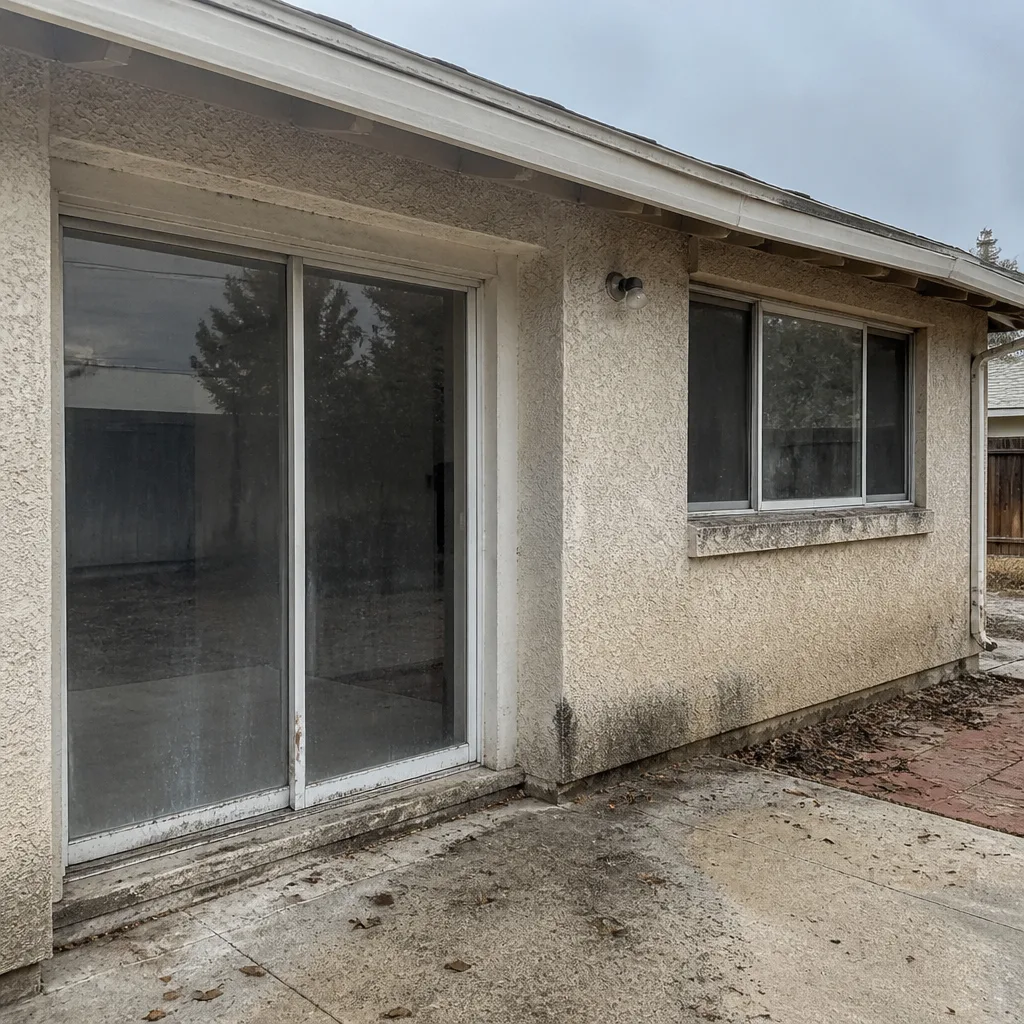 Before
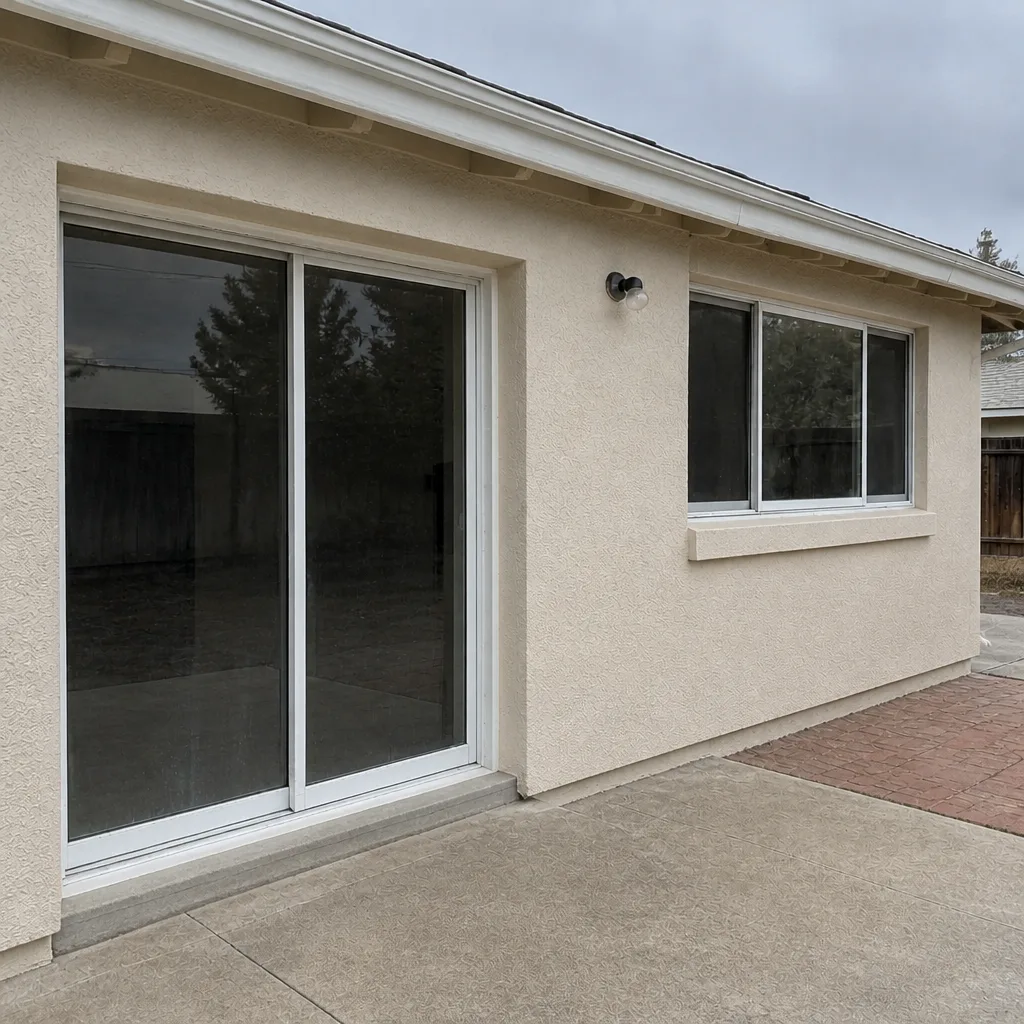 After
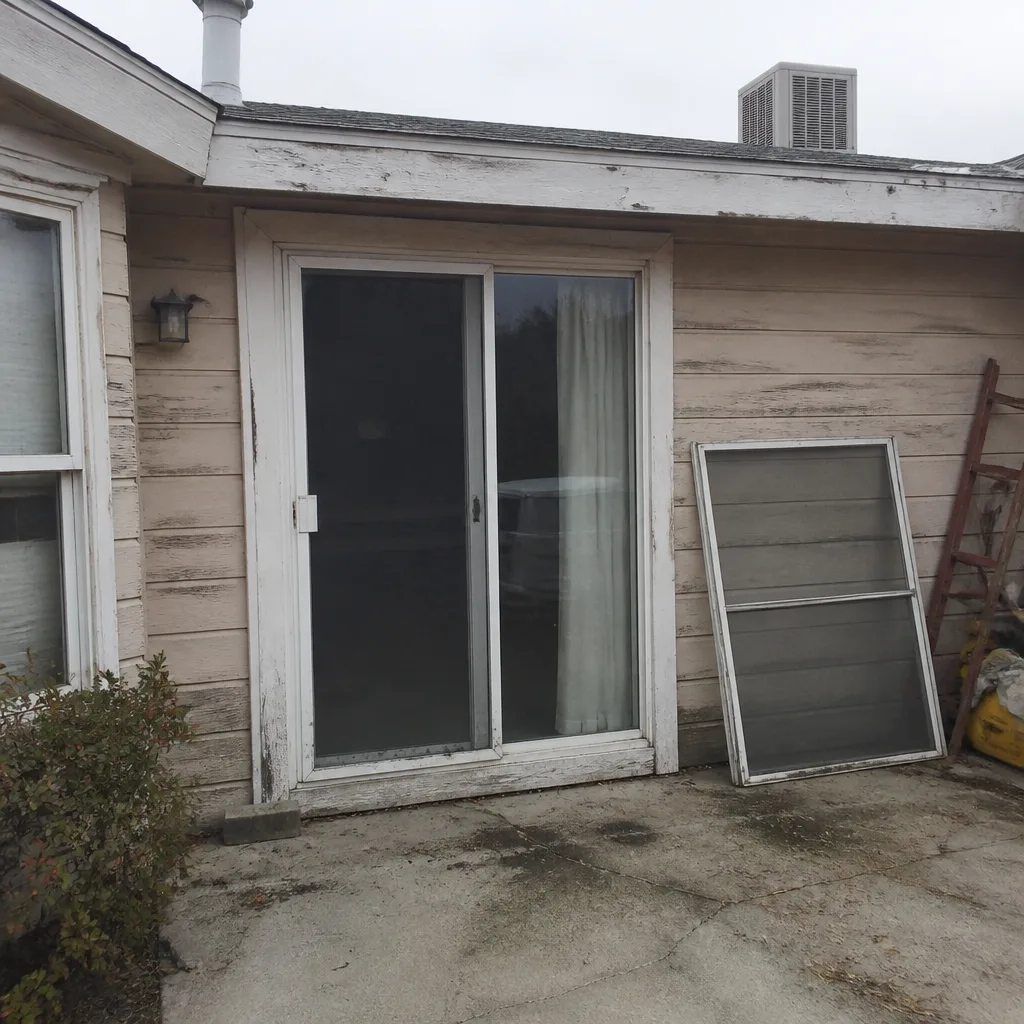 Before
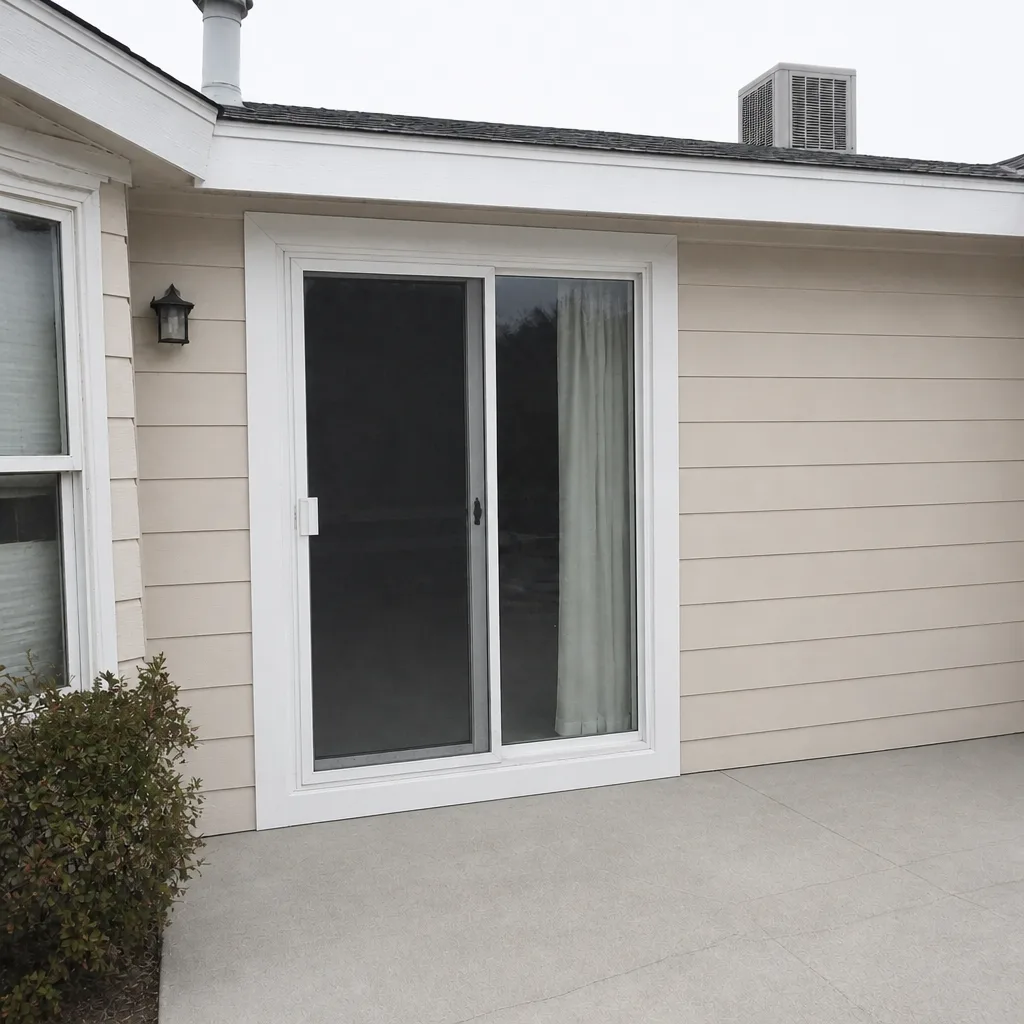 After
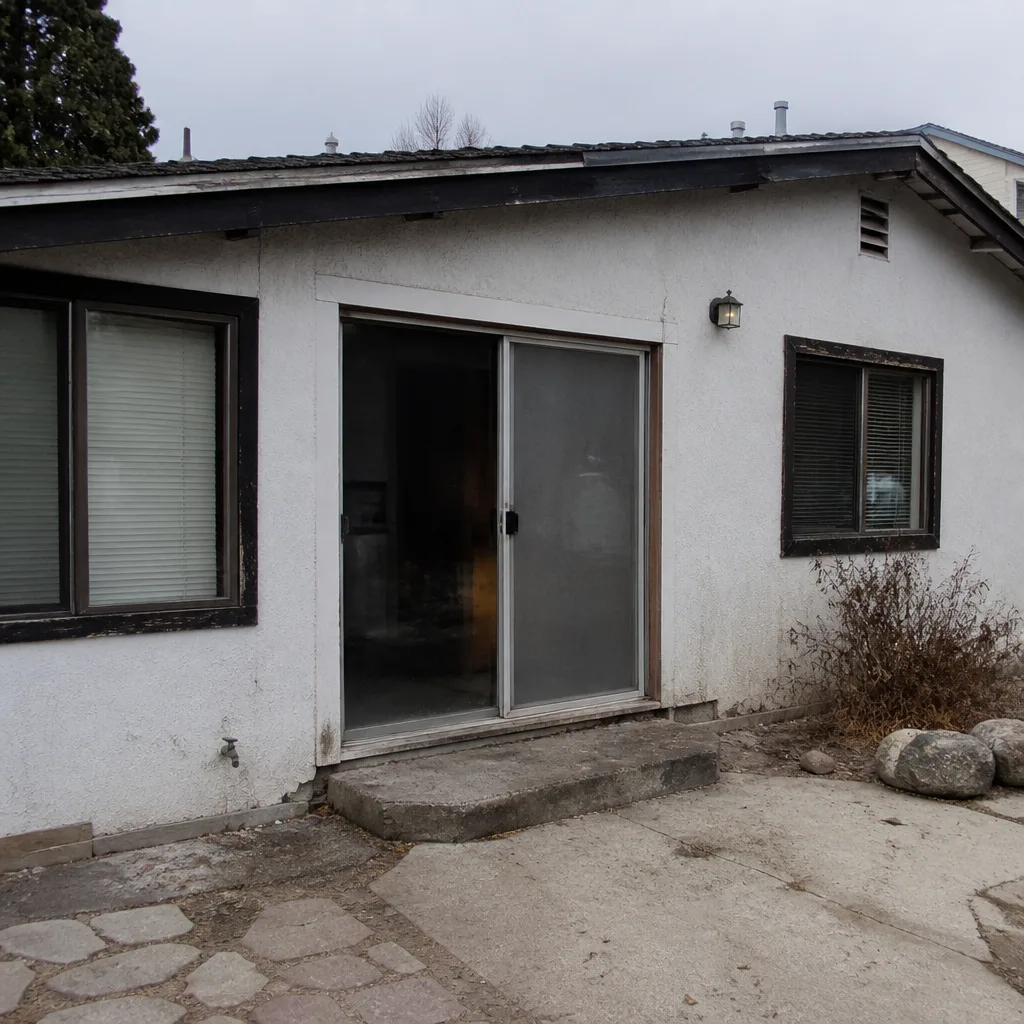 Before
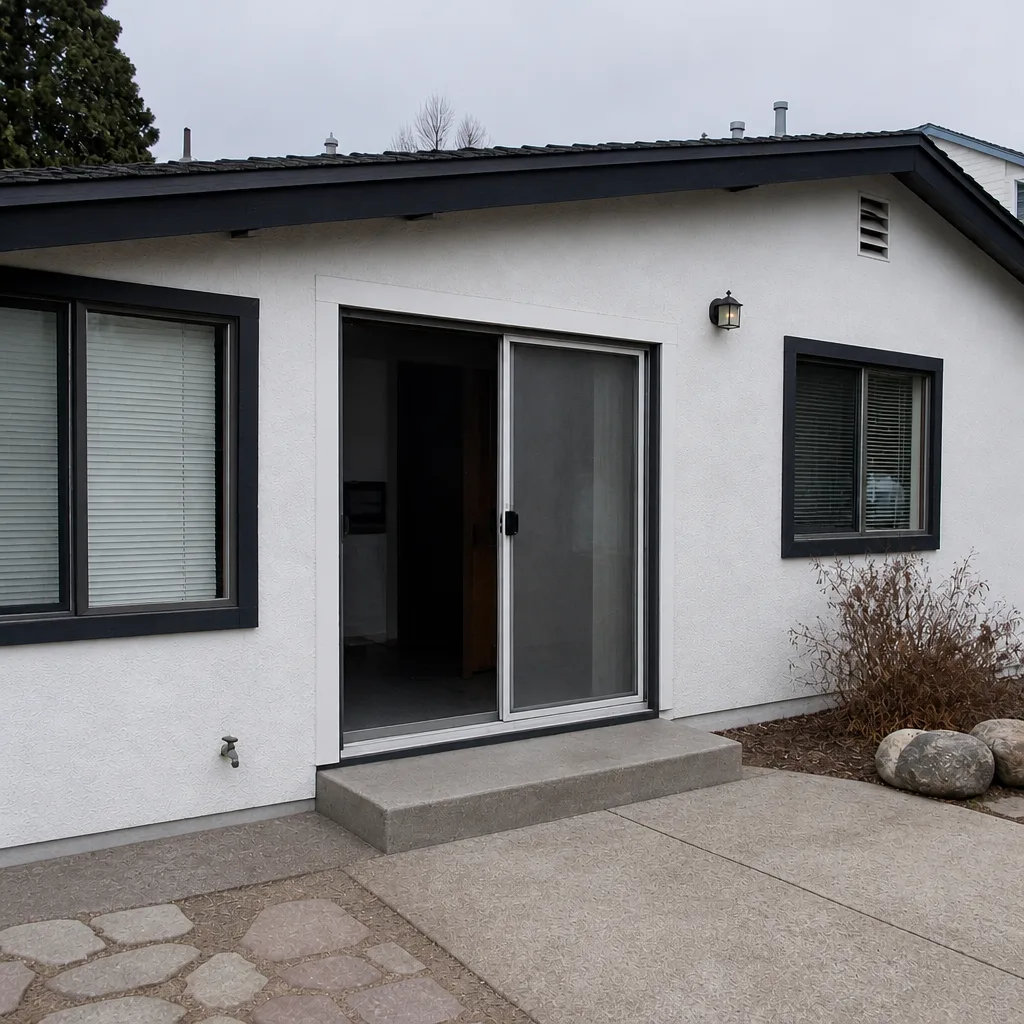 After