Last updated November 17, 2026
 Sliding glass doors
 Single hung
 Double hung
 Horizontal roller
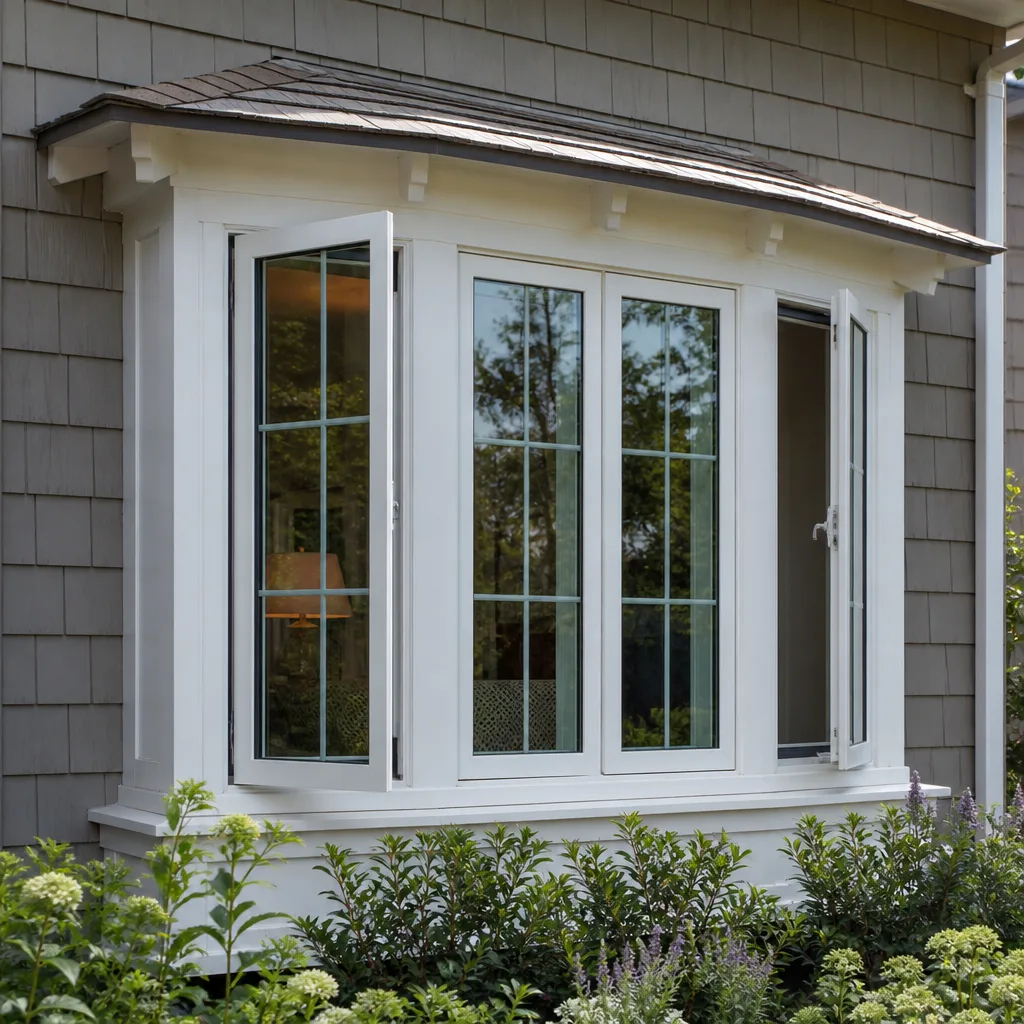 Casement
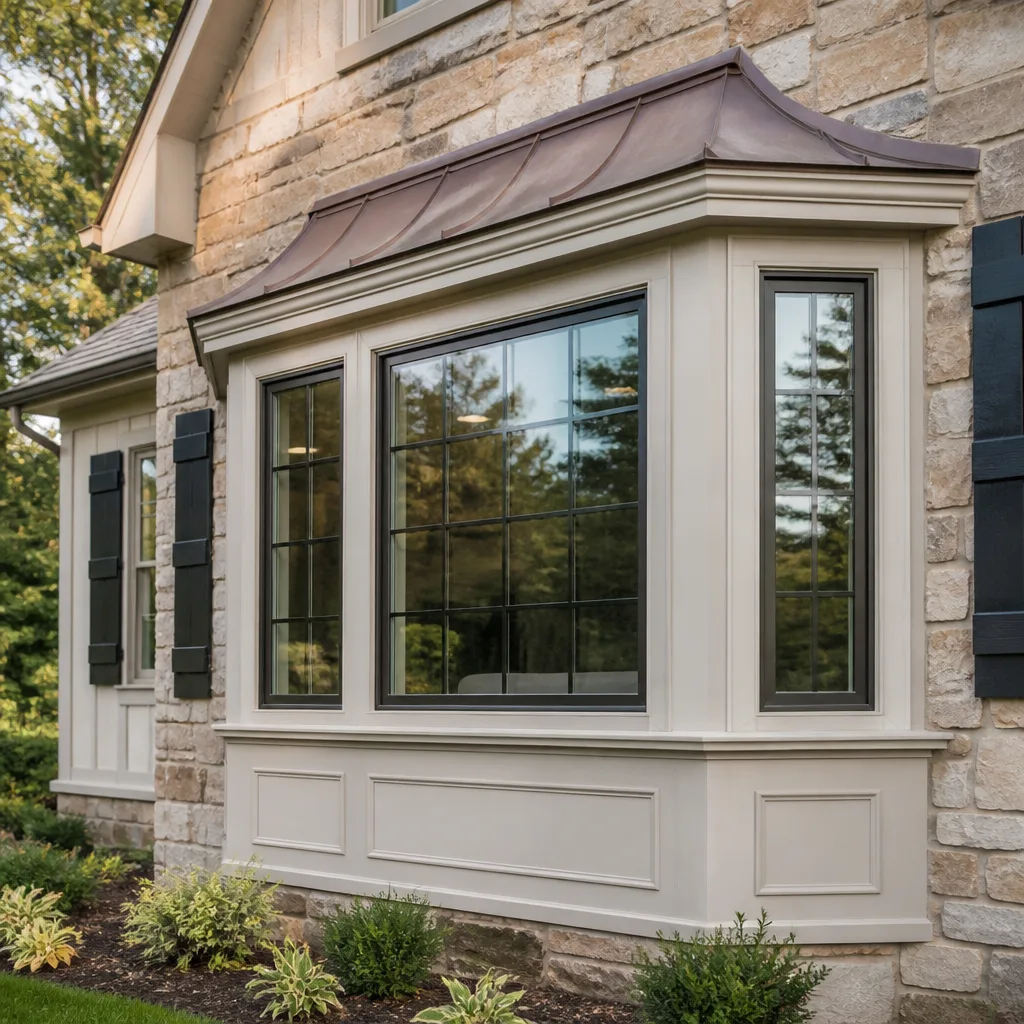 Bay & bow
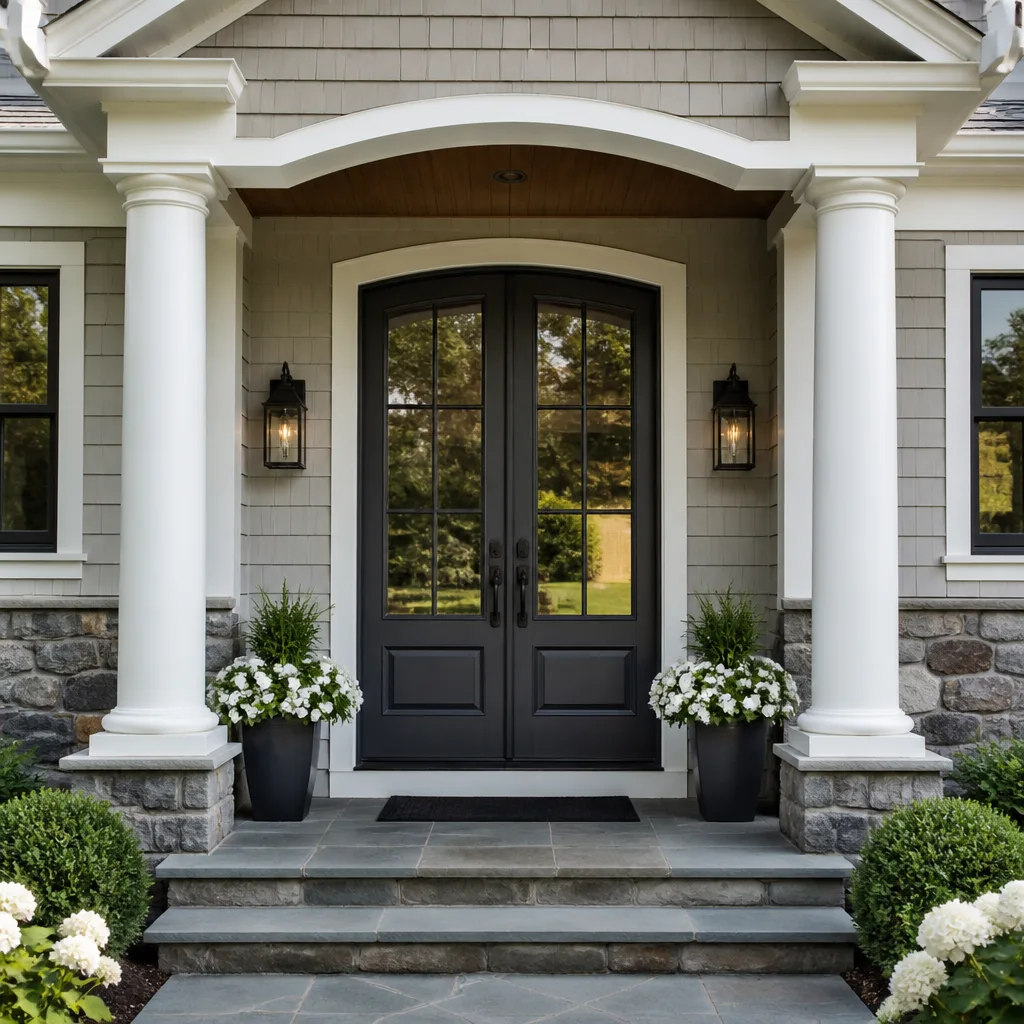 Entry doors
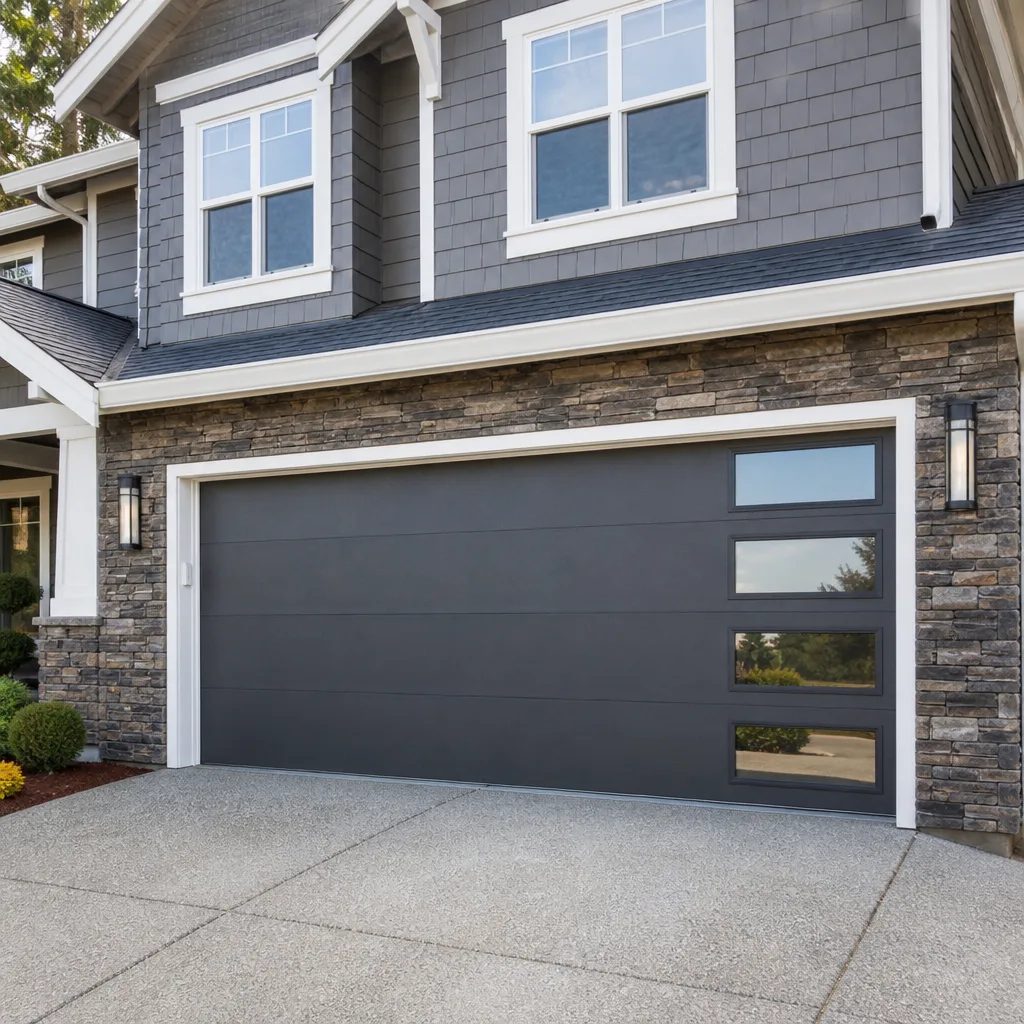 Impact garage doors
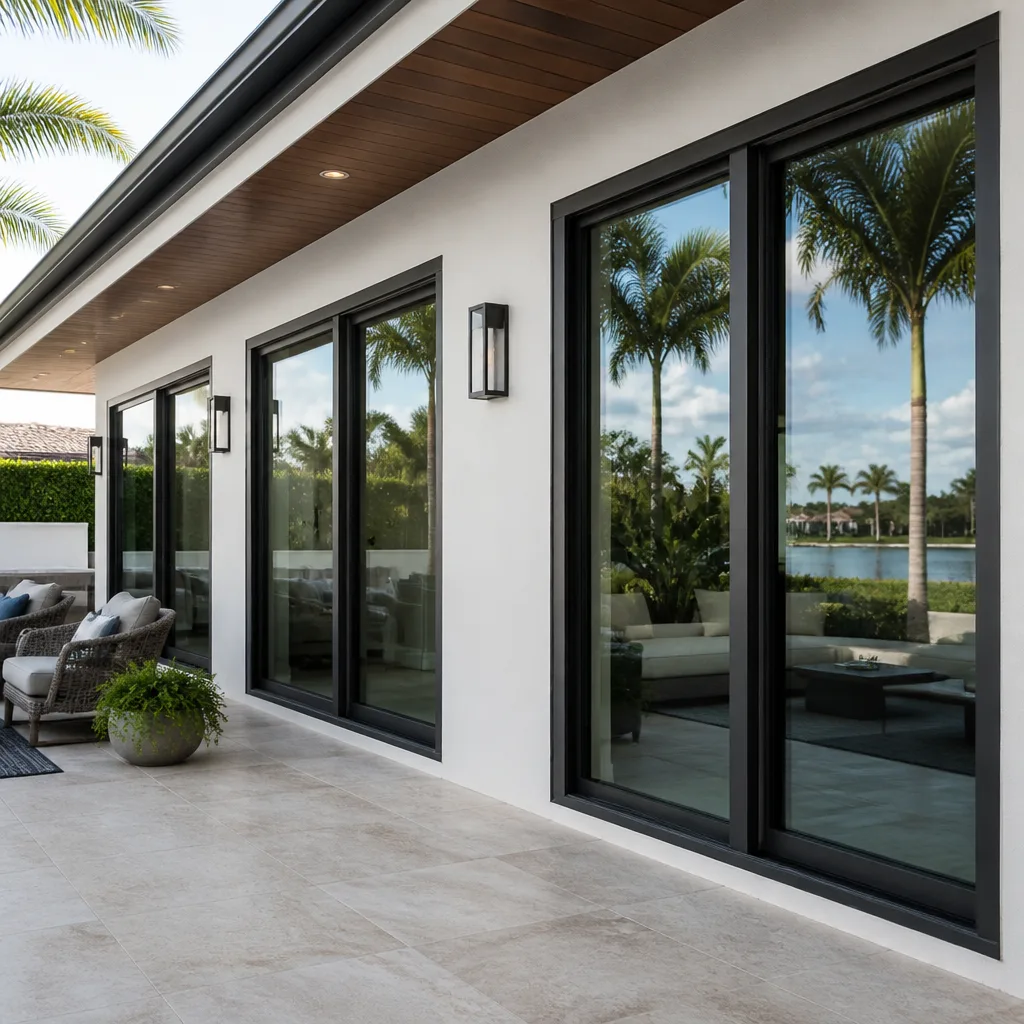 PGT
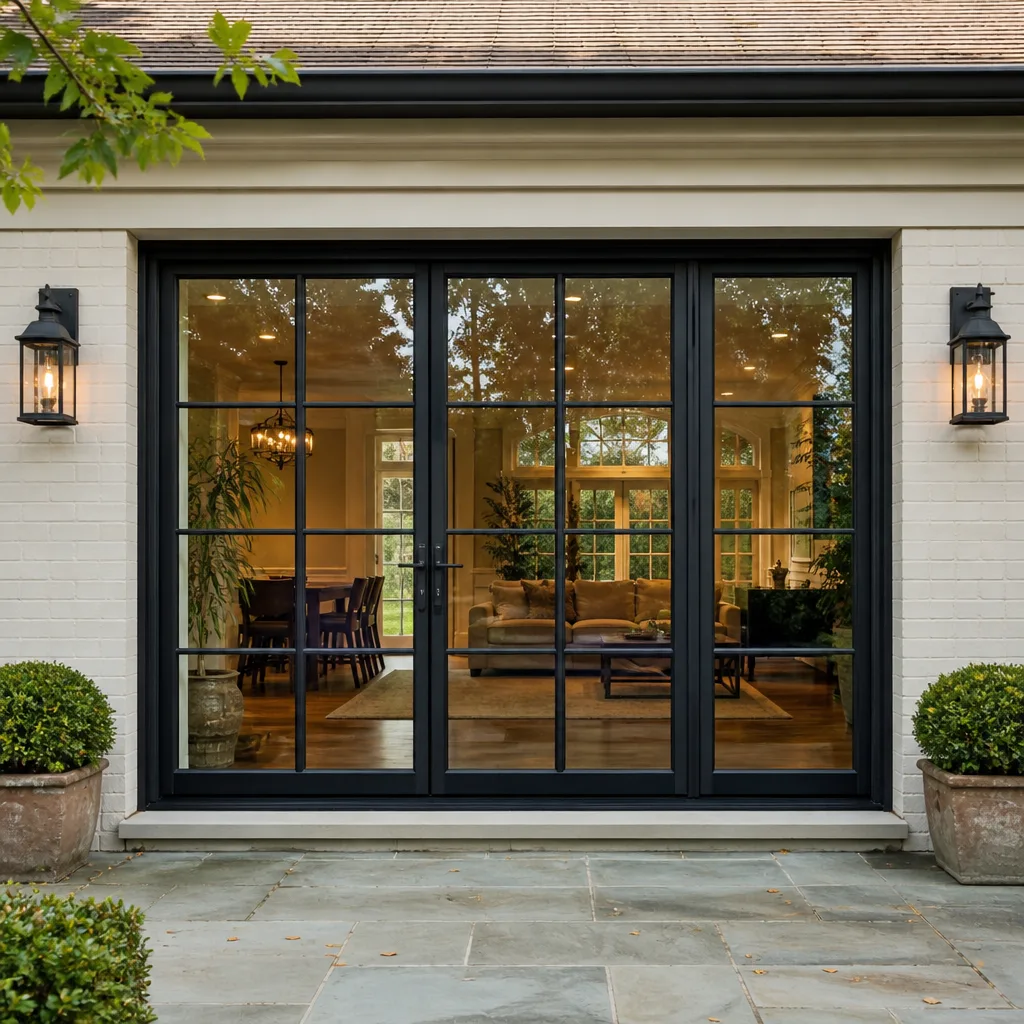 CGI
Free in-home measure and quote - PGT, CGI and CWS impact lines compared on your actual openings, style by style
Get your free estimateChoosing the Right Windows & Doors Brand: A Buyer’s Guide for Spring Valley
Three of the most heavily advertised window brands in the U.S. built their performance reputations in northern and coastal markets where heating load and water infiltration are the primary stressors. That doesn’t make them bad windows. It makes them potentially wrong windows for Spring Valley. Here, the sun does most of the damage: months of dry heat, intense ultraviolet exposure, and a desert valley that swings between blazing afternoons and cold winter nights. A product engineered to keep heat in and rain out is solving a problem you don’t have while ignoring the one you do. This guide walks through the performance specs that actually matter in Spring Valley, how to read a label without being fooled by it, and why the honest answer is often a different brand for your windows than for your front door.
Quick Answer
The right windows and doors brand for a Spring Valley home is the one whose product line is specified for a cooling-dominated desert climate, not the one with the biggest advertising budget. Look for low solar heat gain, UV-stable frame materials, hardware rated for heat and dust, and a warranty that still applies in extreme-heat environments. In most Spring Valley projects, that means one brand for the windows, another for the entry door, and possibly a third for the patio door – and a contractor who carries competing lines so the recommendation isn’t tied to what’s sitting in the warehouse.
Styles & brands we work with
- Single hung
- Double hung
- Horizontal roller
- Casement
- Bay & bow
- Sliding glass doors
- Entry doors
- Impact garage doors
- PGT
- CGI
Table of Contents
- The Five Performance Specs That Decide a Brand in Spring Valley
- How to Read an NFRC Label Here (and What to Ignore)
- Standard Product Line vs. Desert-Specified Options
- Warranty Geography: The Fine Print Nobody Reads
- Why Windows, Entry Doors, and Patio Doors Want Different Brands
- What Eight Product Lines Give You That One Dealer Can’t
- A Step-by-Step Way to Compare Brands Objectively
- Common Mistakes to Avoid
- When to Call a Professional
- Frequently Asked Questions
The Five Performance Specs That Decide a Brand in Spring Valley
Most window shopping starts with style and ends with price. The specs in between are where the real decision lives, and in Spring Valley’s climate, five of them carry more weight than the rest. If two brands look identical on a showroom wall, these are the numbers that separate them.
- Solar Heat Gain Coefficient (SHGC). This measures how much of the sun’s heat passes through the glass. In a cooling-dominated climate, lower is generally better because it reduces the load on your air conditioner. A brand that markets heavily on winter warmth may not prioritize low SHGC in its standard glazing.
- UV resistance of the frame material. Vinyl, fiberglass, aluminum, and wood-clad frames all weather differently under relentless sun. Some vinyl formulations chalk, yellow, or become brittle with prolonged UV exposure; others are stabilized for it. Ask the brand directly what UV stabilization its frames carry and whether the product is specified for high-altitude desert conditions.
- Thermal expansion coefficient. Desert heat means wide daily temperature swings between afternoon highs and cool nights. Materials expand and contract with that swing. Brands that engineer for it use expansion allowances in the frame design and joint details; brands that don’t can end up with seal failures and air leaks over time.
- Hardware corrosion rating. Dust, dry heat, and the occasional monsoon moisture all stress hardware – hinges, locks, rollers, and operators. Hardware rated for coastal salt spray isn’t automatically rated for desert dust abrasion. Ask what finish and base metal the hardware uses.
- Warranty assignability. A warranty that stays with the house benefits you when you sell; one that stays with the original purchaser does not. This is a quiet but real difference between brands, and it matters more in a market like Spring Valley where homes change hands regularly.
None of these specs are hidden – they’re in the product documentation. The problem is that most homeowners are handed a glossy brochure instead. When we walk a Spring Valley homeowner through a comparison, we start with these five, then let style and price fall into place. We match the product to your home, not to our inventory.
How to Read an NFRC Label Here (and What to Ignore)
Every rated window sold in the U.S. carries an NFRC label – the National Fenestration Rating Council sticker that lists performance values. It’s the single most useful document in window shopping, but only if you read the fields that matter for Spring Valley. In a desert valley, roughly half the label tells you almost nothing.
Fields that matter here:
- SHGC – the number to watch first. Lower values reduce heat gain. Compare brands on this axis before you compare anything else.
- Visible Transmittance (VT) – how much daylight comes through. Very low SHGC glass can go dark; you want the balance that keeps the room bright without baking it.
- Air Leakage (AL) – a measure of how much air sneaks past the frame and sash. Dust intrusion and cooling loss both live here.
- Condensation Resistance (CR) – less critical in a dry climate, but still relevant in winter when interior humidity meets cold glass.
Fields that get overstated in cold-climate marketing:
- U-factor – the measure of heat loss through the assembly. It’s important, but in a cooling-dominated climate it’s a secondary driver compared to SHGC. A brand that leads with U-factor is telling you where its engineering focus was.
One more label reality: the NFRC evaluates a specific product configuration – glazing package, frame material, spacer, and gas fill. A brand’s strong label on one configuration does not guarantee the same numbers on the model your contractor is quoting. Ask for the label that matches the exact assembly being installed on your home, not the brand’s flagship spec sheet. If a quote doesn’t include the NFRC values for the actual product, that’s a fair question to ask before signing.
Standard Product Line vs. Desert-Specified Options
This is where a lot of Spring Valley homeowners get quietly under-served. A national brand’s standard product was engineered for a national average, and the national average is not the Mojave. Many manufacturers offer a desert or southwest-specified option – upgraded glazing, UV-stabilized frames, heat-rated hardware, or a different seal package – and the price difference between standard and desert spec is usually smaller than the performance difference.
How to tell whether the upgrade is priced fairly:
- Ask the contractor to quote both the standard and the desert-specified version of the same model, in writing, side by side.
- Ask for the NFRC values on both configurations – SHGC, U-factor, and VT – so you can see the actual performance delta, not the marketing description of it.
- Ask whether the desert specification changes the warranty terms. Sometimes it does.
- Compare the price gap to the performance gap. A modest upcharge for meaningfully lower SHGC and UV-stabilized framing usually pays back over the life of the window in a climate like Spring Valley’s, where the cooling season runs long.
The trap is a contractor who only carries the standard line and describes the desert upgrade as unnecessary. It might genuinely be unnecessary for your particular home and orientation – but you deserve to hear the comparison, not just the conclusion. When we quote a Spring Valley home, we’ve already looked at which lines in our portfolio offer a true desert-spec option, because recommending the standard product when the climate calls for more is a choice with consequences.
Warranty Geography: The Fine Print Nobody Reads
Window and door warranties are written by manufacturer lawyers for manufacturer protection, and they contain geographic caveats that rarely appear in the main warranty document. The details are usually tucked into the exclusions section or a separate specification sheet. In some cases, a manufacturer limits or reduces coverage for installations in extreme-heat environments. That’s not sinister – it’s an honest acknowledgment that the product was tested to certain conditions and not beyond them.
Here’s what to look for before you commit:
- Climate exclusions. Read the exclusions section for language about temperature extremes, sustained high heat, or “unusual environmental conditions.” If it’s there, ask the manufacturer’s rep what it means for a Spring Valley installation.
- Assignability. Does the warranty transfer to the next owner of the home, and is there a time limit or fee for the transfer? A transferable warranty is a real asset when you sell.
- Labor vs. product. Many warranties cover the product but not the labor to replace it. Ask what’s covered and for how long on each side.
- Installation warranty. The manufacturer’s warranty typically covers the product, not the installation. Your contractor should provide a separate workmanship warranty in writing. Ask for it before the job starts.
- Registration requirements. Some brands require the product to be registered within a set window to activate the full warranty term. Confirm who handles that registration – you or the contractor.
None of this is exotic. It’s just paperwork most people skip. When we quote a project in Spring Valley, we read the warranty alongside the spec sheet and flag anything that matters for your home’s exposure. That’s part of the free estimate, not an add-on.
Why Windows, Entry Doors, and Patio Doors Want Different Brands
A single-brand dealer has a structural problem: every recommendation has to come out of one catalog. That works if you’re replacing one window. It doesn’t work if you’re replacing twelve windows, an entry door, and a sliding patio door – because those three products have different jobs, and the brands that do each job best are rarely the same brand.
A window’s job in Spring Valley is thermal performance, UV resistance, and frame longevity. A fiberglass or stabilized vinyl window with low SHGC glazing from an energy-focused line is often the smart pick.
An entry door’s job is different. It has to be durable, weather-tight, secure, and hold up to daily abuse – and it often carries aesthetic weight the windows don’t. That’s why a brand like Therma-Tru, which has built its reputation on entry-door systems, gets recommended for the front door even when the windows come from a different line. For a Spring Valley home, the door also needs to be specified for sun exposure on whichever face it sits – a west-facing front door takes a beating the window on the shaded side never sees.
A patio door’s job combines both: glazed area for thermal performance, but a moving assembly – tracks, rollers, seals – that has to work smoothly for years despite dust. That’s a different engineering problem again, and the brands that solve it aren’t always the ones that make the best fixed windows.
We’re not loyal to a brand. We’re loyal to the spec sheet that matches your opening. That’s why we can carry at least one strong option in each category and let the home decide. If you want to know why we’d recommend one brand over another on your project, ask us – we’ll give you a straight answer, including when the answer is a brand we stock less of.
What Eight Product Lines Give You That One Dealer Can’t
A single-brand dealer can only ever recommend one thing. A multi-brand specialist can compare. That difference sounds small until you’re comparing quotes and realize the contractor across town is telling you the same thing as the contractor next door because they both only carry one line.
Our portfolio spans eight brands: PGT, CGI, CWS, ES Windows, ECO Window Systems, Mr-Glass, Therma-Tru, and ViewLux. Among those, we carry impact-rated product lines (PGT, CGI, ES Windows, ECO Window Systems) for homes that need storm or wind-load compliance, and premium entry-door systems from Therma-Tru for the front door. The energy-focused lines – ES Windows and ECO Window Systems – give us real options to recommend when a Spring Valley homeowner wants to lower cooling costs without giving up daylight. CWS and Mr-Glass round out the portfolio for specific configurations and value-driven projects.
What that means practically:
- You get a comparison, not a pitch. If two lines fit your opening equally well, you’ll see both priced and specified.
- The recommendation is brand-agnostic. Because we carry competing lines, the advice is driven by your home’s needs, not by which manufacturer offers the best dealer margin that quarter.
- Full-opening coordination. Windows, entry doors, and patio doors handled by one accountable crew rather than split across trades – one contract, one schedule, one point of accountability.
- Options at different price points. A budget doesn’t force you into a bad product; it narrows which line is the right call.
We match the product to your home, not to our inventory. That’s a promise you can only make if the inventory is broad enough to back it up.
A Step-by-Step Way to Compare Brands Objectively
Here’s how we walk a Spring Valley homeowner through a brand comparison, in the order a professional would actually do it. If you follow this sequence, you’ll compare brands on the same terms – not on whoever has the better presentation.
- Define the opening first. Before comparing brands, catalogue what you’re replacing: dimensions, orientation (north, south, east, west), glazed area, and the room’s primary use. A west-facing great room and a shaded bedroom have completely different performance requirements, and comparing brands without that context misses the point.
- Set the performance floor. Decide the minimum you’ll accept on SHGC, air leakage, and frame durability for the exposure in that room. This is your filter. Brands that don’t meet it aren’t in the conversation, no matter how well-reviewed.
- Compare NFRC values for the exact configuration being quoted. Not the brand’s flagship numbers – the actual product on the quote.
- Read the warranty along with the spec sheet. Climate exclusions, labor coverage, assignability, and registration requirements all matter.
- Compare total installed cost, not per-unit cost. A brand that quotes a lower unit price but requires more trim, flashing, or coordination work may not be the better deal in the end. Ask for the line-item written estimate so the comparison is apples to apples.
- Ask about installation standards. A great window installed poorly performs like a poor window. Ask what flashing and sealing standards the installer follows, and whether permits will be pulled where the project requires them.
- Ask what the recommendation would be at two different budgets. A contractor who can answer honestly at both ends of the range has a portfolio broad enough to make a real recommendation.
Do this once, and you’ll never compare brands by brochure again. It’s the same process whether you’re replacing one sliding door in Spring Valley or the full fenestration package on a new build.
See the difference
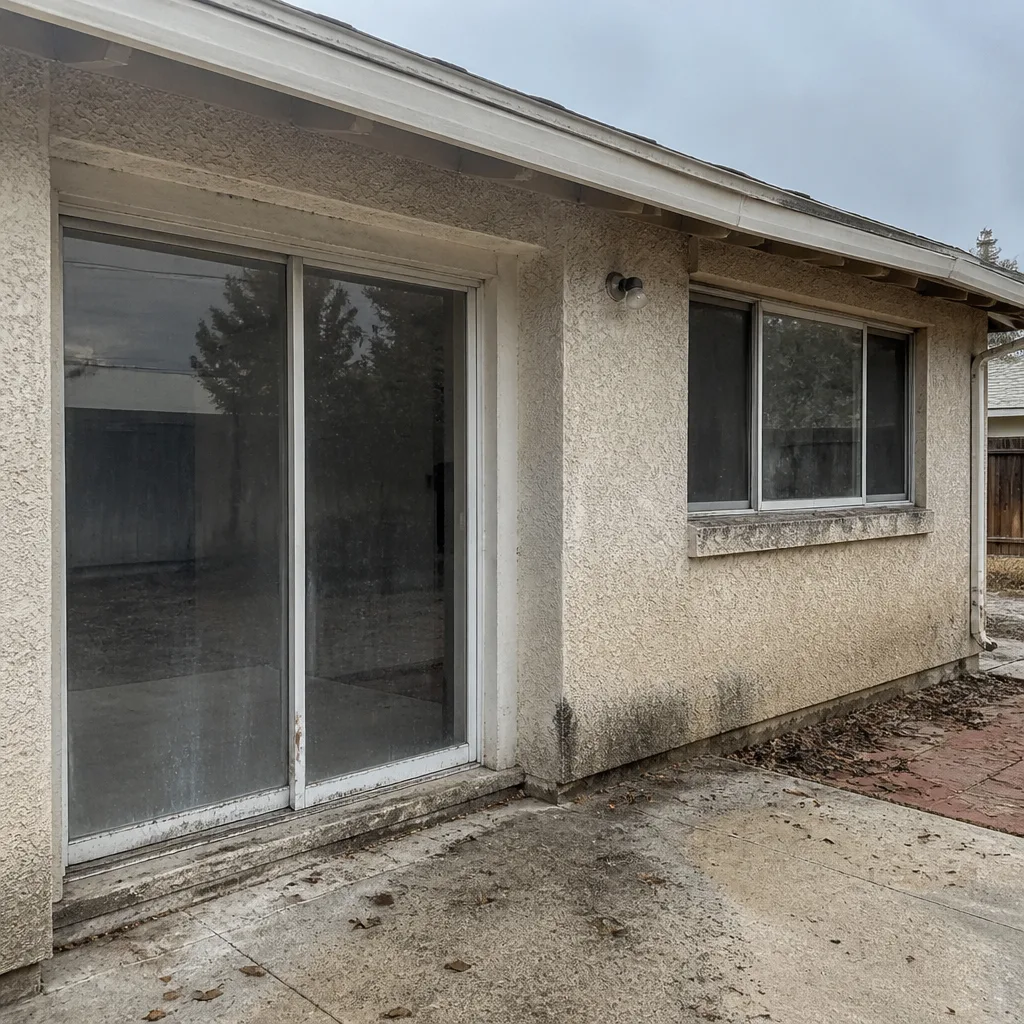 Before
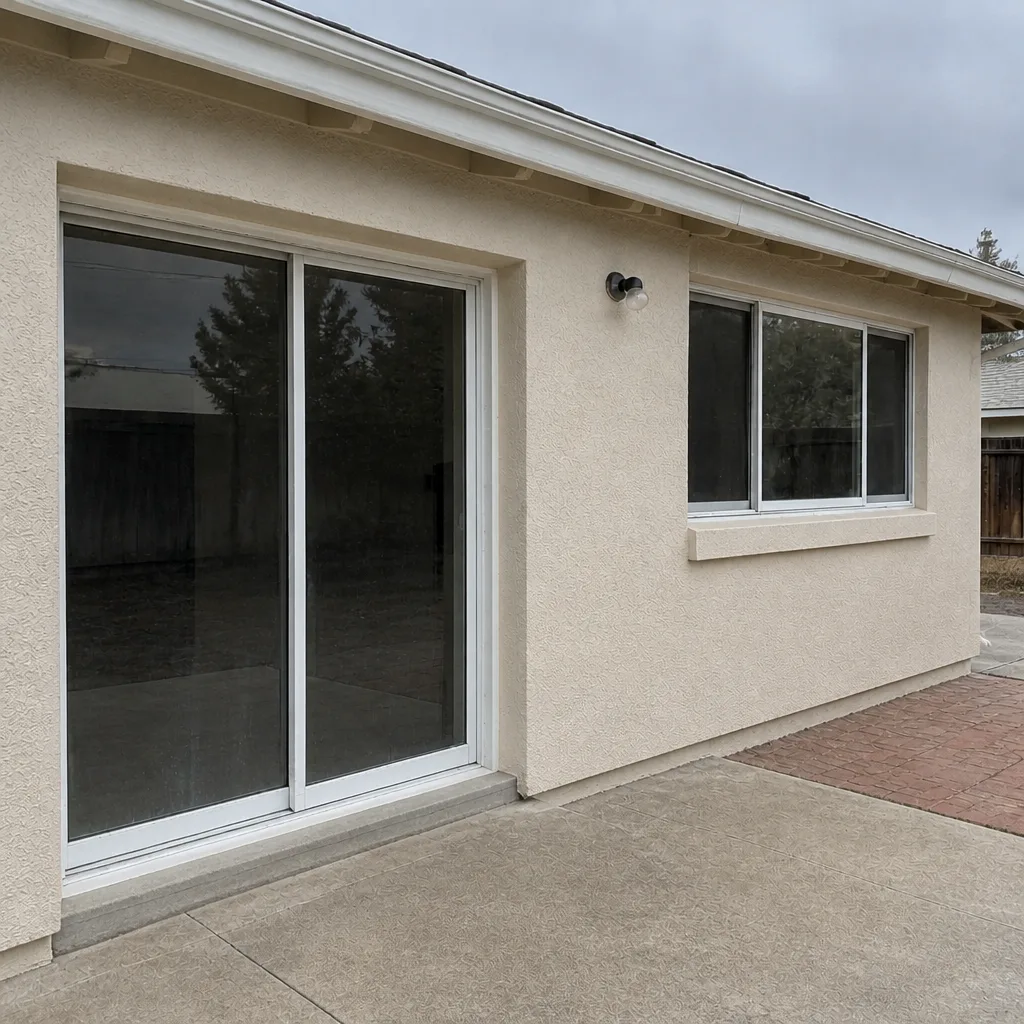 After
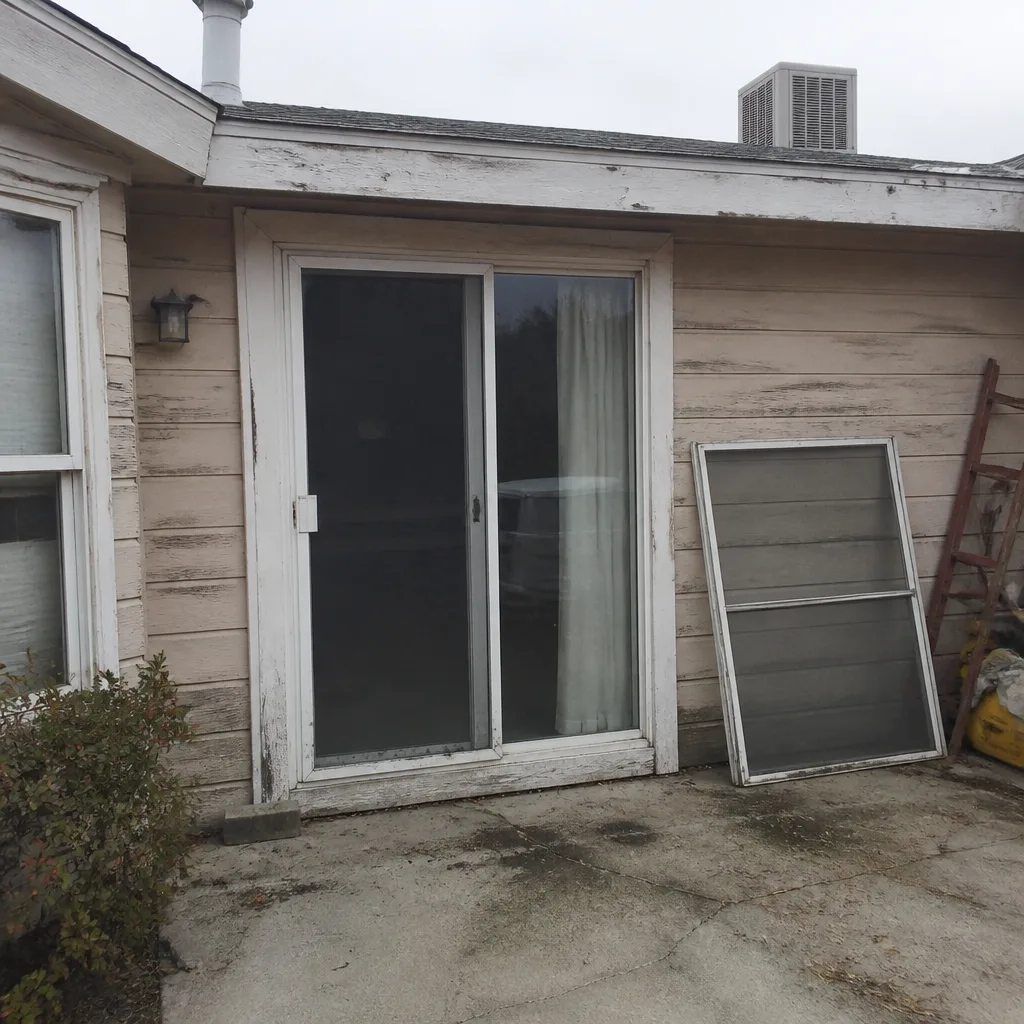 Before
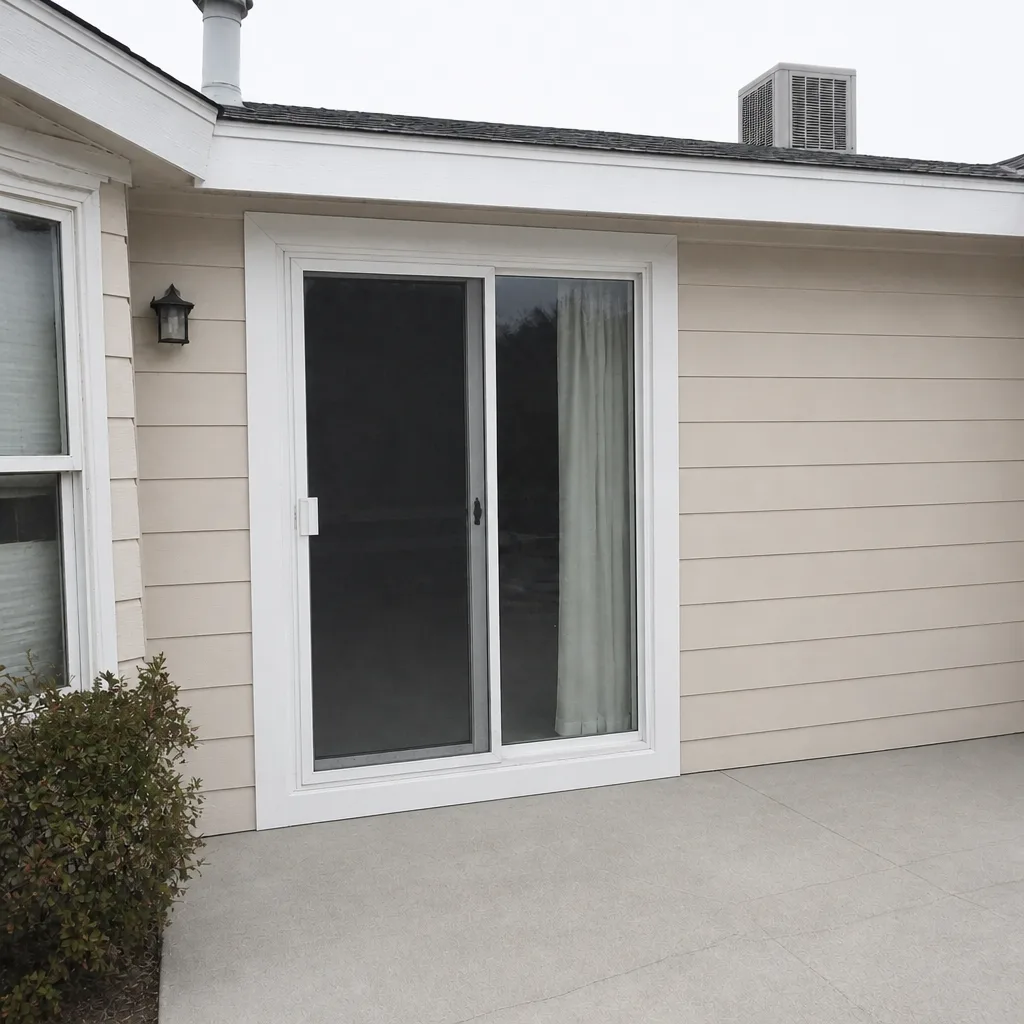 After
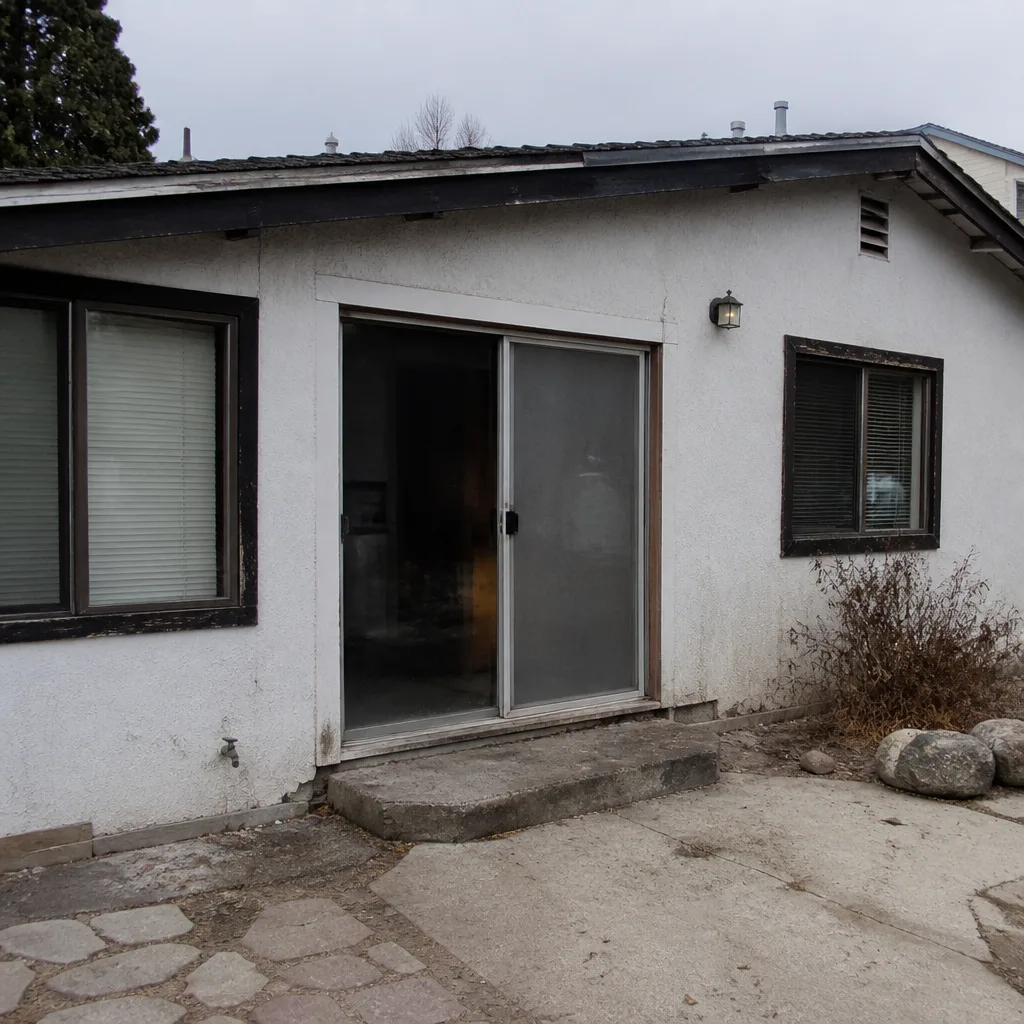 Before
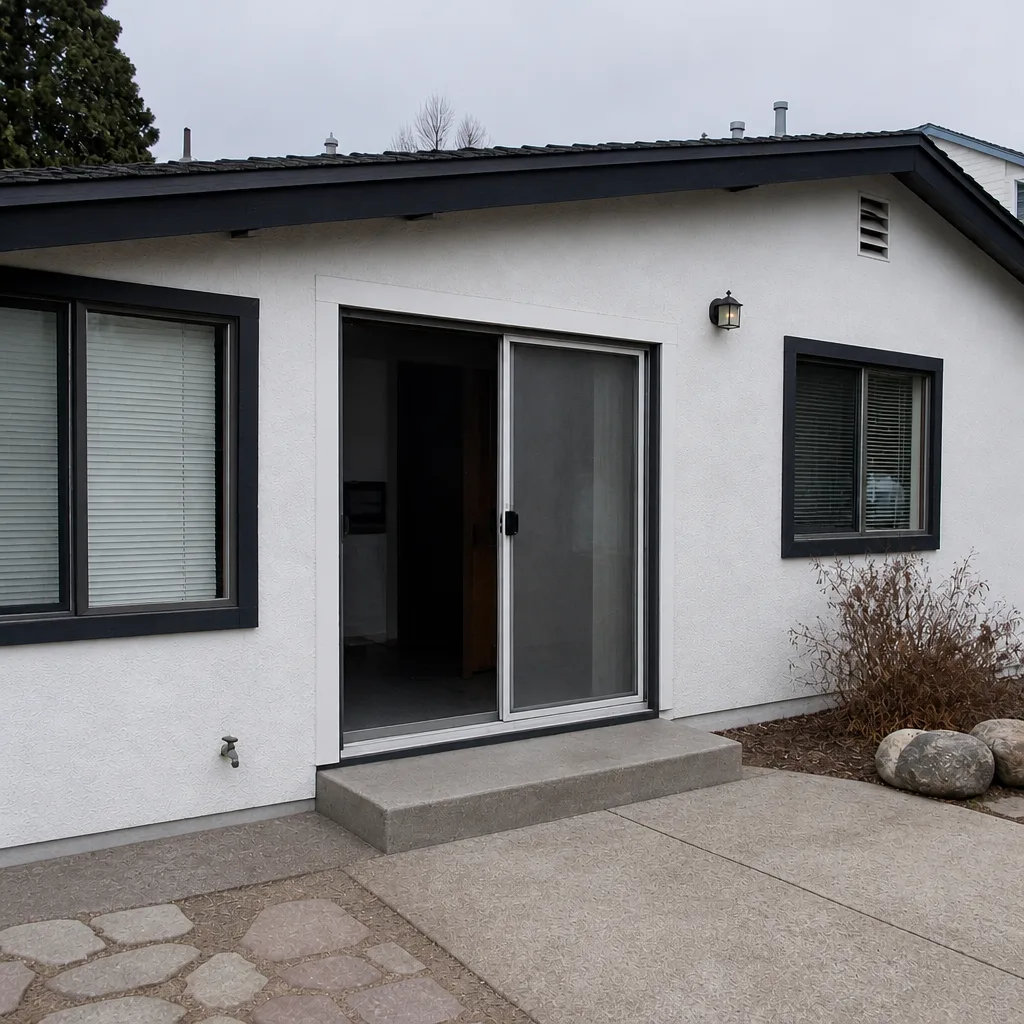 After
Why the Right Answer in Spring Valley Might Not Be the Familiar Name
Spring Valley sits in the Las Vegas Valley, and the climate here is cooler and drier than the coastal markets most of the big window brands built their reputations in. Winter nights can drop below freezing, summer afternoons push past anything most of the country experiences, and the valley’s elevation and dry air mean intense UV and very low humidity. A window that performs beautifully in Seattle can underperform in Spring Valley – not because it’s a bad window, but because it was optimized for a different stress profile.
This is why manufacturer marketing materials matter less than the product’s actual desert specification. If a brand’s brochure leads with winter warmth and water infiltration, those were the design priorities. If it leads with solar heat gain and UV resistance, so were those. Both can be excellent products – for the right home in the right climate. The job for a Spring Valley homeowner is to read the priorities, not the tagline.
Our technicians have up to 10 years of experience with windows and doors in this environment, and they’ve seen which spec choices hold up and which don’t. When we walk out to a Spring Valley home, we’re not speculating about how a product performs here – we’re reporting what the product documentation says and reconciling it with how we know this climate actually behaves.
Common Mistakes to Avoid
- Choosing the brand with the biggest ad budget. Advertising budget measures marketing spend, not performance in a desert climate. Read the spec sheet first, then decide if the brand name matches your requirements.
- Accepting a quote that omits NFRC values. A quote without the performance numbers for the exact product being installed isn’t a quote – it’s an invitation to guess. Ask for the label that matches the configuration.
- Using one brand for windows, doors, and patio doors out of habit. A single-brand dealer will naturally recommend their brand for every opening. That’s not dishonest – it’s just the limit of what they carry. Get a comparison across categories.
- Skipping the warranty in the name of speed. Climate exclusions and non-transferable warranties are quiet problems that show up years later. Ten minutes with the exclusions section now saves a headache later.
- Ignoring orientation. A window that’s perfect for a shaded north-facing bedroom may be the wrong choice for a west-facing wall soaking up afternoon sun in Spring Valley. Compare products per opening, not per home.
- Letting a contractor talk you out of the desert-spec upgrade without showing you the numbers. If the upgrade genuinely doesn’t fit your home, the contractor should be able to show you the NFRC comparison that proves it. If they can’t, ask again.
- Comparing only the unit price. Total installed cost – including trim, flashing, permits, and installation labor – is the number that matters. Ask for a line-item written estimate so the comparison is honest.
When to Call a Professional
Window and door replacement involves structural openings, code compliance for wind-loading and impact resistance in some configurations, proper flashing and sealing, and electrical connections for some entry-door hardware. It’s not a weekend project, and it’s not a place to learn on the fly. Professional installation is what makes a good product into a good window.
Call a professional if you’re replacing more than one or two units at once, if the openings are showing signs of water intrusion, air leakage, or frame damage, if your home needs impact-rated product for code compliance, or if you want a real brand comparison across multiple lines without being limited to one dealer’s catalog. A reputable contractor will walk the home, measure, assess orientation and exposure, and provide a written line-item estimate. Spring Valley Windows & Doors offers free estimates in Spring Valley – call (833) 549-7716 to schedule yours.
Frequently Asked Questions
There isn’t one best brand – there’s a best brand for each opening based on exposure, orientation, and performance requirements. For a cooling-dominated climate like Spring Valley’s, the brand worth comparing first is the one whose standard product line carries low solar heat gain, UV-stabilized frames, and a desert-specified option. Impact-rated and energy-focused lines (PGT, CGI, ES Windows, and ECO Window Systems among our portfolio) each serve different needs, so the answer changes with the home. Call (833) 549-7716 for a free estimate and a side-by-side comparison.
Some Spring Valley homes require impact-rated product for code compliance, and some homeowners choose it for peace of mind during wind events. Whether your home needs it depends on the home’s exposure and the local code requirements for your specific property. We carry several impact-rated lines (PGT, CGI, ES Windows, and ECO Window Systems) specifically because the requirement comes up in this market. Ask your contractor to confirm what applies to your property before you choose a product.
Solar Heat Gain Coefficient (SHGC) should be the first number you compare, because it directly measures how much of the sun’s heat passes through the glass into your home. In a cooling-dominated climate, lower SHGC reduces the load on your air conditioner. U-factor, which measures heat loss, is worth looking at too, but for most Spring Valley homes SHGC is the lead spec. Ask for the NFRC values on the exact configuration being quoted, not the brand’s flagship spec sheet. Call (833) 549-7716 to talk through what numbers fit your home.
Read the exclusions section of the warranty, not just the summary – that’s where climate-related exclusions and reduced terms are usually disclosed. If you find language about “extreme environmental conditions,” “sustained high heat,” or similar, ask the contractor or the manufacturer’s representative what it means for a Spring Valley installation. Also confirm whether the warranty is assignable to the next owner if the home is sold, and whether you or the contractor is responsible for registering the product. A good contractor will read the warranty with you – that’s part of the project, not an extra.
Yes – and it’s the better path in most cases, because a single accountable crew coordinates the schedule and the installation details across all the openings. That matters most when the openings are adjacent (a sliding patio door next to a fixed window, for example), because the flashing and sealing have to tie together cleanly. A multi-line contractor can also recommend a different brand for each category where performance or aesthetics makes it the right call. We handle window replacement, window installation, and door installation across our full portfolio. Call (833) 549-7716 to schedule a free estimate.
Replacement of same-size units in the same opening is often exempt from a full permit, but new construction and structural changes usually require one. The exact answer depends on your property and the specific scope of work. Ask your contractor to confirm the permit requirements for your project before the work starts, and get it in writing. A reputable contractor will pull the permits the project requires and pass the inspections – that’s part of the estimate, not a surprise.
The Bottom Line
Brand selection for windows and doors is a performance decision, not a popularity contest. In Spring Valley, the numbers that matter most are solar heat gain, UV stability of the frame material, thermal expansion behavior, hardware durability, and warranty assignability. Compare brands on the NFRC values for the exact configuration being quoted, check whether a desert-specified option exists and what it costs relative to the standard line, and read the warranty exclusions section before you sign. The right answer is often a different brand for windows, entry doors, and patio doors – and a contractor who carries eight competing lines can make that recommendation honestly. We match the product to your home, not to our inventory, and the estimate is always free.
Start Your Project With a Free Estimate
If you’re comparing windows and doors in Spring Valley and want a professional walkthrough that covers the spec sheets, not just the brochure, we can help. Spring Valley Windows & Doors brings eight trusted product lines to every project – covering window replacement, window installation, and door installation through one accountable crew. Whether you’re a Spring Valley homeowner comparing brands for the first time or a builder sourcing a fully coordinated exterior package, we’ll give you a straight answer and a written line-item estimate. Ask us why we’d recommend one brand over another on your home – that’s the conversation most dealers can’t have. Call (833) 549-7716. We answer 24/7. Fast dispatch from 7am to 7pm, Sunday through Friday. Spring Valley homeowners can get a free estimate scheduled with one call – no cost, no obligation, and no pressure to commit before the numbers make sense.
Written by the team at Spring Valley Windows & Doors.