Last updated November 17, 2026
 Sliding glass doors
 Single hung
 Double hung
 Horizontal roller
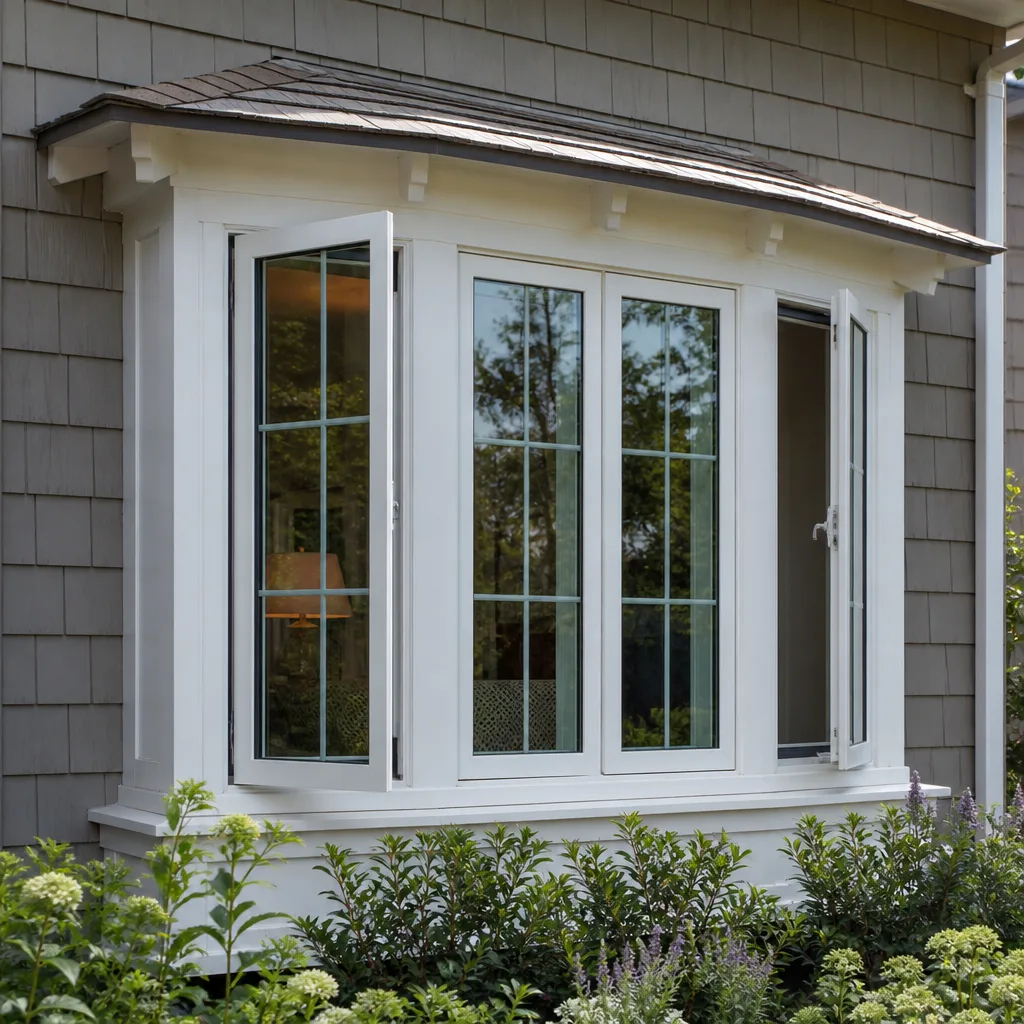 Casement
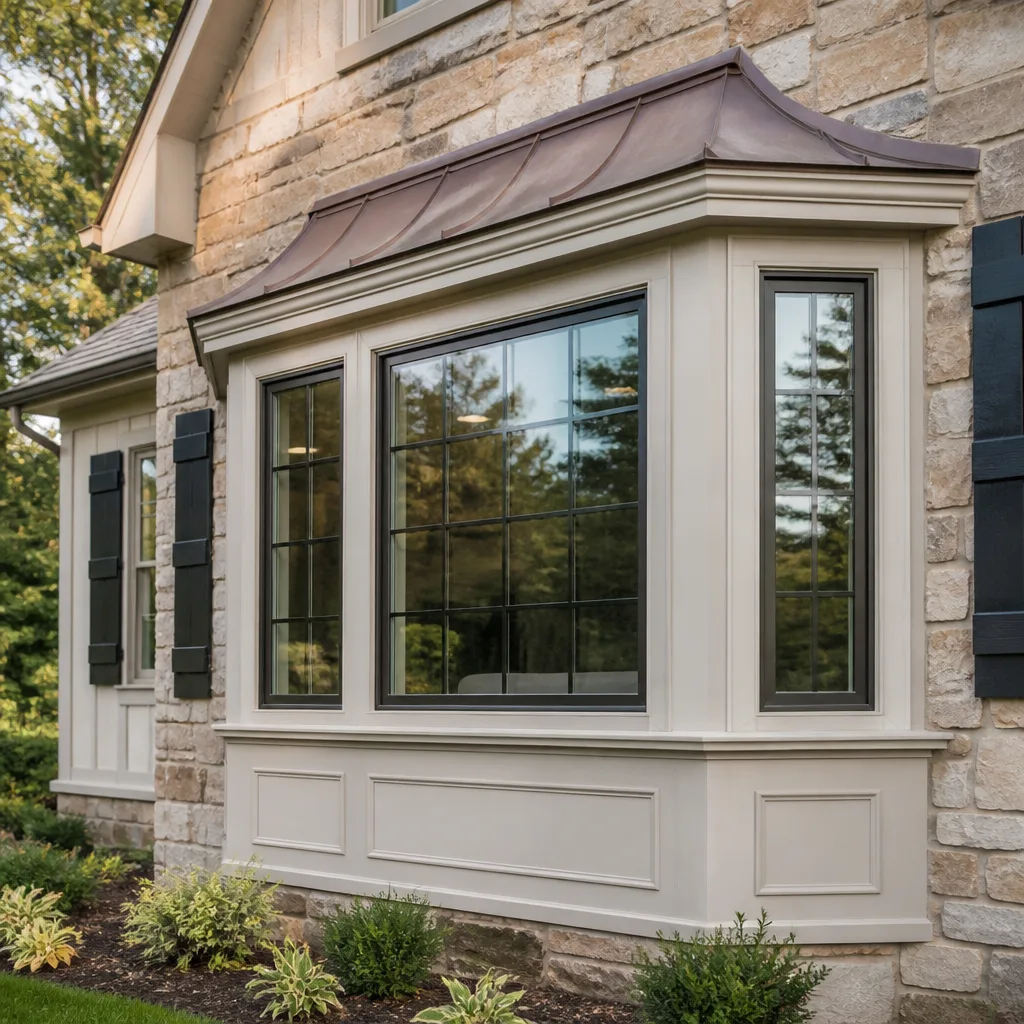 Bay & bow
 Entry doors
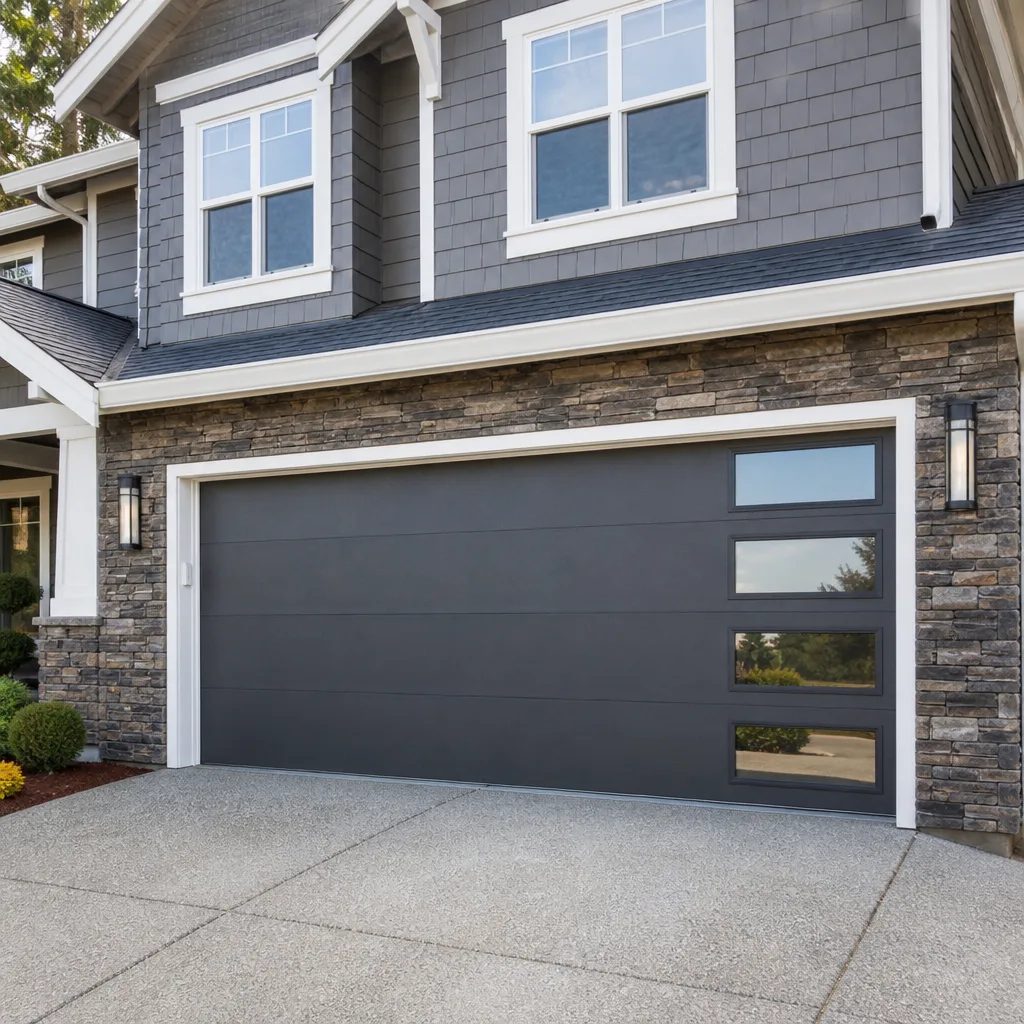 Impact garage doors
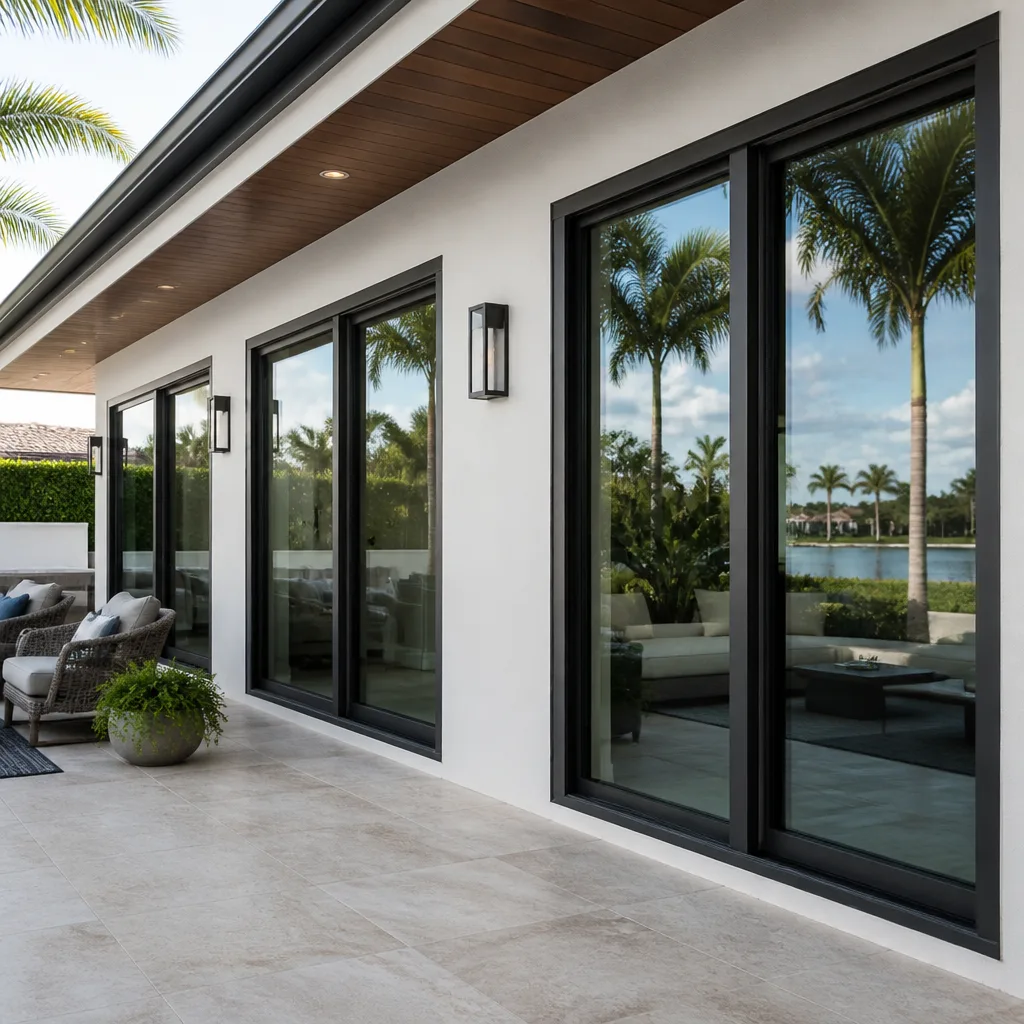 PGT
 CGI
Free in-home measure and quote - PGT, CGI and CWS impact lines compared on your actual openings, style by style
Get your free estimateWindows & Doors Warning Signs: A Spring Valley Homeowner’s Reference Guide
A fogged window looks like a cosmetic problem. Cosmetics don’t run up your electric bill. That milky haze between the panes is a failed seal on the insulating glass unit, and once that seal goes, the unit has already lost a significant share of its insulating value. In a Spring Valley summer, that shows up as real money on your cooling bill, not just something to squint past. The same logic applies across every opening in your home: the expensive failures announce themselves quietly, years before they become emergencies. This guide covers the early warning signs worth acting on, so you plan and budget a project instead of reacting to one.
Quick Answer
In Spring Valley, the warning signs that most reliably mean a window or door is heading for replacement are inter-pane fogging, separated frame corners on vinyl windows, door slabs that have warped out of plane, and openings that have grown stiff to operate. Each one points to a specific failure mode, and catching any of them early usually means you choose the timing and the product rather than letting a failure choose for you.
Styles & brands we work with
- Single hung
- Double hung
- Horizontal roller
- Casement
- Bay & bow
- Sliding glass doors
- Entry doors
- Impact garage doors
- PGT
- CGI
Table of Contents
- Inter-Pane Condensation and Fogging: The Seal Failure Signal
- Frame Corner Separation on Vinyl Windows
- Door Slab Warping: How to Diagnose It With a Straightedge
- Operational Resistance: What “Stiff to Open” Really Signals
- Reading Your Energy Bill for Window and Door Clues
- How the Spring Valley Climate Accelerates Wear
- A Seasonal Inspection Routine for Spring Valley Homes
- Repair or Replace? A Decision Framework
Inter-Pane Condensation and Fogging: The Seal Failure Signal
Fogging between the panes means the sealed insulating glass unit has failed. There’s no moisture getting in from outside; the desiccant inside the unit has absorbed all the moisture it can, the perimeter seal has broken down, and the dry gas between the panes has been replaced by ordinary air with ordinary humidity. When the glass cools, that moisture condenses on the inside of the cavity. You can’t clean it off, because it’s not on a surface you can reach.
That matters for performance and not just appearance. The sealed cavity is what does the insulating work. A unit that has lost its seal has lost a meaningful share of its thermal value, which in Spring Valley means your air conditioner works harder against heat gain through that glass all summer. The window still blocks wind and rain. It just stops doing the job you paid for.
Here’s how to tell fogging from ordinary surface condensation:
- Wipe the inside face of the glass on a cool morning. If the haze disappears, it was room-side condensation, and the unit is probably fine.
- Check the outside face the same way. Exterior condensation is normal in desert mornings when the glass surface drops below the dew point.
- If neither wipe clears it, look at the glass at an angle against a light source. Haze or a milky film trapped inside the cavity confirms a failed seal.
- Note whether the fogging is constant or only appears during temperature swings. Early seal failures often show up first on cold mornings and clear by afternoon.
When the unit is still under the manufacturer’s warranty, a failed seal is often a warranty claim rather than a full replacement decision, so find the original paperwork before you assume the worst. Once the unit is out of warranty, the practical question becomes whether to replace the glass unit alone or the whole window, and that depends on the condition of the frame. We’ve walked Spring Valley homeowners through both paths, and the honest answer varies by age and frame condition. If the frames are solid, a single failed unit doesn’t automatically mean a window replacement project.
Frame Corner Separation on Vinyl Windows
Vinyl window frames are joined at the corners by a heat-welded seam. That weld is the strongest part of the frame when it’s intact, and the first thing to fail under repeated thermal cycling. Spring Valley’s temperature swings, cool nights against hot afternoons, work that joint every single day. Over years, the weld can crack or separate, and once it does, the frame is no longer a continuous barrier.
Look closely at each corner on the interior side. What you’re hunting for:
- A hairline crack running along the weld line itself.
- A visible gap or step where the two frame profiles meet.
- Paint or caulk that has cracked at the corner in a line that follows the joint.
- Discoloration or a water stain at the corner on the interior sill or drywall.
- Daylight visible through the corner when you look from inside on a bright day.
The reason this sign deserves attention early is what comes next. A separated corner is an open path for water. In a desert climate, water intrusion doesn’t announce itself the way it does where it rains weekly; a small leak can go unnoticed for months, wicking into the wall cavity and the framing behind the drywall, until you see a stain far from the window itself. By the time the interior damage shows, the frame has usually moved past repair.
Frames from different manufacturers hold up differently under this kind of cycling, which is one reason we carry competing lines rather than one. Some vinyl systems are simply built with heavier profiles and better corner welds than others, and the difference shows up in corners first. If you’re seeing separation on multiple windows in a Spring Valley home, that’s a pattern, not bad luck, and it’s worth having the whole set assessed together.
Door Slab Warping: How to Diagnose It With a Straightedge
A warped door slab is a weatherproofing and security problem in progress. Warp usually starts small: the door still latches, still looks fine from across the room, and just feels slightly different. What’s actually happening is that the slab has twisted out of plane, so the edges no longer sit flat against the frame and the weatherstripping no longer makes uniform contact. In Spring Valley, that means hot air and dust working their way in around a door that used to seal tight.
You can check for warp with two tools you already have:
- The straightedge test. Place a long level or straightedge flat against the face of the door, vertically, then diagonally in both directions. Any consistent gap between the straightedge and the slab is warp, not a curve in the door’s design.
- The light gap test. Close the door and stand inside in a darkened room. Run a flashlight around the perimeter of the door and watch from the outside, or look for daylight coming through from outside. Even, thin light all the way around is normal. A wedge of bright light at one corner and none at the opposite corner indicates the slab has twisted.
- The paper test. Close the door on a dollar bill or a strip of paper at several points around the perimeter. If the strip pulls out freely at some points and grips tightly at others, the weatherstripping contact is uneven.
Warp on an entry door is worth catching early for two reasons. First, a door that no longer seals is an energy and comfort problem you’ll feel every summer. Second, once the slab twists far enough, it stops engaging the deadbolt and strike plate properly, and that’s a security concern you don’t want to discover by accident. Therma-Tru entry systems are one of the lines we install for exactly this reason: when a slab has genuinely warped past adjustment, the right fix is a well-built replacement door, not another round of tightening the hinges.
One caution: not every sticking door is warped. Hinge sag, settling, and swollen weatherstripping all cause similar symptoms, and those are adjustable. The straightedge and light gap tests tell you which problem you actually have before you spend money on the wrong solution.
Operational Resistance: What “Stiff to Open” Really Signals
A window or door that has grown stiff to operate is telling you something specific: the hardware, the weatherstripping, or the operating mechanism is under abnormal load. That resistance is an early warning, not an inconvenience to push through. Continue forcing it and the failure moves from a component you can replace to a frame you can’t.
What stiffness means by product type:
- Casement windows: Resistance in the crank usually means the operator arm is binding or the sash has shifted in the frame. Keep forcing it and the crank mechanism strips out, which turns a hardware swap into a full sash or window replacement.
- Sliding windows and patio doors: Stiffness here is often roller wear or a track that has filled with desert dust. Sometimes it’s the frame itself out of square. Rollers are a straightforward fix; an out-of-square frame is not.
- Entry doors: A door that needs a shoulder to close is dragging on the threshold, has hinge wear, or has begun to warp. Early intervention keeps this a hinge and seal job.
- Awning and hopper windows: Resistance at the hinge side often means the seal has compressed unevenly or the hinge has corroded. In a dusty environment, hinge hardware collects grit and grinds rather than glides.
The pattern worth recognizing: stiffness is reversible when it’s hardware, and it’s the first sound of a bigger problem when it’s the frame. In Spring Valley’s dust and heat, the grit-and-dry-out cycle speeds up hardware wear, so a window that operated smoothly two summers ago and now needs two hands is a window worth having looked at before the failure becomes structural. That conversation belongs in the same breath as window installation only if the frame has genuinely moved; otherwise it’s a repair, and we’ll tell you so.
Reading Your Energy Bill for Window and Door Clues
Your cooling bill is a diagnostic tool if you read it correctly. The trick is separating window and door performance from the other things that move a summer bill: an aging air conditioner, a change in household habits, a hotter-than-usual stretch of weather. You don’t need a laboratory. You need a baseline and a little discipline about recording what changed.
Work through it in this order:
- Compare the same months year over year, not month over month. Cooling costs in Spring Valley swing hard with the season, so July against June tells you almost nothing. This July against last July tells you something.
- Rule out the HVAC first. If the air conditioner is running longer cycles, short-cycling, or struggling to hold the set temperature, that’s your likely cause. Have it serviced before you blame the windows.
- Rule out behavior changes. A new appliance, a home office running all day, guests staying for a month, a thermostat schedule that got changed. These move bills more than people expect.
- Then isolate by zone. On a hot afternoon, put your hand near the glass on west-facing windows and around the edges of entry doors. Warm air radiating from the interior glass surface or leaking around a door perimeter points at the openings.
- Check the sun-facing rooms against the shaded ones. If the rooms with the most glass are consistently the hardest to cool, and the glass is older or already showing fogging, you’ve found a real contributor.
What this tells you is direction, not a precise percentage. A failed seal, a warped door, or a separated frame won’t account for a doubled bill on its own. What it does is push a bill steadily upward in a way that compounds as more openings degrade. That’s the case for treating these signs as a set and planning a project on your schedule, with a written estimate in hand, rather than waiting for a hot spell to force the issue. Energy-efficient lines like ES Windows and ECO Window Systems exist because glass and frame performance genuinely varies between products, and replacing on a planned basis lets you choose a better-performing product instead of taking whatever’s available in a hurry.
How the Spring Valley Climate Accelerates Wear
Windows and doors in Spring Valley live a harder life than the same products in a mild climate. The specific stressors are worth understanding, because they explain why the warning signs in this guide tend to show up earlier here than the general advice suggests.
- Thermal cycling: The swing from cool desert nights to hot afternoons works every seal, weld, and gasket on a daily schedule. Sealants that stay flexible for years in a stable climate can harden and crack faster under this cycle.
- Dry heat and UV: Intense sun exposure degrades weatherstripping, glazing seals, and paint on exterior frames. Rubber seals go brittle and stop compressing, which is one reason doors start leaking air before anything looks broken.
- Dust and grit: Wind-borne dust works into tracks, hinges, and rollers. It’s abrasive, and it accelerates hardware wear on sliders and casements noticeably.
- Monsoon-season moisture: When the rains do arrive, they arrive hard and fast. A home that’s been fine all dry season can reveal an intrusion problem in a single storm, which is why the frame corner and door seal checks matter before the season turns.
This is also why product selection matters more here than in a forgiving climate. Impact-rated lines such as PGT and CGI, and the thermal performance focus behind ES Windows and ECO Window Systems, exist because the demands of hot, storm-exposed environments are real engineering problems. We match the product to your home, not to our inventory, and in Spring Valley that means weighing both heat performance and storm resilience for the same opening.
A Seasonal Inspection Routine for Spring Valley Homes
A ten-minute walkthrough twice a year catches most of what this guide describes. The point isn’t to become a window inspector. It’s to notice the changes that matter while you still have time to plan a project on your terms.
Before the hot season:
- Walk every room and look at each window from an angle. Note any inter-pane haze.
- Check every vinyl frame corner for cracks along the weld line.
- Open and close every window and exterior door. Note anything that takes more effort than it did the season before.
- Run the straightedge and light gap tests on your entry doors.
- Look at the weatherstripping around exterior doors. Brittle, flattened, or cracked seals need attention.
Before the monsoon season:
- Check the caulk and sealant around every exterior frame, interior side and exterior side.
- Look for water stains or discoloration on interior sills and the drywall below the frames.
- Clean out window and patio door tracks so they drain and slide freely.
- Check that door thresholds sit tight against the sill and that no gap has opened up.
Keep a note of what you find each time. A single stiff window means little; the same window getting stiffer each season is a trend, and trends are what you budget around. When several openings show signs at once, that’s the moment to get an assessment of the whole envelope rather than patching individual problems as they fail.
Repair or Replace? A Decision Framework
Not every warning sign means replacement. The judgement call is worth making deliberately, because the wrong answer either wastes money on a repair that won’t hold or spends more than you needed to. Here’s the framework we use when we walk a Spring Valley homeowner through the options.
Signs that usually point to repair:
- Sticking that traces to hardware, rollers, hinges, or weatherstripping.
- Failed seal on one window in a set of otherwise healthy windows, with solid frames.
- Doors that stick because of hinge sag or seasonal settling, not warp.
Signs that usually point to replacement:
- Separated frame corners, especially on more than one window.
- Door slabs with confirmed warp that no adjustment will correct.
- Fogging across multiple windows of the same age, suggesting the whole set is at end of life.
- Interior water staining or soft drywall below a frame, meaning the intrusion has been happening.
When replacement is the answer, wide product choice matters. With CWS, ES Windows, ECO Window Systems, Mr-Glass, and the other lines in the portfolio, we can steer toward the product that fits your home’s exposure, your budget, and your performance goals instead of what a single-brand dealer has on the shelf. Ask us why we recommend one brand over another; we’ll give you a straight answer.
Common Mistakes to Avoid
- Treating fogging as a cleaning problem. Homeowners scrub the inside of the glass for a season before realizing the haze is trapped in the cavity. If a wipe doesn’t clear it, the seal has failed and effort should go toward the fix, not the cleaning.
- Forcing a stiff window or door. Resistance is information. Forcing a binding casement can strip the operator and crack the sash, turning a hardware fix into a replacement. Stop and get it assessed.
- Caulking over a separated frame corner. A bead of caulk hides the symptom and traps water behind it. In Spring Valley, where the signs can stay hidden until the monsoon, that trap can do real damage to the framing before it’s discovered.
- Blaming the windows for a bill increase you haven’t isolated. HVAC performance and behavior changes move a cooling bill more than glass does. Rule those out first, then examine the openings.
- Assuming one brand is the answer before the problem is defined. A storm-exposed wall and a shaded bedroom have different requirements, and a single-line dealer will sell you the same product for both. Define the problem, then choose the product.
- Replacing under emergency pressure. The whole argument in this guide is that these signs give you years of notice. Waiting until a frame has failed in a storm means choosing products and contractors under pressure, at higher cost and with less flexibility.
- Ignoring the paperwork. A failed seal inside its warranty period can be a manufacturer claim. Find the original documentation before assuming you’re paying for the whole fix.
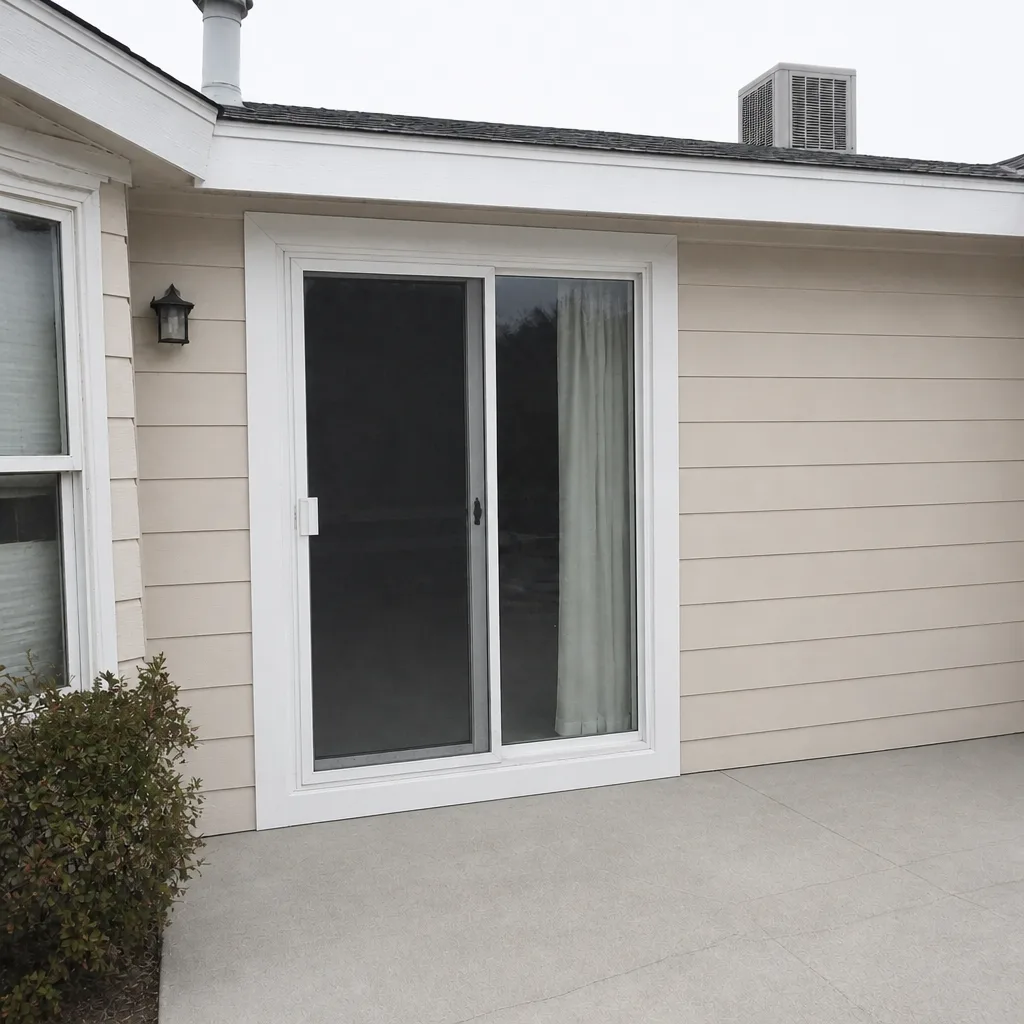
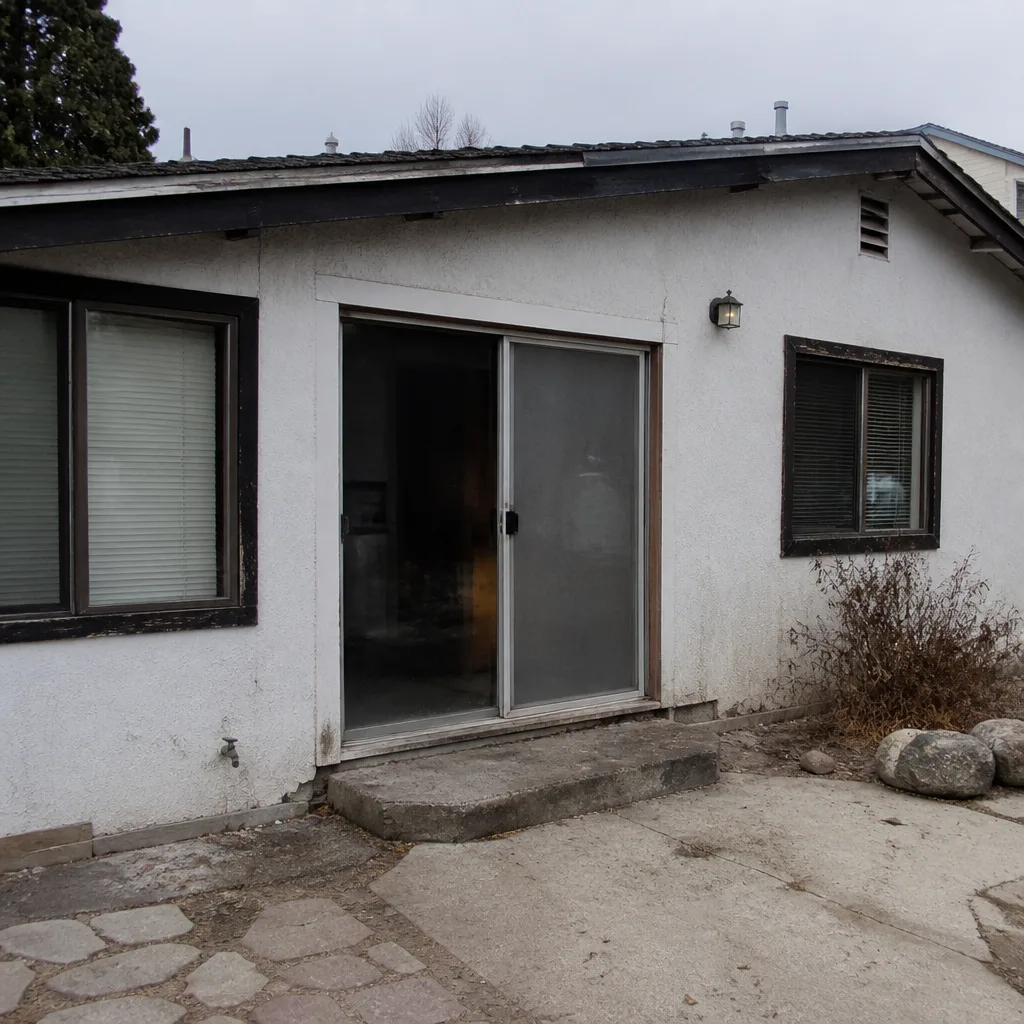
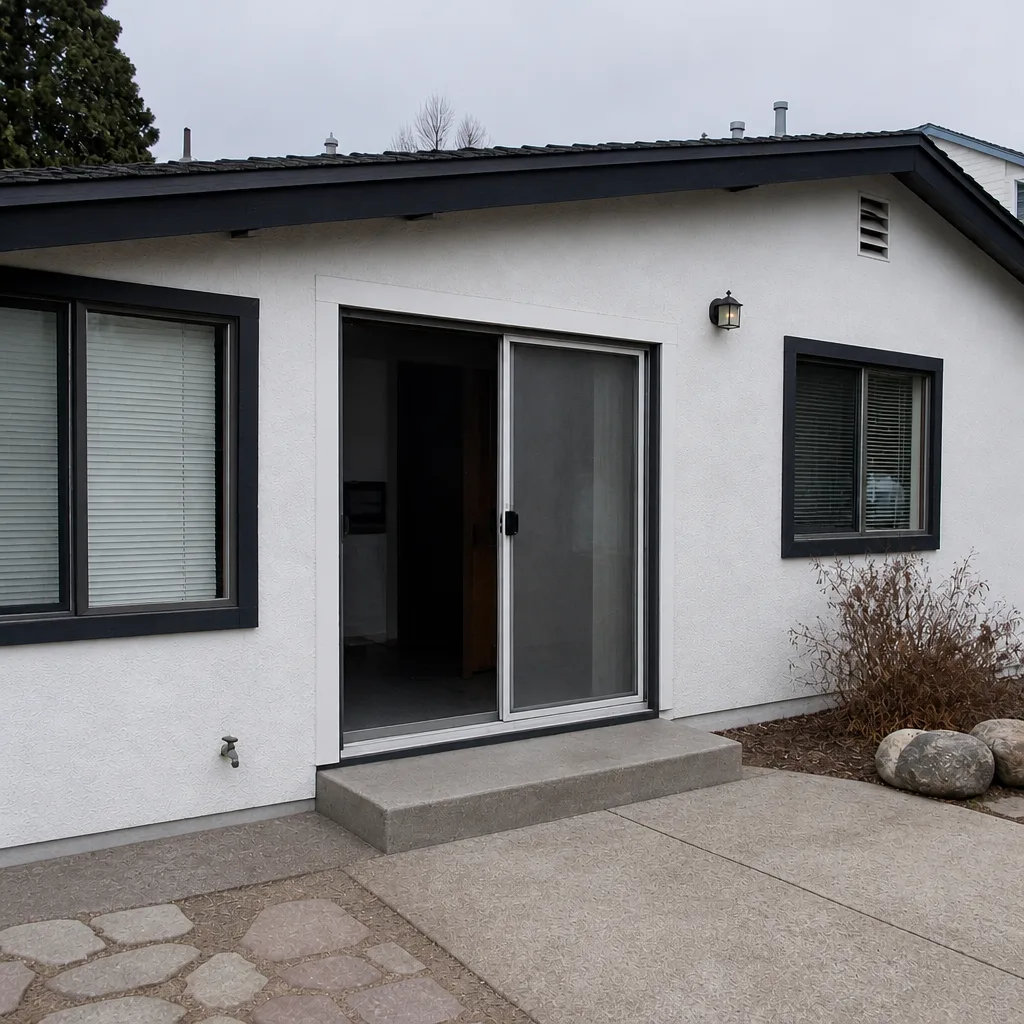
See the difference
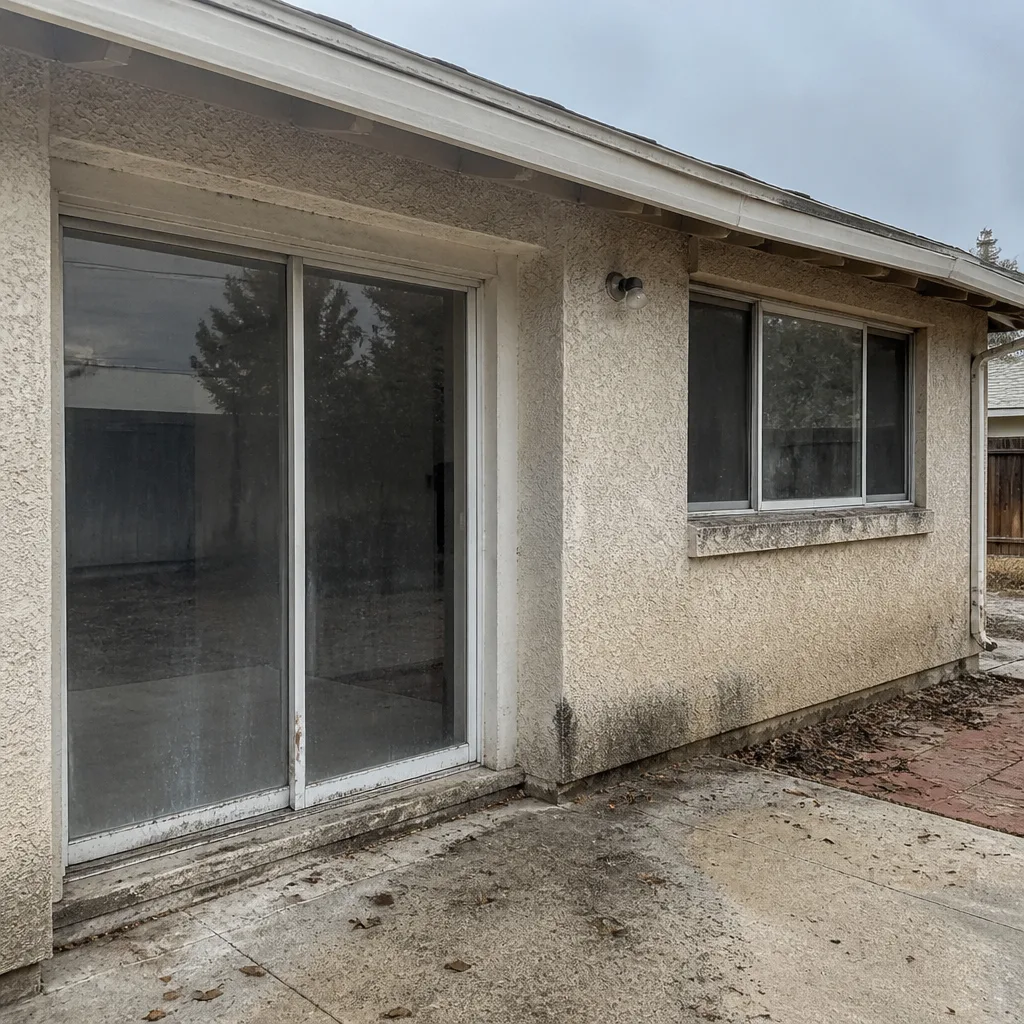 Before
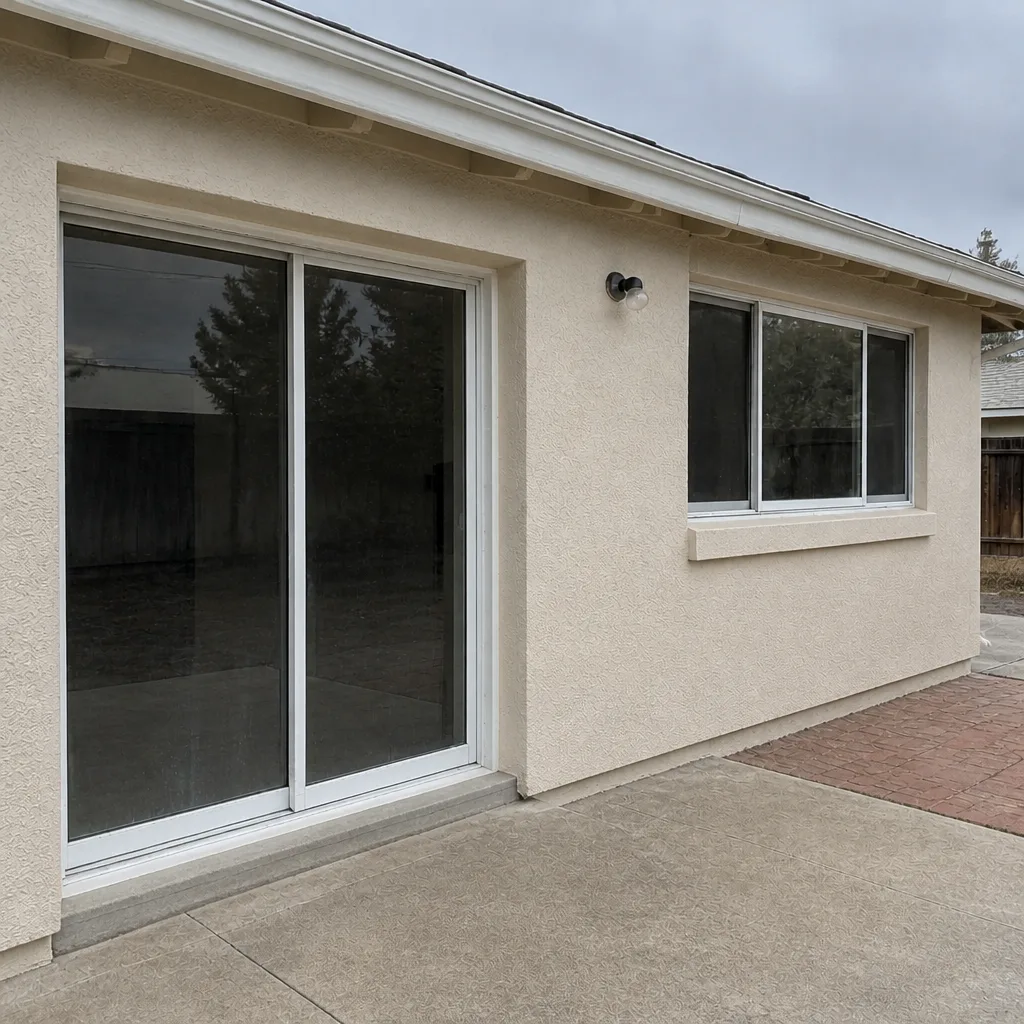 After
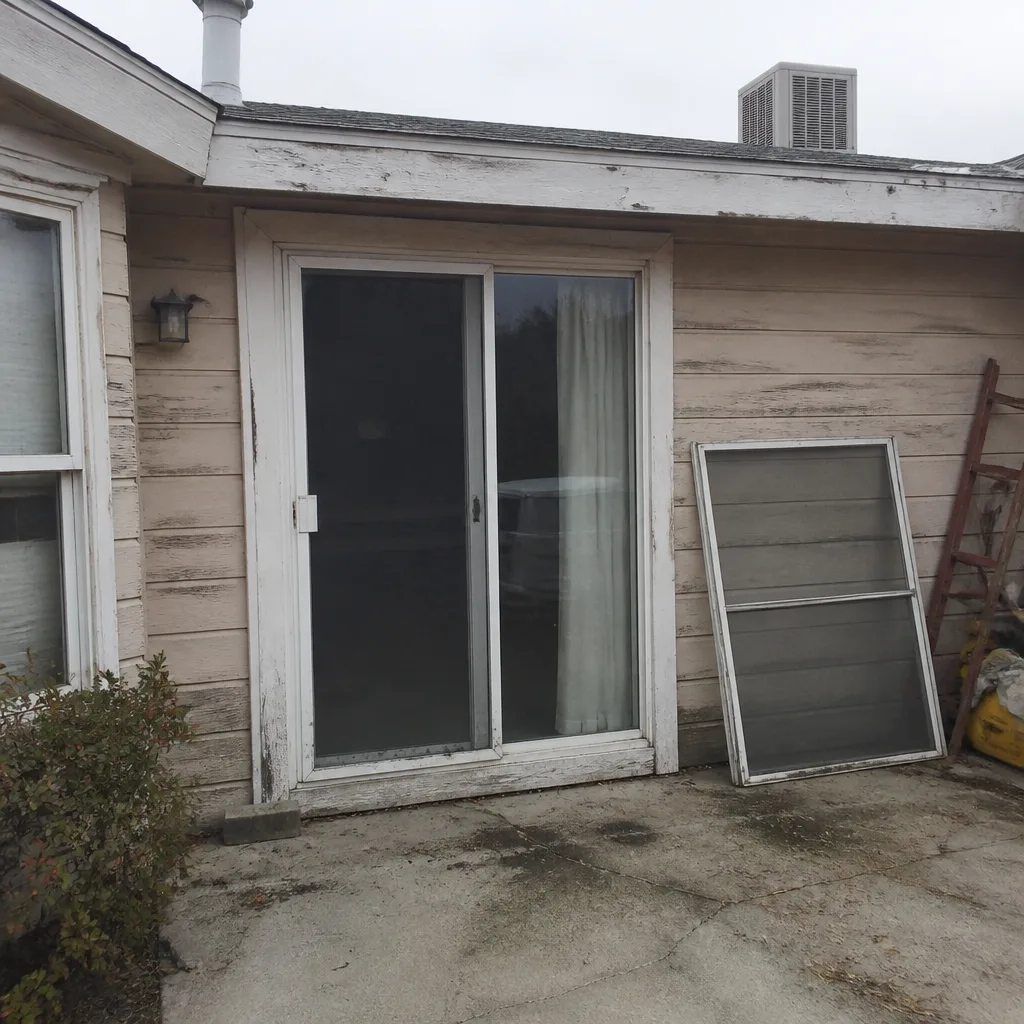 Before
 After
 Before
 After
When to Call a Professional
Call a professional when you see two or more of the warning signs together, when frame corners are separating, when a door has confirmed warp, or when you can’t tell which problem you’re looking at. Fogging on one window in a set of forty is a different decision than fogging on a whole wall. Separated corners and interior water stains point at intrusion, and that’s a problem worth an assessment before the next storm season, not after. And if you’re weighing replacement, having an expert walk the openings with you is how you choose the right product instead of guessing.
Spring Valley Windows & Doors offers free estimates in Spring Valley. Call (833) 549-7716. We answer 24/7. Fast dispatch from 7am to 7pm, Sunday through Friday. Our technicians have up to 10 years of experience, and estimates are free and set in writing per job.
Frequently Asked Questions
Start with the frame. If the frame is solid and the fogging is isolated to one unit, replacing the insulated glass unit is often the answer; if the frame is compromised or other windows in the set are fogging too, full replacement usually makes more sense. Check the warranty paperwork first, since a failed seal is sometimes a manufacturer claim. Call (833) 549-7716 for an assessment; estimates are free.
It’s not an emergency, but it’s not something to force. On casements and sliders, resistance usually means hardware, rollers, or weatherstripping, and those are straightforward repairs. The problem is that forcing it damages the mechanism and turns a small fix into a bigger one. Get it looked at before it fails completely.
That depends on your exposure and your home’s needs, and the right answer varies. What matters is choosing impact-rated products for the openings where storm and wind exposure calls for them, which is why we carry impact-rated lines like PGT and CGI alongside energy-focused lines like ECO Window Systems and ES Windows. We match the product to your home, not to our inventory. Call for a free estimate and a straight recommendation.
That depends on the sign. Fogging gives you time; separated frame corners and door warp should move faster, because water intrusion behind a frame is what turns a window problem into a wall problem. The value of catching signs early is that you choose the timing and the product instead of reacting. Call (833) 549-7716 for a free estimate.
Because of the thermal cycle. Cool nights and hot afternoons work the slab, and the sun-facing side expands and contracts at a different rate than the shaded side, which slowly twists the door out of plane. Once that happens, no hinge adjustment fully corrects it. A replacement entry door from a line like Therma-Tru is built to hold its shape through that cycle far better.
They can, if the existing windows are failing. Fogged units have lost insulating value, so replacing them restores performance you had been paying for. The right energy-focused product for your home and exposure makes the most of that. We’ll walk you through the options across the brands we carry. Call (833) 549-7716; estimates are free.
The Bottom Line
The warning signs that matter most are the quiet ones. Fogged glass, a cracked corner weld, a door that’s twisted slightly out of plane, a window that needs two hands instead of one. None of them require an immediate call, and that’s exactly the point: they give you two or three years of notice, which is enough time to plan, budget, and choose the right product rather than the only one available in an emergency. In Spring Valley’s climate, that notice comes with a shorter clock, which makes the twice-yearly walkthrough worth the ten minutes. If you’d rather have the openings assessed, Spring Valley Windows & Doors works across the Spring Valley area and can walk your home with you.
Call (833) 549-7716 for a free estimate. We answer 24/7. Fast dispatch from 7am to 7pm, Sunday through Friday. One crew. Eight trusted brands. No subcontracting the finish work.
Written by the team at Spring Valley Windows & Doors.