Last updated November 17, 2026
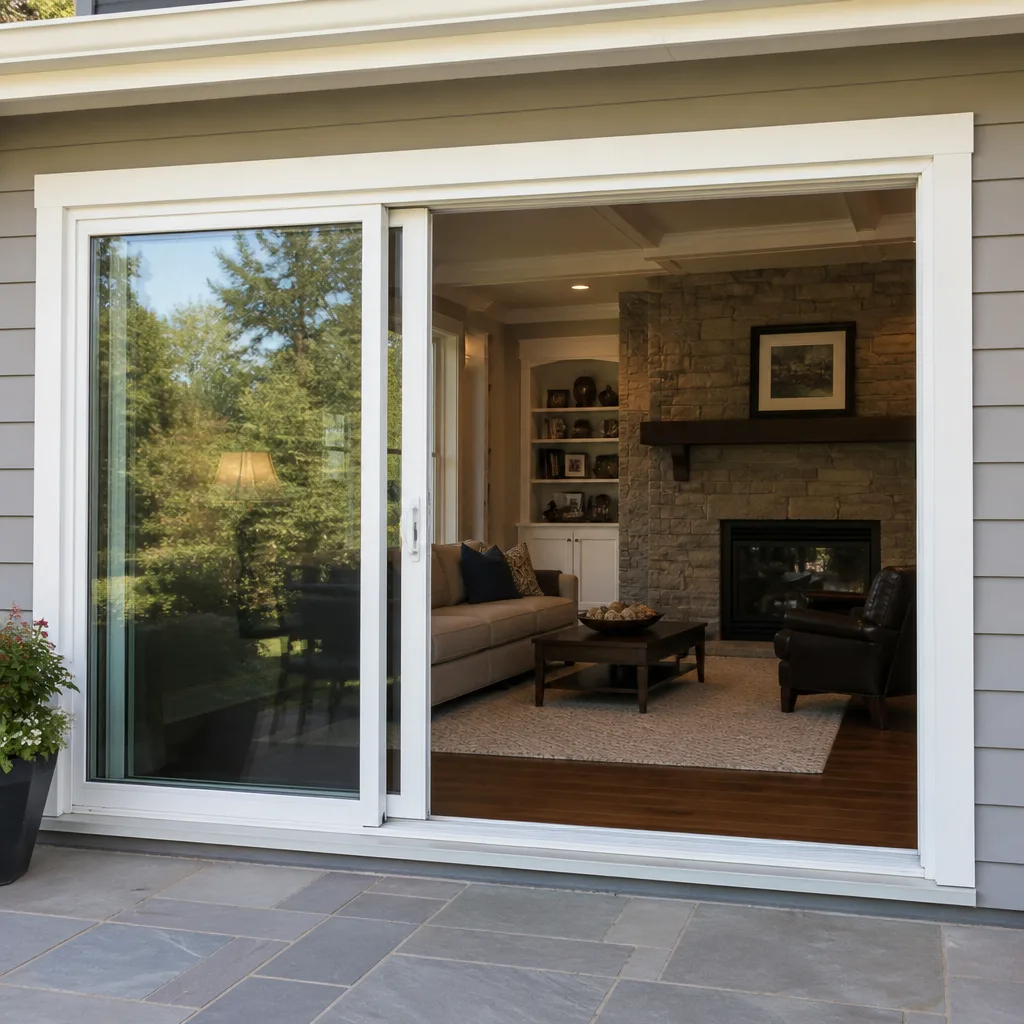 Sliding glass doors
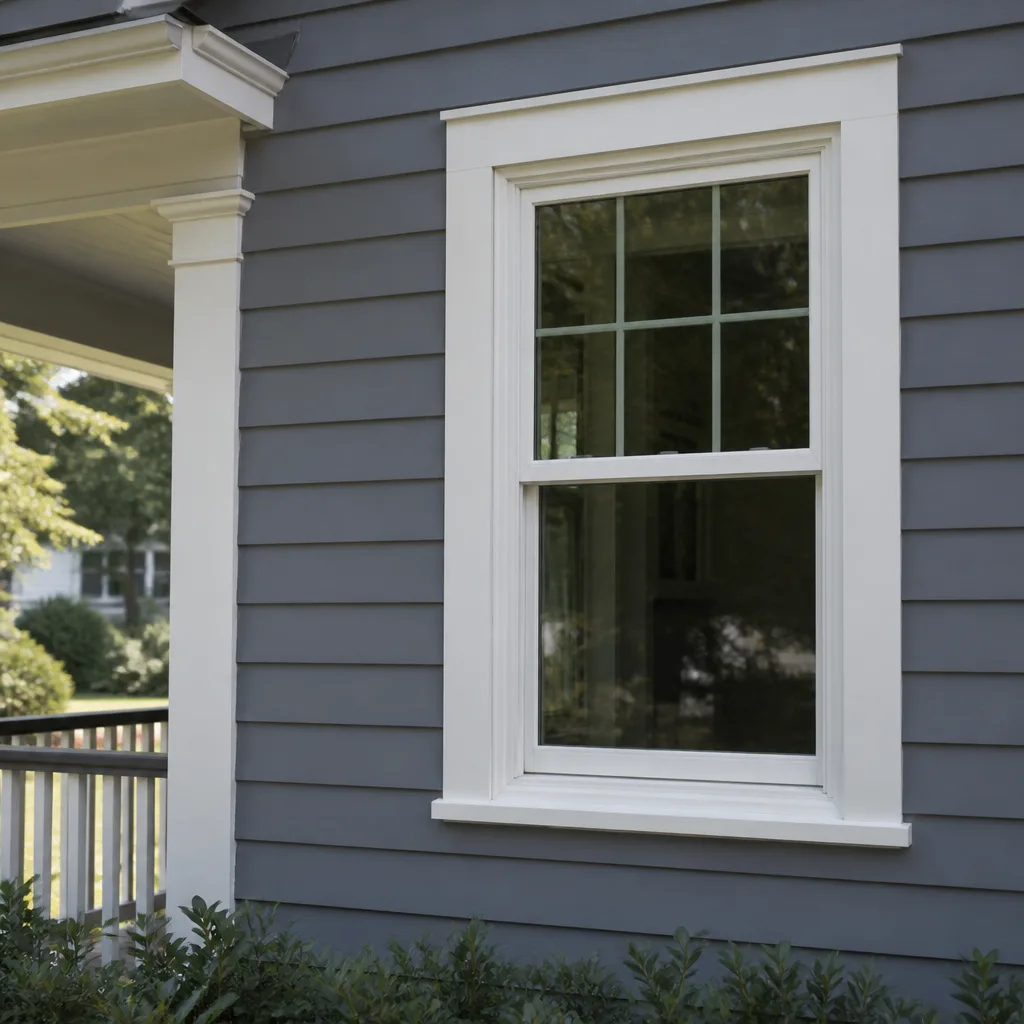 Single hung
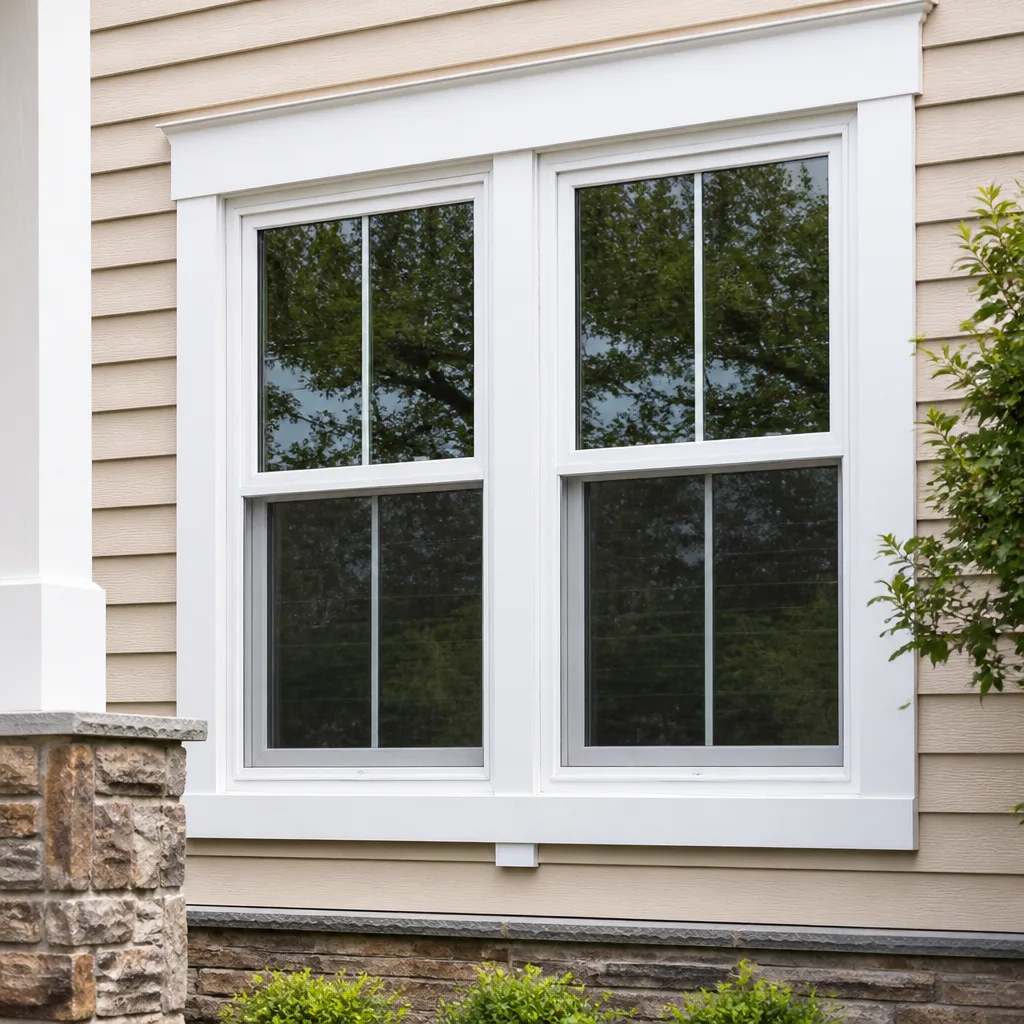 Double hung
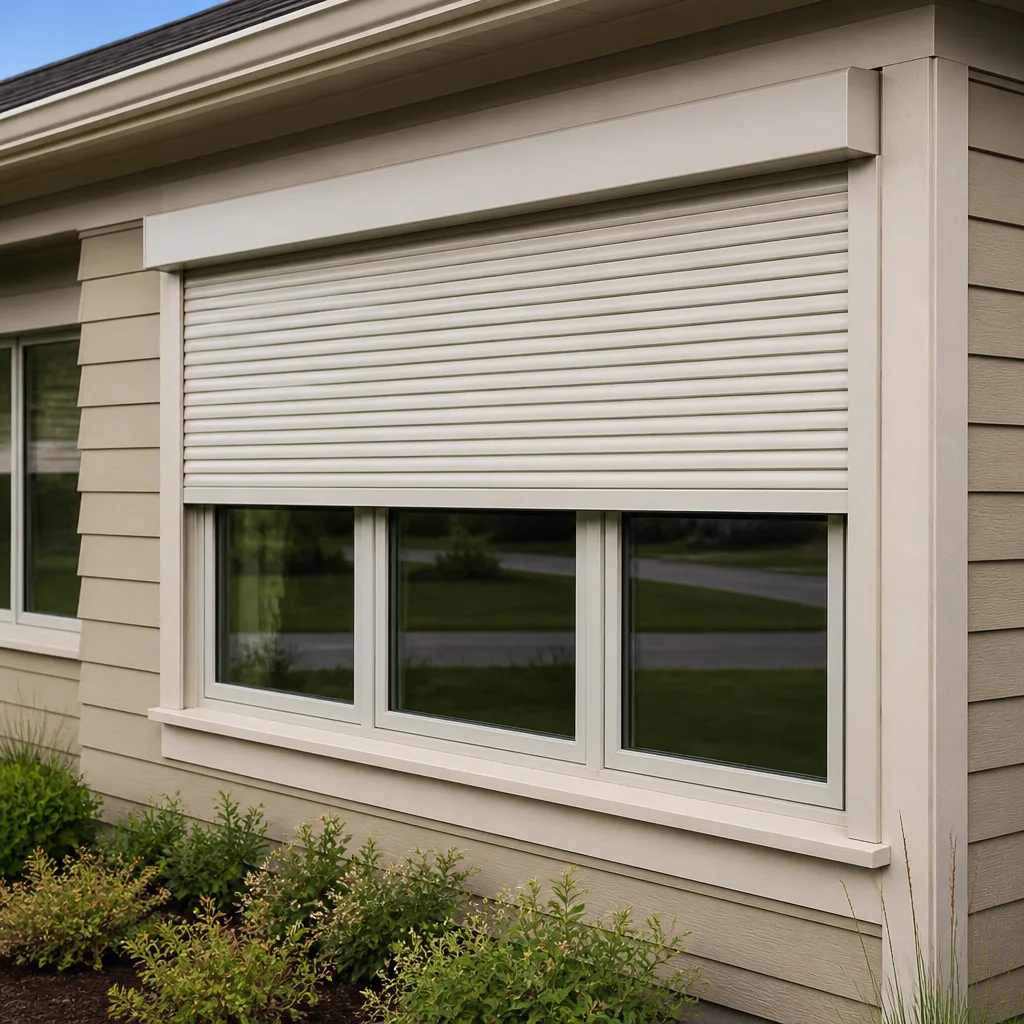 Horizontal roller
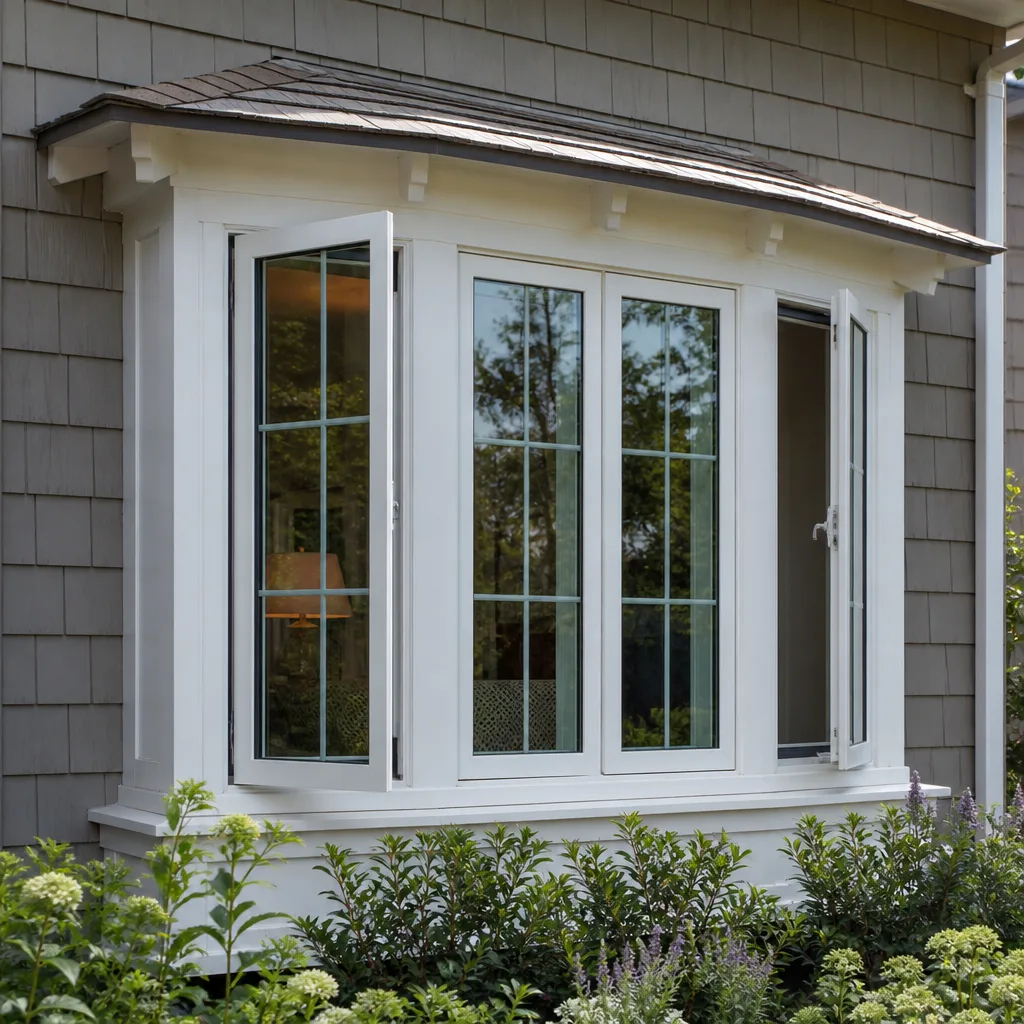 Casement
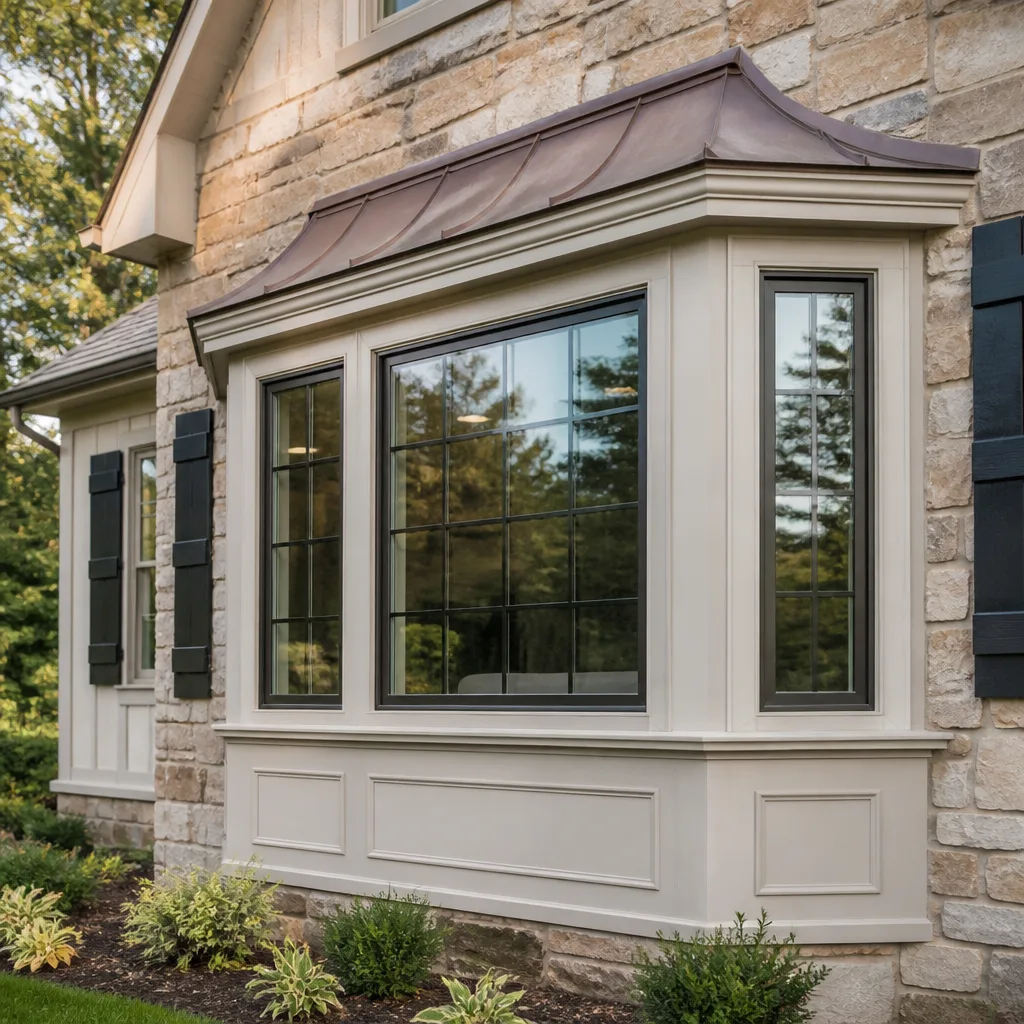 Bay & bow
 Entry doors
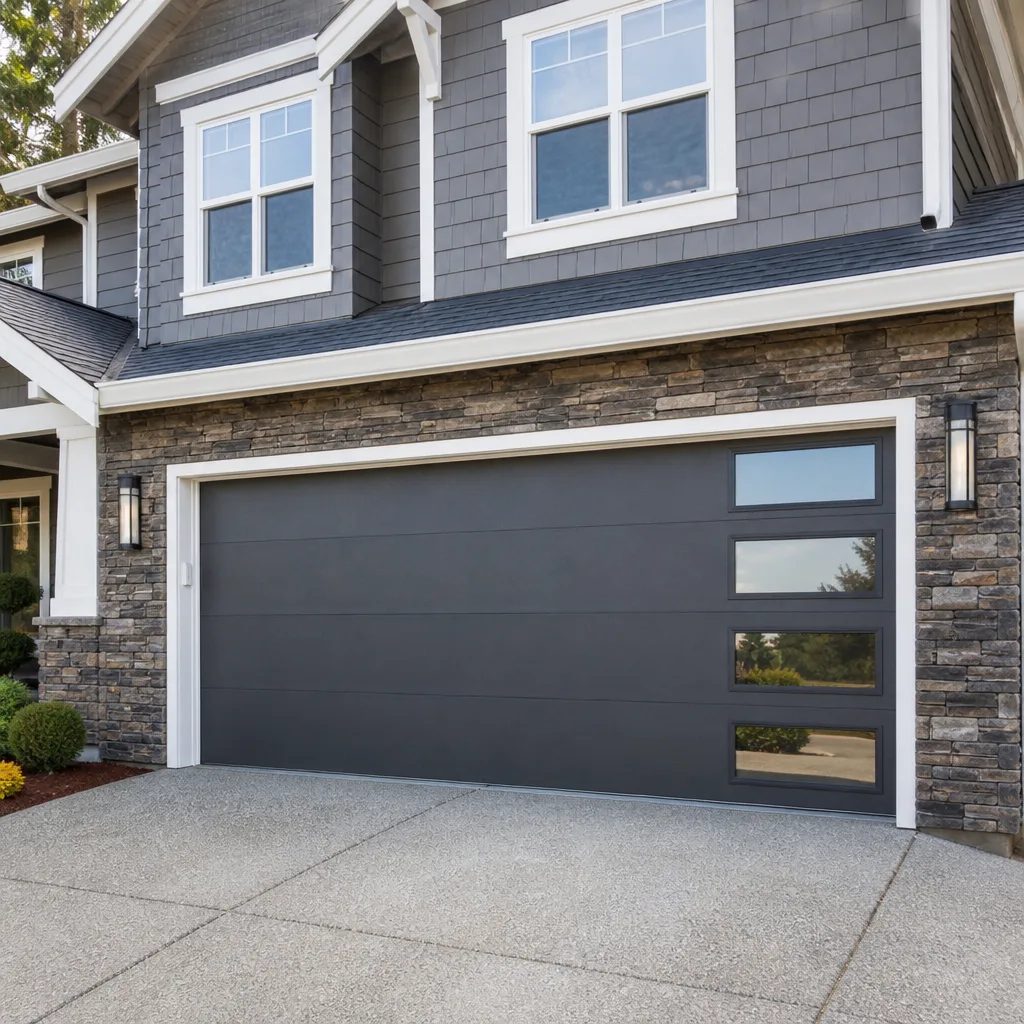 Impact garage doors
 PGT
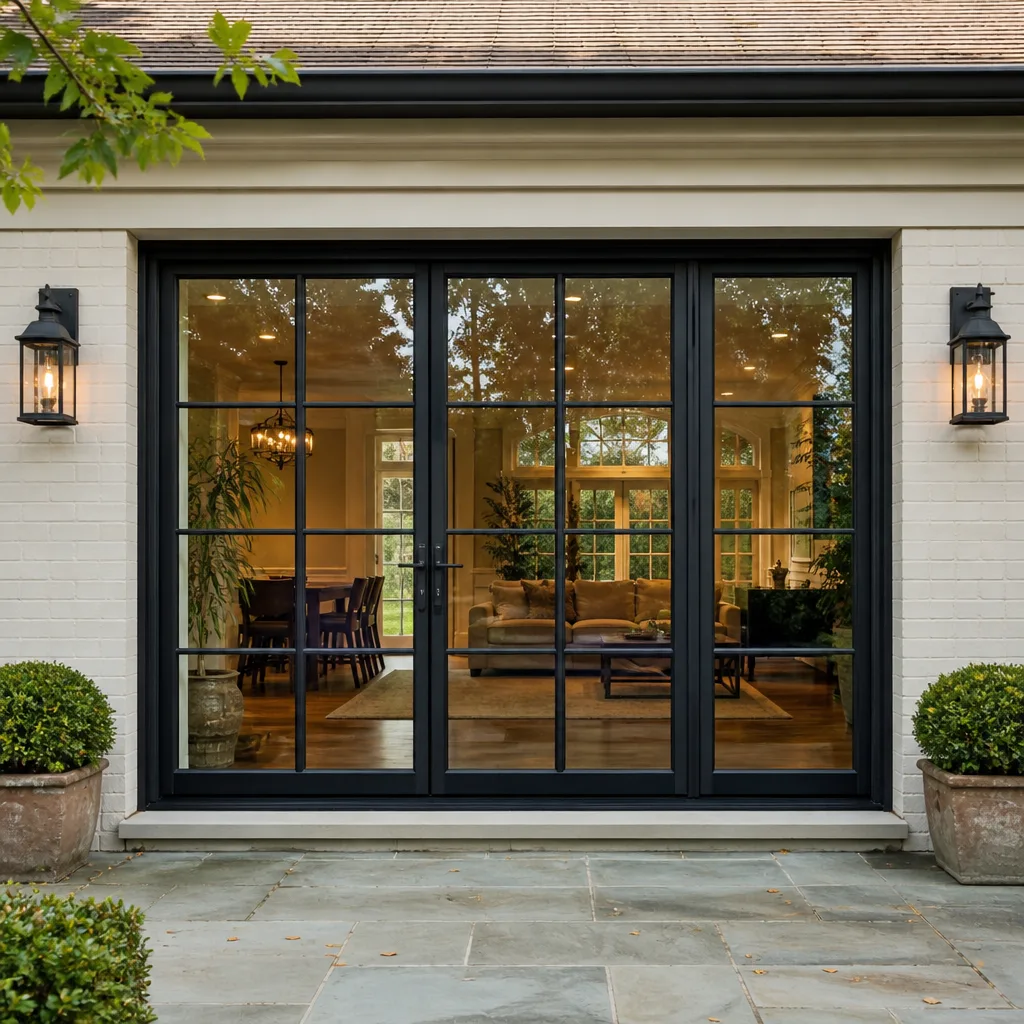 CGI
Free in-home measure and quote - PGT, CGI and CWS impact lines compared on your actual openings, style by style
Get your free estimateWindows & Doors Emergency Preparedness Guide for Spring Valley Homes
Most emergency guides for windows and doors are written for Florida or the Gulf Coast, and they spend their pages on hurricane shutters and storm panels. That guidance does not transfer to Spring Valley. We don’t get named storms here, and the threats that actually compromise openings in this valley are different: monsoon microbursts that arrive with little warning, sustained heat above 115°F that makes vinyl and aluminum frames bind in their tracks, and hardware failures that leave a door or window insecure until it’s fixed. This guide covers what those threats look like, how to prepare before they hit, and what to do in the first hour after something fails. It’s written from the perspective of a company that installs and replaces windows and doors in Spring Valley every week, and it’s meant to be the reference you keep rather than skim.
Quick Answer
Spring Valley window and door emergencies come down to four scenarios: wind-driven rain infiltration during monsoon microbursts, heat-related frame binding that traps egress windows, break-in vulnerability after a lock or hinge fails, and broken insulated glass units. Preparation means knowing which of your openings are most exposed, testing egress windows before summer, keeping a basic boarding kit on hand, and having a vetted contractor number saved before you need it. (833) 549-7716 is ours. We answer 24/7.
Styles & brands we work with
- Single hung
- Double hung
- Horizontal roller
- Casement
- Bay & bow
- Sliding glass doors
- Entry doors
- Impact garage doors
- PGT
- CGI
Table of Contents
- Monsoon Microburst Preparation for Windows and Doors
- Heat Emergency Egress: When Frames Bind at 115°F
- Post-Break-In Temporary Security for Doors and Windows
- Glass Breakage Response: Handling a Failed Insulated Glass Unit
- Emergency Contractor Vetting in Clark County
- The Spring Valley Window and Door Emergency Kit
- Common Mistakes to Avoid
- When to Call a Professional
Monsoon Microburst Preparation for Windows and Doors
Monsoon season in Southern Nevada runs roughly from June through September, and the storms that matter are not the long soaking rains you see elsewhere. They’re short, intense cells that drop a lot of water in twenty minutes and push it sideways. When Clark County records wind gusts strong enough to breach single-pane glass and lift older sliding door panels out of their tracks, the failure mode is almost always water forced past weatherstripping rather than glass shattering. Wind-driven rain finds gaps that a normal rainstorm never tests.
Some openings are more vulnerable than others, and it’s worth walking your home before the season starts to identify them:
- West- and south-facing windows. Monsoon cells typically track in from those directions in Spring Valley, so those elevations see the most direct wind-driven rain.
- Older single-pane windows. Weatherstripping on aging units compresses and hardens, and the gap that opens up is exactly where water gets pushed through.
- Sliding glass doors, especially older tracks. The track is a channel. If the weep holes are clogged with dust and debris, water backs up and spills into the interior instead of draining outside.
- Windows with failed or missing caulk joints. Caulk on stucco exteriors, which is most of Spring Valley, can pull away from the frame over time and leave a direct path for water.
- Any opening with a damaged screen or torn weather seal. A screen isn’t waterproof, but a torn one lets debris into the track and worsens drainage problems.
Temporary mitigation is straightforward and worth doing the week before monsoon season: clear every sliding door track and window weep hole, check that caulk lines are intact, and keep a few absorbent towels and a wet-vac accessible if you know a specific opening has leaked before. If a window or door has leaked repeatedly through multiple seasons, the fix is a replacement, not another round of caulk. Impact-rated lines like PGT and CGI are built for exactly this kind of wind and water load, and we can walk you through which product fits your home’s exposure.
Heat Emergency Egress: When Frames Bind at 115°F
This is the emergency scenario most Spring Valley homeowners have never thought about. When temperatures climb above 115°F, vinyl and aluminum window frames expand. A casement window that opened easily in April can become nearly impossible to crank open in July. The same goes for sliding windows and doors, which ride in tracks that also expand and can bind against the frame. That matters because every bedroom in a home needs a functioning emergency egress opening, and a window that won’t open is not an egress window no matter what the plan says.
Heat binding is a mechanical problem, not a sign that the window is broken. The most common causes are:
- Thermal expansion of the frame or sash. This is the primary cause during extreme heat events, and it typically resolves when temperatures drop.
- Dirt and grit in the track. Expansion makes even small amounts of debris enough to jam a slider.
- Failed or dry rollers on sliding units. Rollers degrade over time, and the added friction from expansion finishes them off.
- Swollen or warped weatherstripping. Heat can soften the seal, and it can stick to the sash.
- Loose or misaligned hinges on casements. Expansion puts stress on hardware that was already loose.
Prevention is a seasonal check. Before summer, open and close every egress window in the house at least a few times, clear the tracks, and note any that stick. If a window was sticking last summer, it will stick worse this summer. Lubricating tracks and checking roller function on sliding units is a reasonable homeowner task. Repairing or replacing hinges, cranks and rollers on a window that’s become an egress failure is not something to improvise, because the hardware has to hold under real load in an emergency. Our technicians have up to 10 years of experience diagnosing exactly this kind of thermal binding, and we can tell you whether it’s a maintenance issue or whether the window needs replacement.
Post-Break-In Temporary Security for Doors and Windows
When a door or window is forced open, the immediate problem is that the opening no longer secures the home. The longer problem is the wait: Clark County emergency response can take time, especially on a busy night, and a compromised opening stays compromised until it’s physically secured. Doing that well means the opening holds long enough for a proper repair or replacement, without causing more damage to the frame than the break-in already did.
Here’s the sequence that works:
- Confirm the interior is safe before you start securing anything. If there’s any reason to think someone is still inside, leave and call law enforcement from outside.
- Don’t try to force a damaged door back into its frame. If the jamb, strike plate or lock is torn out, forcing the door closed will splinter more of the frame and can make the door impossible to repair.
- Board the opening from the inside where possible. A piece of plywood cut slightly larger than the opening and screwed into the studs around the frame is more secure than a board screwed into the damaged jamb. Screws into framing, not into the window or door frame itself.
- For a compromised sliding door, use a wooden dowel or a metal bar in the interior track as a secondary layer, and board the exterior if access allows.
- Photograph everything before you board. Your insurer will want images of the damage, and the photos also help the contractor assess what’s reusable.
- Call a vetted contractor to assess the opening. A door that has been forced is often repairable with a new jamb and hardware, but the assessment has to happen before the temporary board becomes permanent.
If the compromised door is a front entry, this is when a replacement decision usually gets made. Therma-Tru entry systems are built for the durability and security a front door needs to carry, and we install them as part of our door installation work. Ask us why we recommend one entry system over another and we’ll give you a straight answer, because we carry several lines and don’t have a reason to push one.
Glass Breakage Response: Handling a Failed Insulated Glass Unit
Insulated glass units fail differently from single-pane windows, and the difference matters for safety and for what happens next. An IGU is two panes sealed with a desiccant-filled spacer between them. When the outer pane breaks, the inner pane often stays intact and continues to hold the opening. When the inner pane breaks, you’re dealing with broken glass on the interior side, and the fragments can be small and sharp. When the seal fails without a break, you get fogging between the panes, which isn’t an emergency but is a sign the unit needs replacement.
Here’s what to check before you touch anything:
- Which pane failed. Exterior-only breakage is safer to leave in place temporarily. Interior breakage means you need to secure the opening and keep people and pets out of the room until the glass is removed.
- Whether the frame is still square. A frame that’s been bent, twisted or torn from the wall will need to be replaced along with the glass. A frame that’s intact can usually take a new IGU.
- Whether the frame is a standard size. Custom-sized frames take longer to order glass for, so temporary boarding is the right call until the unit arrives.
- Whether the breakage is only in the glass or extends to the sash. A cracked sash means the whole unit has to come out.
- Whether the home is a rental. Notify the owner before any repair work begins.
Don’t try to remove a broken IGU yourself unless you have gloves, eye protection and a way to contain the glass safely. The pieces are sharp, the desiccant can be an irritant, and there’s a real risk of a larger pane dropping. Mr-Glass is one of the brands in our portfolio and is often the right fit for straightforward glass replacement where only the IGU needs to come out.
Emergency Contractor Vetting in Clark County
Storm-chasers follow storms, and monsoon season brings them into the valley. Emergency window and door work is one of the easiest places for an unlicensed operator to make money, because the homeowner is under pressure and wants the opening secure fast. The problem is that work done by an unlicensed contractor often can’t be permitted, and a window or door installed without proper permitting and inspection can create problems at resale or when you file an insurance claim.
Here’s how to verify a 24-hour glass and boarding service is legitimate:
- Ask for the contractor’s license number and search it in the Nevada State Contractors Board database. Legitimate contractors won’t hesitate, and the database will show active status and the license classification.
- Ask for a certificate of insurance. General liability and workers’ comp should both be in force for any contractor working on your home. A real operation will email it before or at the time of the estimate.
- Ask whether the work will be permitted. Structural window and door replacements in Clark County generally require a permit, and a legitimate contractor will tell you this without hesitation. A contractor who tells you a permit isn’t needed for full replacement work is a red flag.
- Ask for a written scope of work and a written estimate. Emergency boarding can be done quickly with a handshake, but anything beyond temporary boarding should come with a written estimate that sets the price.
- Look for a local business presence. An address, a phone that answers, and a website that isn’t a template built for storm-chasing are all indicators.
- Be wary of anyone who pressures you to sign a contract the same night. Emergency work happens now; the permanent repair decision can wait until the morning.
We answer 24/7, and we can walk you through the vetting questions for any other contractor you’re considering. If you’re comparing us against another company, ask them the same questions and compare the answers. That’s the whole test.
The Spring Valley Window and Door Emergency Kit
A small, pre-assembled kit handles most of the first hour of a window or door emergency, and it costs far less than the damage that comes from improvising. These are the items we suggest every Spring Valley homeowner keep on hand.
- One or two pieces of ⅝-inch plywood cut to sizes that fit your largest windows and doors. Measure and cut them in advance, because you won’t want to do it in the dark.
- Wood screws long enough to reach framing. Two inches is usually right, but measure your wall assembly first.
- A cordless drill with a charged battery. Keep the battery on the charger when the drill isn’t in use.
- A roll of heavy-duty weatherproof tape. For sealing a compromised opening on the exterior side, where boards can’t be installed.
- Absorbent towels and a wet-vac. Water intrusion from a monsoon storm needs to be dealt with before it reaches drywall.
- A wooden dowel or metal bar cut to fit your sliding door tracks.
- Flashlights and a spare battery. Storms take out power in Spring Valley just like they do everywhere else.
- Your insurance policy number and a phone number for your agent.
The kit doesn’t need to be elaborate. What matters is that it’s assembled before a storm arrives, in a place you can get to without going outside, and that every adult in the house knows where it is.
Why Window and Door Brands Matter in an Emergency
Not every window or door performs the same way under stress, and the differences are usually invisible until the stress hits. Wind-driven rain finds the weakest weatherstripping. Heat finds the frames with the least tolerance built into their expansion design. Break-in attempts find the doors with the weakest hardware and the thinnest jamb construction. When you’re choosing an opening for a Spring Valley home, the brand and product line matter because they define the baseline of what that opening can take.
We carry eight lines: PGT, CGI, CWS, ES Windows, ECO Window Systems, Mr-Glass, Therma-Tru and ViewLux. Four of them, PGT, CGI, ES Windows and ECO Window Systems, are impact-rated, which means they’re engineered for wind load and wind-driven rain rather than simply being sturdier versions of standard windows. Two of them, ES Windows and ECO Window Systems, focus specifically on energy performance, which matters in a climate where summer heat drives both cooling costs and frame expansion. Therma-Tru covers entry-door durability, and ViewLux and CWS round out the decorative and standard-replacement categories.
Our point in naming specific brands is not that one is universally better. It’s that having eight lines under one contractor means the recommendation follows the home’s exposure, not the dealer’s inventory. We match the product to your home, not to our inventory. Ask us why we recommend one brand over another and you’ll get a straight answer about which line fits your specific window or door, which elevation, and which threat you’re preparing for.
Common Mistakes to Avoid
- Caulking a leak instead of identifying its cause. If a window has leaked more than once, the water is getting in through a joint that needs to be repaired or a sealant line that has failed. Another bead of caulk will hide the problem until the next monsoon, when it gets worse.
- Ignoring a window that stuck last summer. Heat binding gets progressively worse. A window that was stiff in July will likely be a genuine egress failure by the following July, and the time to address it is in the cooler months, not during a heat emergency.
- Boarding a broken window from the outside only. Exterior boarding is faster, but it leaves the interior exposed to wind-driven water if the storm is still active. Boarding from the inside with the exterior taped is the safer sequence.
- Screwing plywood into the window frame. Screws driven into the sash or frame can crack the glass or tear up the frame when you remove the board. Screws go into the studs around the opening.
- Hiring whoever shows up first in a storm. Storm-chasers know the response times and target the neighborhoods most affected. The vetting questions in this guide take ten minutes and can save you far more than that.
- Skipping the permit on a “quick” replacement. A window or door replaced without a permit can create headaches at resale and may be excluded from insurance coverage if it fails later. Permits are pulled and inspections passed for every project we install, and that should be true of any contractor you hire.
- Treating a failed IGU as a minor cosmetic issue. Fogging between panes means the seal has failed, and that unit is no longer providing the insulation you paid for. Left alone, it can contribute to condensation and moisture problems inside the wall.
- Forgetting to check egress paths during a heat event. When temperatures climb, every bedroom window should still be operable. Test them before the heat, not during it.
When to Call a Professional
Some window and door problems are maintenance. Some are emergencies that should not be handled by anyone but a trained installer, and the dividing line matters. If any glass unit has failed and the interior pane is compromised, call. If a door has been forced and the jamb or strike plate is torn, call. If a monsoon storm has pushed water inside and you suspect the wall cavity has absorbed moisture, call before you start seeing mold. If a heat event has left a designated egress window stuck and you can’t free it with normal pressure, call. If a casement’s crank hardware has failed, or a sliding door’s rollers have given up, that’s a repair, not a DIY project, because the hardware has to hold under load.
Spring Valley Windows & Doors offers free estimates in Spring Valley, with written line-item quotes and fixed pricing with no change orders. Call (833) 549-7716. We answer 24/7. Fast dispatch from 7am to 7pm, Sunday through Friday. If you’re not in an active emergency, we’re happy to look at window replacement options while we’re there, so the fix you do now is also the fix you want long term.
See the difference
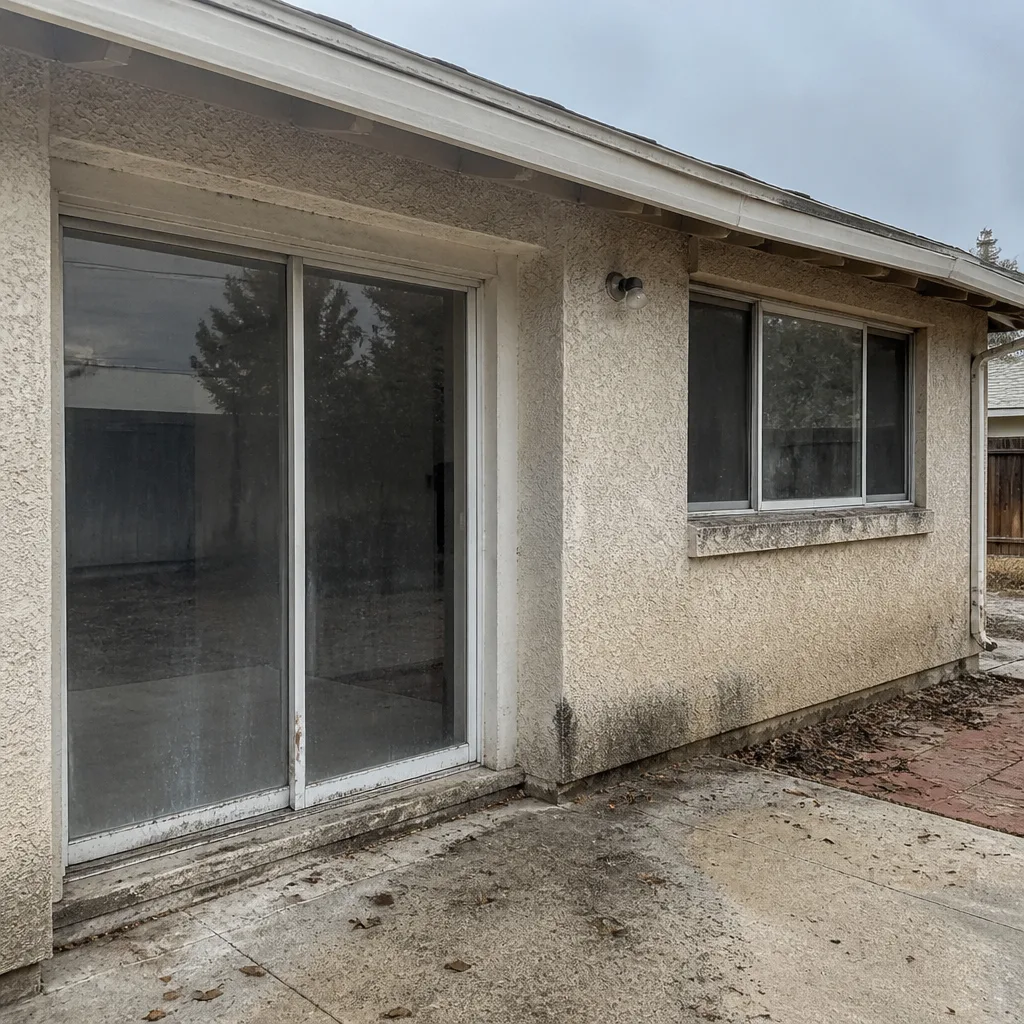 Before
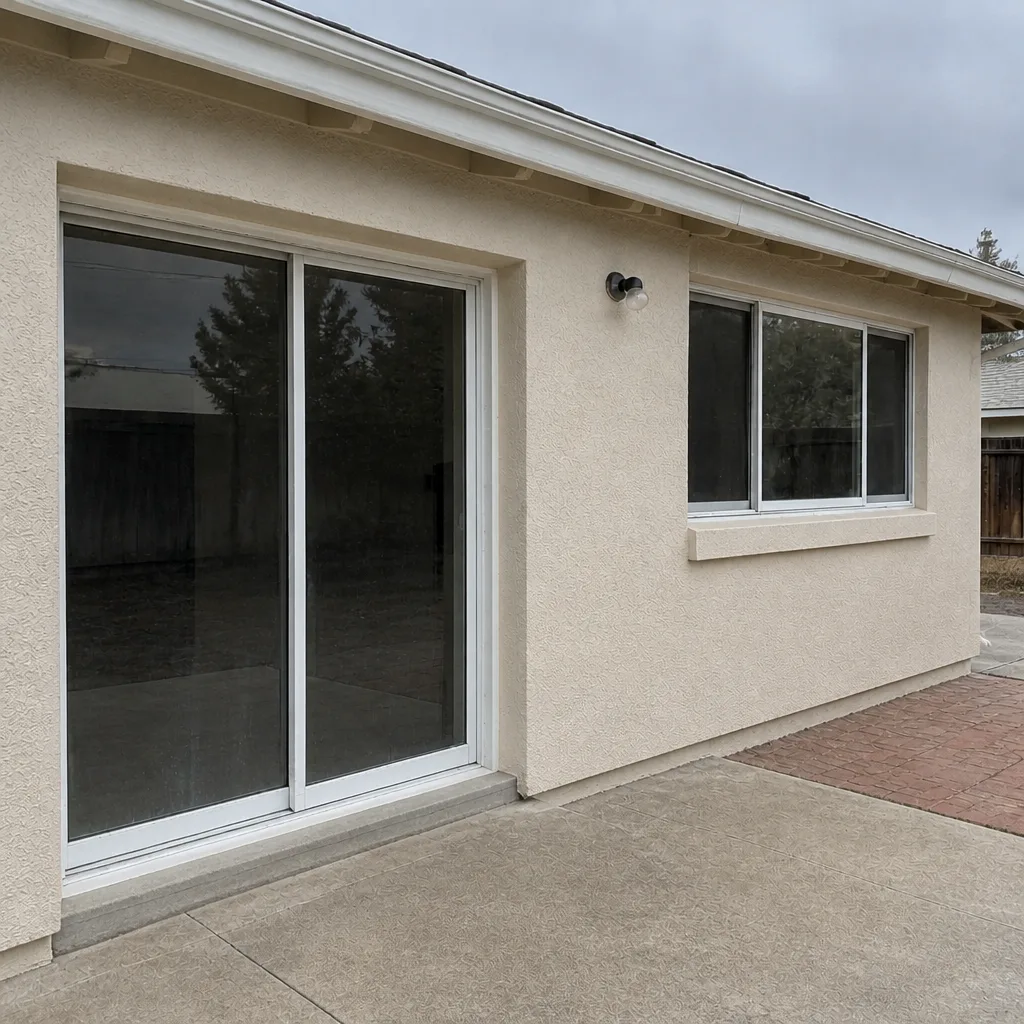 After
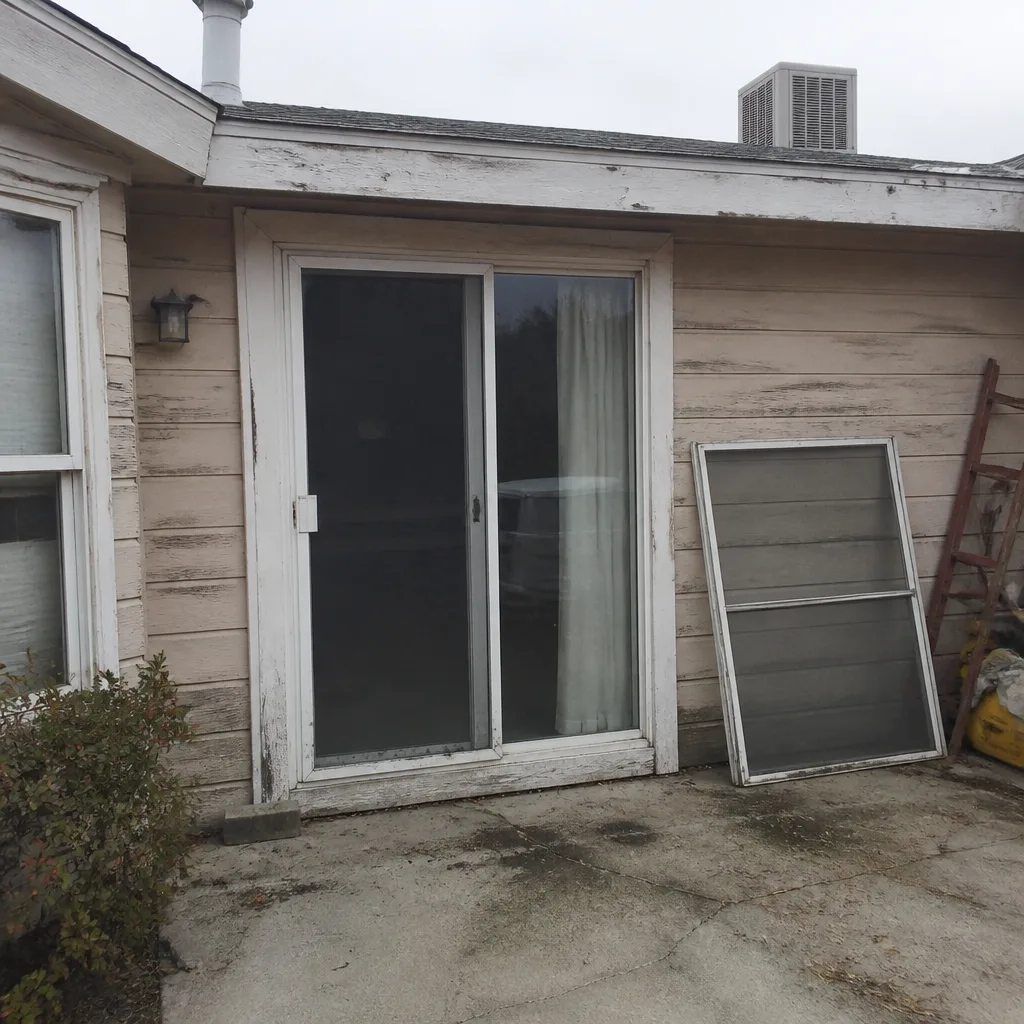 Before
 After
 Before
 After
Frequently Asked Questions
Heat-related frame binding is the most common, followed by monsoon wind-driven water intrusion. Both are climate-specific and rare in other regions, and both are preventable with a pre-season check.
Most structural window and door replacements require a permit in Clark County. The exact requirements depend on the scope, so confirm with the county building department before work starts, or ask your contractor to confirm in writing. We pull permits and pass inspections on every installation.
If the window opens freely in cooler weather and binds only in extreme heat, it’s thermal expansion, not a broken window. If it binds year-round or the crank slips under load, the hardware is failing and needs service.
Standard-size IGUs are usually quick to source, while custom-sized or brand-specific glass takes longer. The exact timing depends on the window’s brand and dimensions, and a written estimate will tell you what to expect. Call (833) 549-7716 for a free assessment.
Yes, in most cases. Emergency boarding secures the opening the same day, and the permanent repair or replacement is scheduled based on the scope. Call (833) 549-7716 and we’ll walk through what’s needed.
Impact-rated windows aren’t required for every home here, but they perform measurably better during monsoon wind events. PGT, CGI, ES Windows and ECO Window Systems all offer impact-rated lines, and we can tell you whether your exposure justifies the upgrade.
Ask for the Nevada State Contractors Board license number and check it, ask for a certificate of insurance, and ask whether the permanent work will be permitted. A legitimate contractor answers all three without hesitation.
Confirm everyone in the room is safe, keep people away from the broken glass, board the opening from the inside with a pre-cut piece of plywood screwed into the studs, and photograph the damage for your insurer. Then call a vetted contractor.
The Bottom Line
Window and door emergencies in Spring Valley are monsoon, heat and security events, not the hurricane scenarios most guides describe. Preparation comes down to four things: a pre-season check of every window and door before monsoon and again before summer heat, a small emergency kit with pre-cut plywood and a charged drill, a solid understanding of which openings in your home are the most exposed, and a vetted contractor number saved before you need it. When a break does happen, board it from the inside, photograph the damage, call a licensed contractor, and don’t let a storm-chaser talk you into a permanent repair before you’ve had a chance to compare bids. If you want a professional opinion on your specific windows and doors, start with our Spring Valley Windows & Doors team. Call (833) 549-7716 for a free estimate. We answer 24/7.
Contact Us for a Free Estimate
If any of the scenarios in this guide sounds like something your home is set up for badly, the fix usually isn’t complicated. It’s a walk-through, a written estimate with line-item pricing, and a clear answer about which product fits your home’s exposure. We handle window installation for new openings and additions as well as full replacements, and we do it as a single accountable scope from the frame to the threshold. If you live in Spring Valley, call us at (833) 549-7716. We answer 24/7. Fast dispatch from 7am to 7pm, Sunday through Friday.
Written by the team at Spring Valley Windows & Doors.